Walmart faces early inventory surge as retailers rush imports ahead of tariffs
Ports were on pace for a July cargo record as retailers rushed imports ahead of tariffs, a shift that can crowd Walmart backrooms and speed up floor resets.

U.S. major container ports were on track for an all-time import record in July as retailers pulled merchandise forward ahead of expected tariff increases, setting up a freight wave that can land first in Walmart’s receiving bays and stockrooms.
The National Retail Federation forecast July 8 that the nation’s major container ports would hit a new record this month. Jonathan Gold, the group’s vice president for supply chain and customs policy, said, “This year’s early peak season is expected to continue through July” as retailers and other importers prepared for higher tariffs beginning in August and for other trade uncertainties.
Cargo imports at major container ports rose 15% to 2.24 million Twenty-Foot Equivalent Units in May in the National Retail Federation’s data. Trade factors such as lean inventories, fuel-cost adjustments and back-to-school demand were also part of the push, but the tariff clock was the big driver.
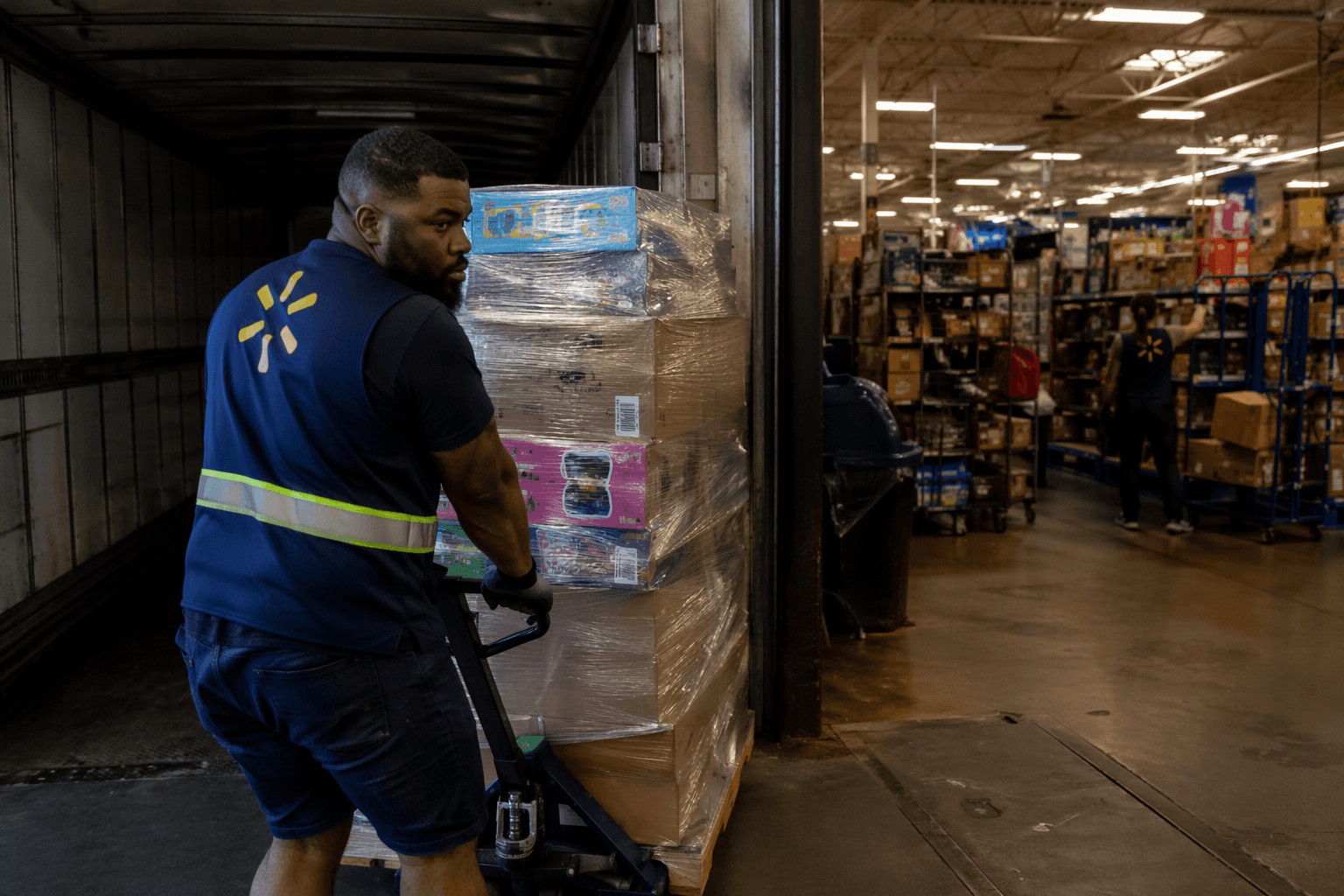
For Walmart stores and clubs, that kind of timing changes the work before shoppers ever see a pallet on the sales floor. A heavier-than-normal inbound wave can tighten backroom space, slow down staging, and force associates in receiving and replenishment to work through freight faster than planned. It can also pull seasonal merchandise forward, which means department managers may have to reset aisles earlier, move displays sooner, and keep endcaps rotating to make room for inventory that arrives ahead of the usual schedule.
Walmart has made supply-chain timing central to the business. On May 26, the company’s Prepaid Consolidation program was designed to get products to shelves and customers faster by simplifying inbound supplier logistics and building a more connected, scalable supply chain. In its May 2025 earnings materials, tariff and trade policies were among the factors that could materially affect results, and Doug McMillon said the company was trying to stay flexible in a “dynamic operating environment.”
Tariff pressure is not evenly distributed across the basket. Higher duties on Costa Rica, Peru and Colombia were pressuring imported items such as bananas, avocados, coffee and roses, while cost pressure on some general merchandise items would not be allowed to spill into food pricing. Walmart’s latest annual report materials put its workforce at 2.1 million associates.
This article was produced by Prism’s automated news system from verified source data, official records, and press releases, then run through automated quality and moderation checks before publishing. The system is built and supervised by the people who set the standards it runs under. Read our full AI policy.
Did this article answer your question?