Walmart faces more selective shoppers as gas prices squeeze spending
Higher gas prices are pushing Walmart shoppers toward basics, tightening pressure on shelves, substitutions and staffing as the company warns costs may rise.

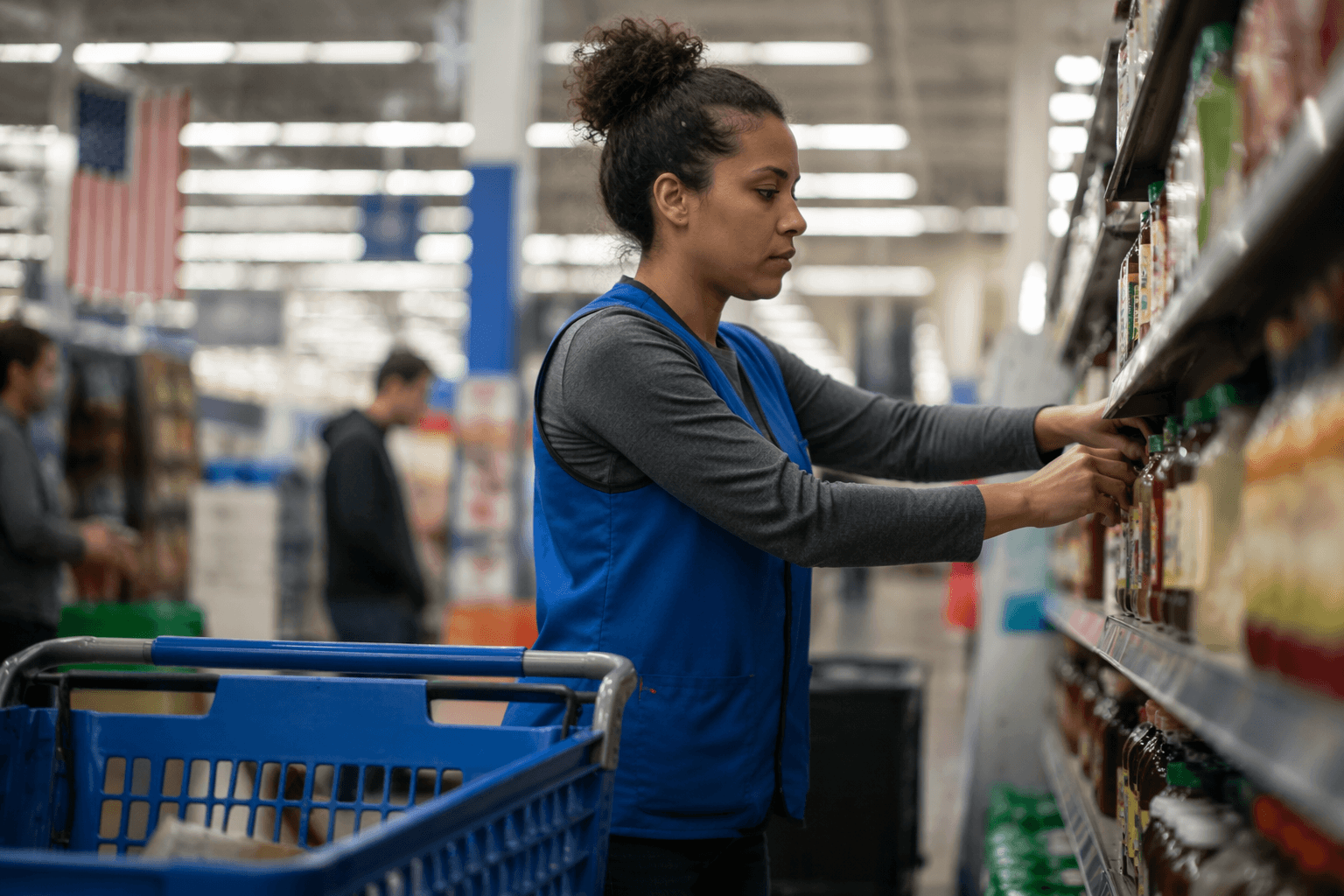
Walmart store teams are likely to feel the squeeze first in the aisles where essentials move fastest. As gas prices climb, shoppers are becoming more selective, buying groceries and household staples while trimming back on discretionary items, a shift that can mean heavier pressure on replenishment, clearer price signage and more substitution questions at checkout and in pickup.
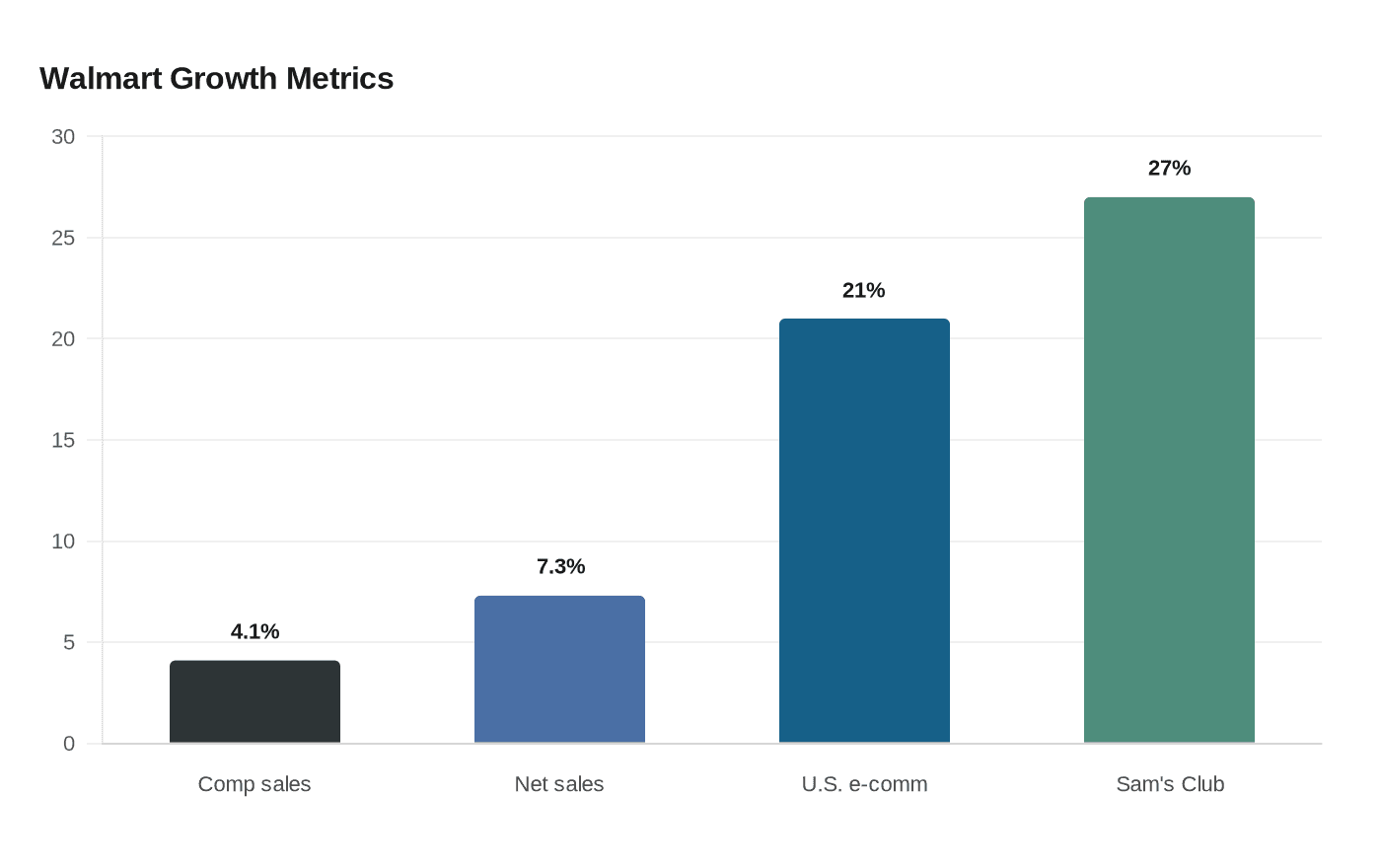
The company’s latest quarter showed Walmart still drawing traffic. U.S. comparable sales rose 4.1% excluding fuel, and net sales increased 7.3% to $177.8 billion in the first quarter of fiscal 2027. Even so, Walmart has warned that rising fuel costs are squeezing the business and could force higher prices in the months ahead, a reminder that fuel inflation can hit both customer spending and store economics at the same time.
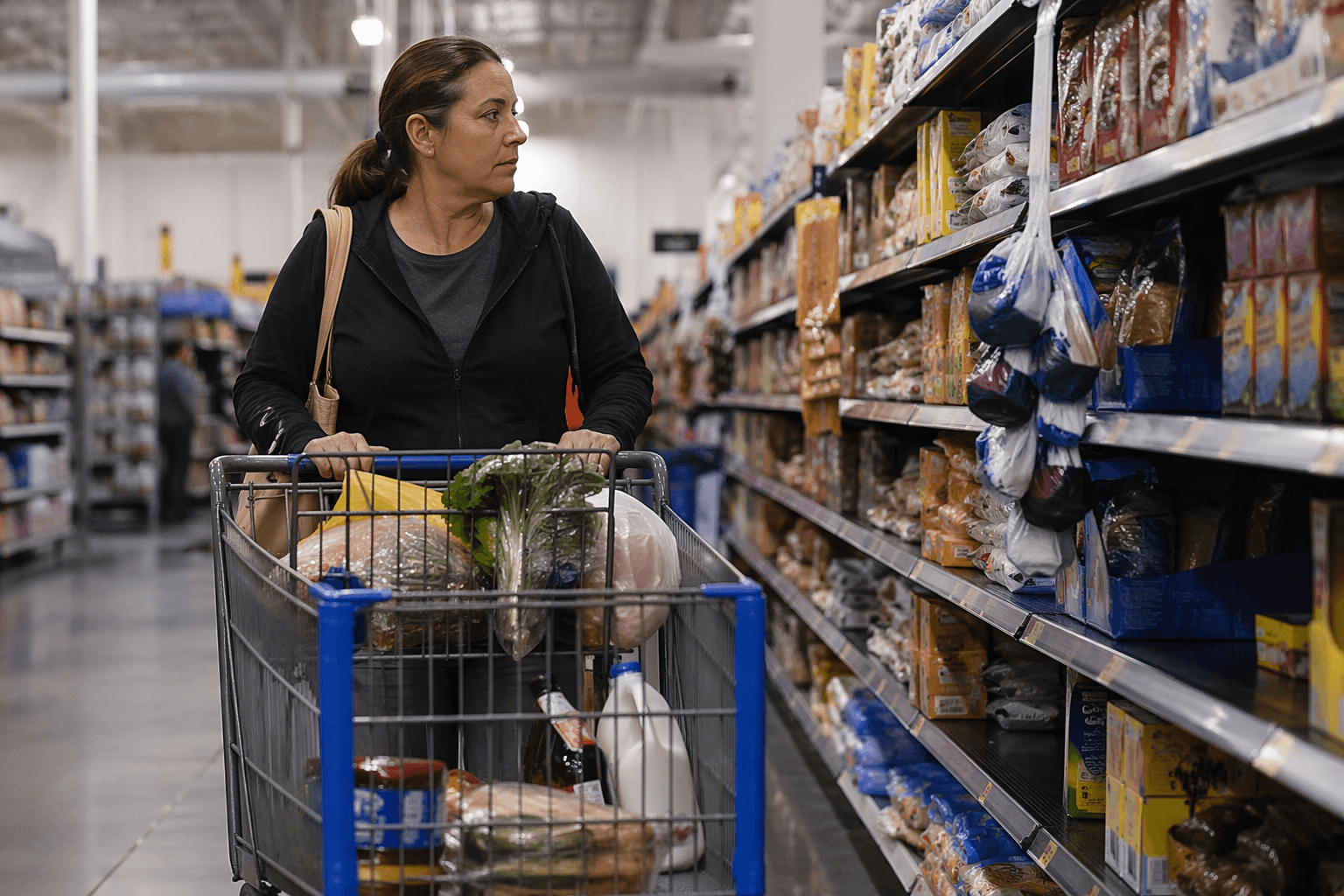
For hourly associates and department managers, the practical effect is a more value-driven customer base. When households feel pressure at the pump, they tend to compare prices more closely, move down to private-label and lower-cost options, and expect the shelf to be full on pantry goods, dairy, paper products and other basics. That puts more weight on freight, zoning and endcap execution, while slower-moving discretionary departments can soften. Managers watching labor plans may also see stronger pressure to shift coverage toward peak shopping windows, curbside orders and customer service on price and availability.
Walmart chief executive John Furner tied the trend directly to household budgets during the company’s annual shareholders’ week in Bentonville, Arkansas. He said high gas prices are a “stress point” and that low-income consumers are under greater pressure. That warning lines up with the broader mood around U.S. shoppers: The Conference Board said consumer confidence fell in May to 93.1 after three straight monthly gains, as inflation fears and Middle East conflict concerns weighed on sentiment.
The company has still been leaning on its value proposition and digital business. Last year’s first-quarter update showed U.S. e-commerce sales up 21% and Sam’s Club U.S. e-commerce up 27%, and Walmart said its digital platforms are helping improve mix. If fuel stays elevated into back-to-school and the holiday season, store work could tilt even further toward essentials, substitutions and keeping prices visible where stressed shoppers are looking first.
This article was produced by Prism’s automated news system from verified source data, official records, and press releases, then run through automated quality and moderation checks before publishing. The system is built and supervised by the people who set the standards it runs under. Read our full AI policy.
Did this article answer your question?