Walmart faces supply chain labor gap as AI reshapes warehouse work
Accenture sees a 1.1 million-worker supply chain gap by 2035, while Walmart is training hourly staff for faster paths into logistics and AI-heavy jobs.
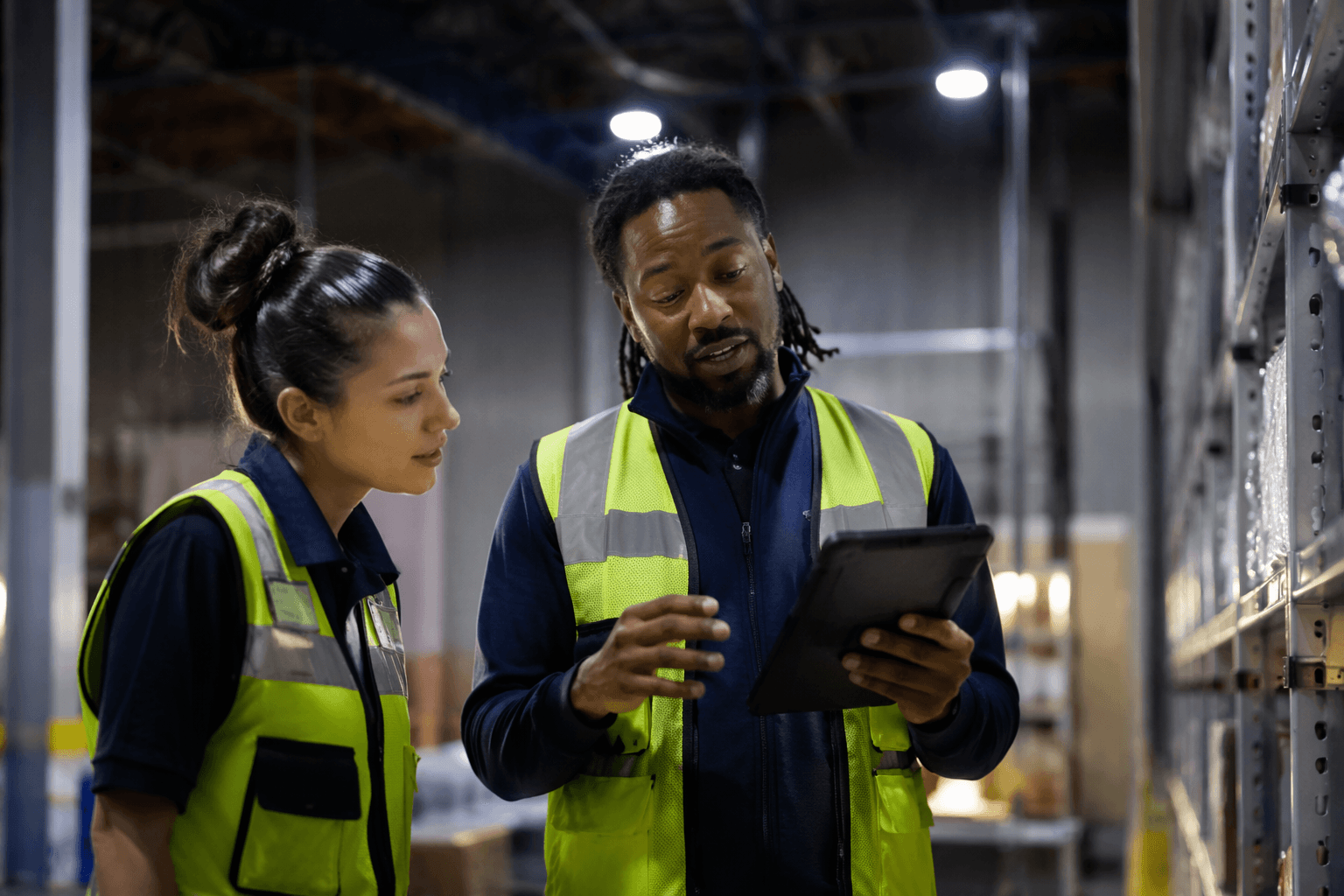
Accenture said core U.S. supply chain occupations will need 1.34 million more workers by 2035, while the labor force is expected to add only about 221,000 people for those jobs. For Walmart, that gap lands right on the functions that keep stores stocked: warehouse work, transportation, replenishment and the managers who have to keep those flows moving.
The company’s modeling shows why the pressure is not just about headcount. In a high-adoption scenario, Accenture said 75% use of agentic AI, autonomous vehicles, drones and exoskeletons, plus 50% use of IoT and sensor networks, could turn a projected 1.1 million-role shortfall into a surplus of about 360,000 workers. In that case, projected workforce demand growth would compress from plus 18.7% to roughly minus 3.0% across 2026 to 2035, and all 331 tasks studied would be touched by at least one technology. The message for warehouse associates and transportation teams is that the job mix is changing fast enough that leaders will have to redesign roles instead of simply adding more labor to the same process.
Walmart has already started building its own answer around internal mobility. The company says about 75% of its U.S. salaried store, club and supply-chain managers started as hourly associates, and U.S. associates reach their first promotion in about nine months on average. Walmart has said it will invest nearly $1 billion in skills training through 2026, a bet on moving more workers into jobs with more responsibility and higher pay rather than relying only on outside hiring.
That shift is also showing up in training. Walmart said in 2024 that by 2025 all store, club and supply chain managers would go through updated Manager Academy training. In 2025, the company said associates across stores, supply chain and tech would get free AI certifications through a Walmart Academy and OpenAI collaboration. Walmart has also said real-time AI and automation are already live in supply-chain operations in Costa Rica, Mexico and Canada, where the tools are being used to predict demand, reroute inventory, reduce waste and simplify work for associates.

For hourly workers, that points to a narrower question than whether machines will replace people: whether Walmart uses the technology shift to open more supply-chain career lanes from the sales floor and backroom, or to demand broader cross-training, tighter scheduling and more flexibility from a workforce that is already under pressure.
This article was produced by Prism’s automated news system from verified source data, official records, and press releases, then run through automated quality and moderation checks before publishing. The system is built and supervised by the people who set the standards it runs under. Read our full AI policy.
Did this article answer your question?