Walmart, General Mills and ADM expand regenerative wheat acres in Midwest
Walmart, General Mills and ADM are bringing regenerative practices to 40,000 Midwest wheat acres, aiming to steady ingredients for store shelves and Sam’s Club.

Walmart, General Mills and ADM expanded their regenerative agriculture push across 40,000 Midwest wheat acres in Illinois, Indiana and Missouri, focusing on wheat that flows into products sold through Walmart and Sam’s Club. American Farmland Trust and Ducks Unlimited are providing technical assistance on the initial projects, which the companies say are meant to improve soil health, water quality and carbon sequestration.
The July 15 move builds on a General Mills-Walmart commitment announced in October 2023 to advance regenerative agriculture across 600,000 shared acres by 2030. The companies say more than 560,000 wheat acres are already underway in that broader program, while ADM says it manages nearly 5 million regenerative acres globally and is a key wheat supplier in the effort.
For Walmart’s supply chain, the point is not abstract sustainability branding. Wheat sits inside a long, ordinary chain that touches procurement, distribution centers, back rooms and shelves, and the companies are betting that healthier soil and more resilient farm practices can make that chain more dependable over time. That matters for bread, cereal and other wheat-based products, where ingredient stability can influence replenishment, inventory planning and how often associates have to deal with out-of-stocks during busy periods.
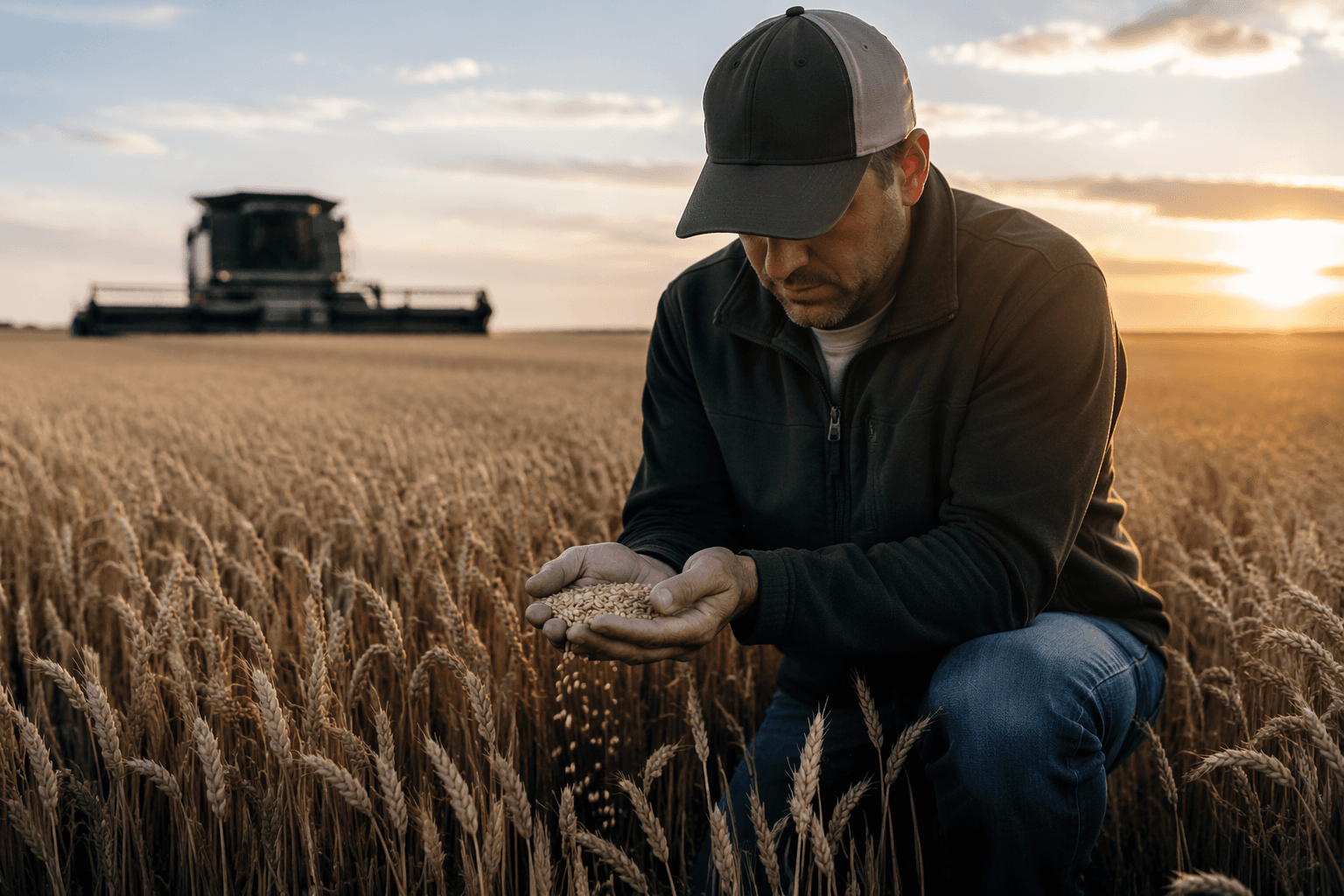
Walmart has already tied that logic to its wider environmental targets. The company and the Walmart Foundation have set a goal to help protect, more sustainably manage or restore at least 50 million acres of land and 1 million square miles of ocean by 2030. In 2021, Walmart also said it wanted 30 million acres in the Midwest to use practices that support soil health, greenhouse gases, water quality and use, biodiversity and farmer livelihoods.
General Mills said the Walmart partnership puts it on pace to advance regenerative agriculture on 1 million acres by 2030. The company has also used support from the National Fish and Wildlife Foundation to distribute grants that help farmers adopt regenerative management practices. For managers and department leaders, the practical takeaway is that sustainability is being built into supplier requirements and product narratives at the same time, not treated as a separate corporate message.
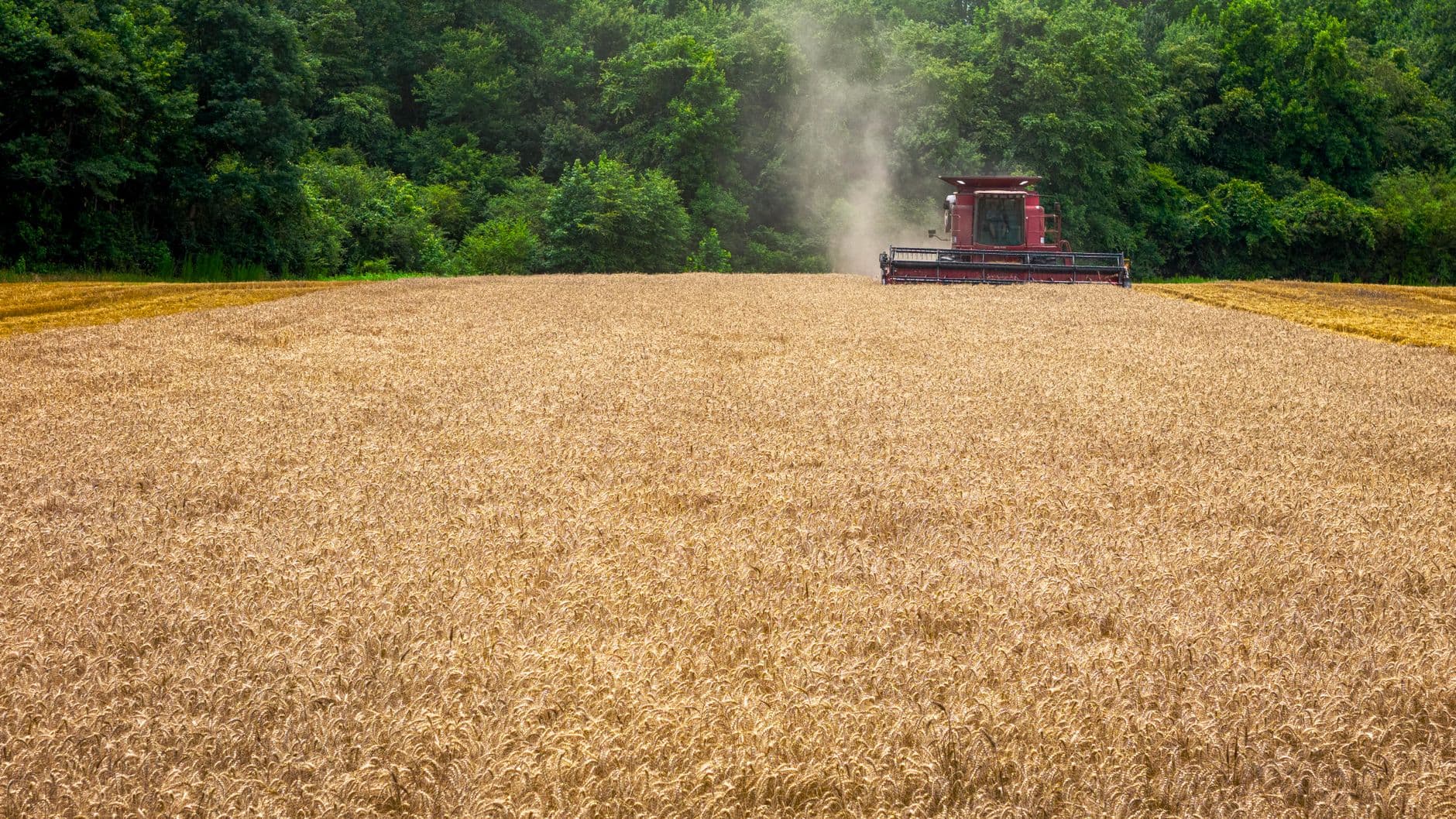
The collaboration also reflects a broader retail shift toward treating farm resilience as an operating issue. If the wheat supply becomes more stable, Walmart has a better shot at protecting price competitiveness, keeping assortments steadier and reducing the kind of supply volatility that ripples down to store teams when demand surges.
This article was produced by Prism’s automated news system from verified source data, official records, and press releases, then run through automated quality and moderation checks before publishing. The system is built and supervised by the people who set the standards it runs under. Read our full AI policy.
Did this article answer your question?

