Walmart Global Tech shows how AI is reshaping store work
Walmart’s AI push is reaching handhelds, inventory systems and customer apps. The payoff could be faster work, but it also raises the bar for troubleshooting and coaching.
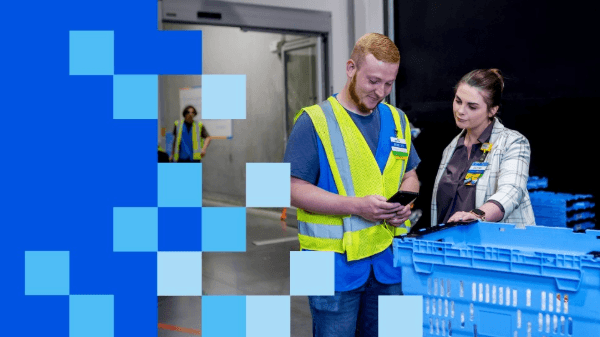
On June 24, 2025, Walmart said it was unveiling new AI-powered tools designed to empower 1.5 million associates in the U.S. Walmart Global Tech is the public window into that shift, tying store operations, supply chain flow and digital customer service into one operating model. For hourly associates and managers, AI is becoming part of daily retail work.
What Walmart Global Tech says about the company’s direction
Walmart Global Tech describes itself as “people-led and tech-powered” and says it uses technology to improve how people shop and empower its 2.1 million associates. Its LinkedIn overview places the organization in Bentonville, Arkansas and lists 10,001+ employees. It is a large technology operation with direct influence over how stores run.
Walmart’s June 24, 2025 announcement made clear that those AI tools were aimed at associates, not just corporate users. A separate July 17, 2025 announcement said Walmart’s U.S. supply-chain playbook was going global, reinforcing that the same systems shaping American stores are being positioned for wider use.
How the tools show up in store work
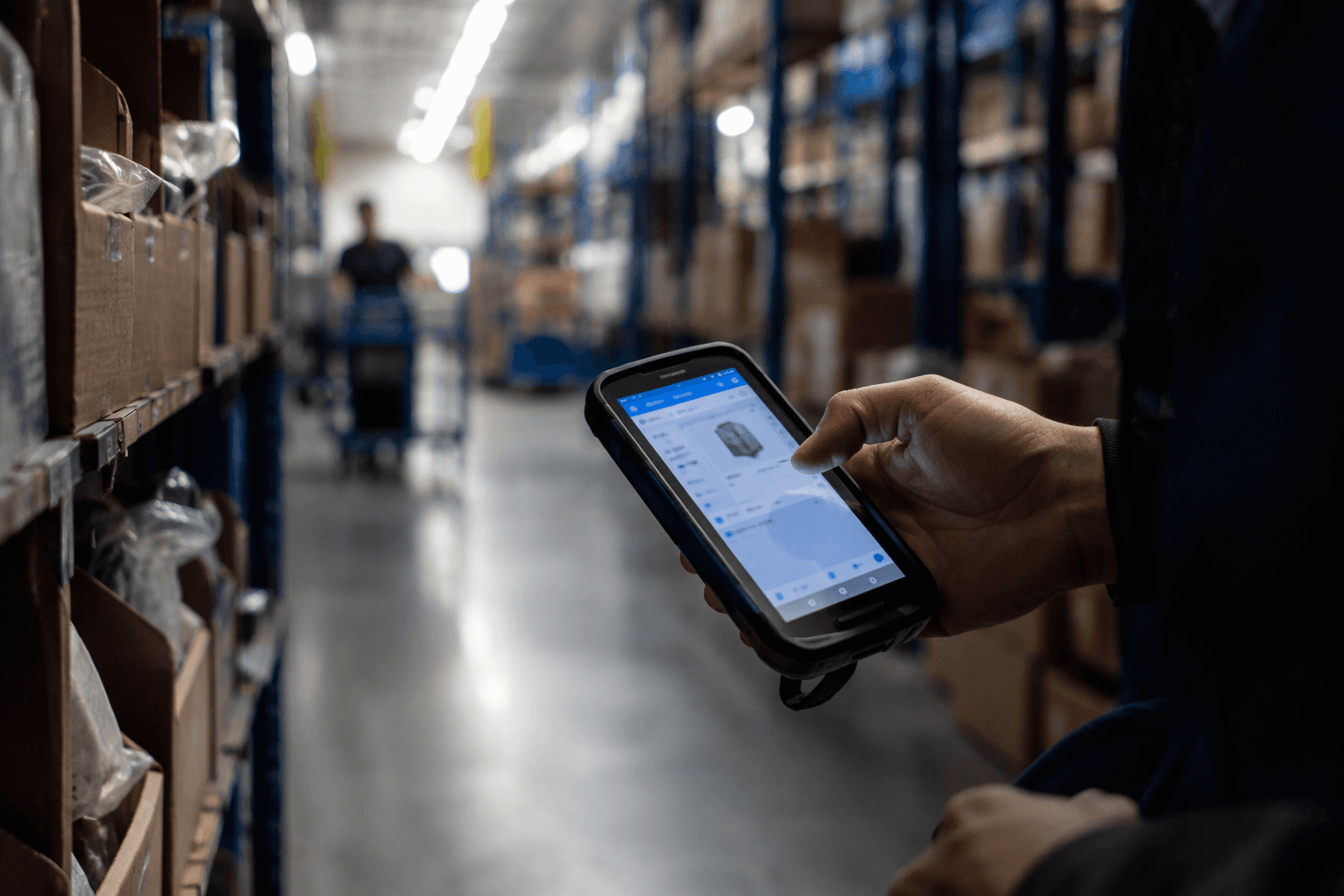
For hourly associates, the most visible changes usually land in the tools used every day: handhelds, inventory systems, customer-facing apps, digital signage and checkout technology. When those tools work well, basic tasks can move faster, from locating product to handling customer questions. When they are updated, delayed or broken, the entire workflow can get disrupted, and the fix often falls on the person standing nearest the problem.
Tech literacy now matters on the floor, not just in corporate offices. A worker who understands what a new device or app is supposed to do is better positioned to use it efficiently and spot basic problems before they turn into service issues. One practical example is the real-time translation feature included in Walmart’s new AI tools, which was designed to help associates communicate with customers when language becomes a barrier.
For associates, the shift also changes accountability. If a task moves from manual judgment to a system prompt, scan path or app-based instruction, the expectation shifts too. The job does not become less physical, but it becomes more dependent on following the system correctly and knowing when the system is wrong.
What the shift means for managers on the floor
For department managers and assistant managers, the technology is an operations issue rather than a separate IT function. AI, automation and digital tools affect labor planning, inventory visibility, replenishment and customer experience, which means they can change how teams are staffed and coached. If forecasting improves or routing gets smarter, leaders may see fewer stock surprises, more accurate pick paths and tighter expectations around how fast work should be finished.
A September 3, 2025 Walmart Global Tech Converge session described automation, AI and real-time data as forces reshaping supply chains to meet rising customer expectations. It pointed to intuitive operator tools, predictive algorithms and flexible network designs as drivers of speed, resilience and customer experience.
For store leaders, that kind of language translates into daily pressure points. Better data can mean tighter replenishment and fewer empty shelves, but it can also mean less room for improvisation when the system expects a task to be completed a certain way. In practice, the same tools that reduce guesswork can create new forms of oversight, because performance becomes easier to measure when the workflow is more digital.
Where the opportunity sits for associates who want to move up
The new technology stack also creates openings for workers who want to move into higher-skill roles. Support, operations, analytics and engineering all depend on people who understand both the store floor and the system behind it. In a company as large as Walmart, that hybrid knowledge is valuable because it helps connect the reality of a busy shift with the assumptions built into the software.
Walmart’s June 2025 AI announcement targeted associates directly. The company signaled that workers are supposed to use these tools, not merely live with them. The associates who learn the systems quickly, understand what the tools are meant to solve and can explain friction points clearly will be better positioned as Walmart keeps folding technology deeper into store operations.
This article was produced by Prism’s automated news system from verified source data, official records, and press releases, then run through automated quality and moderation checks before publishing. The system is built and supervised by the people who set the standards it runs under. Read our full AI policy.
Did this article answer your question?