White House tariffs on forced-labor imports could affect Walmart shelves
Tariffs on 60 trading partners could slow replenishment at Walmart, especially in imported goods like apparel, toys and electronics, while associates field more out-of-stock questions.
New tariffs of 10% to 12.5% on goods from 60 trading partners could ripple straight into Walmart’s aisles, even though the White House framed the move as a crackdown on imports tied to forced-labor violations. The duties, announced by the Trump administration, targeted countries including Canada, China and the European Union and were built around the claim that trading partners had not done enough to stop forced-labor goods from entering the U.S.
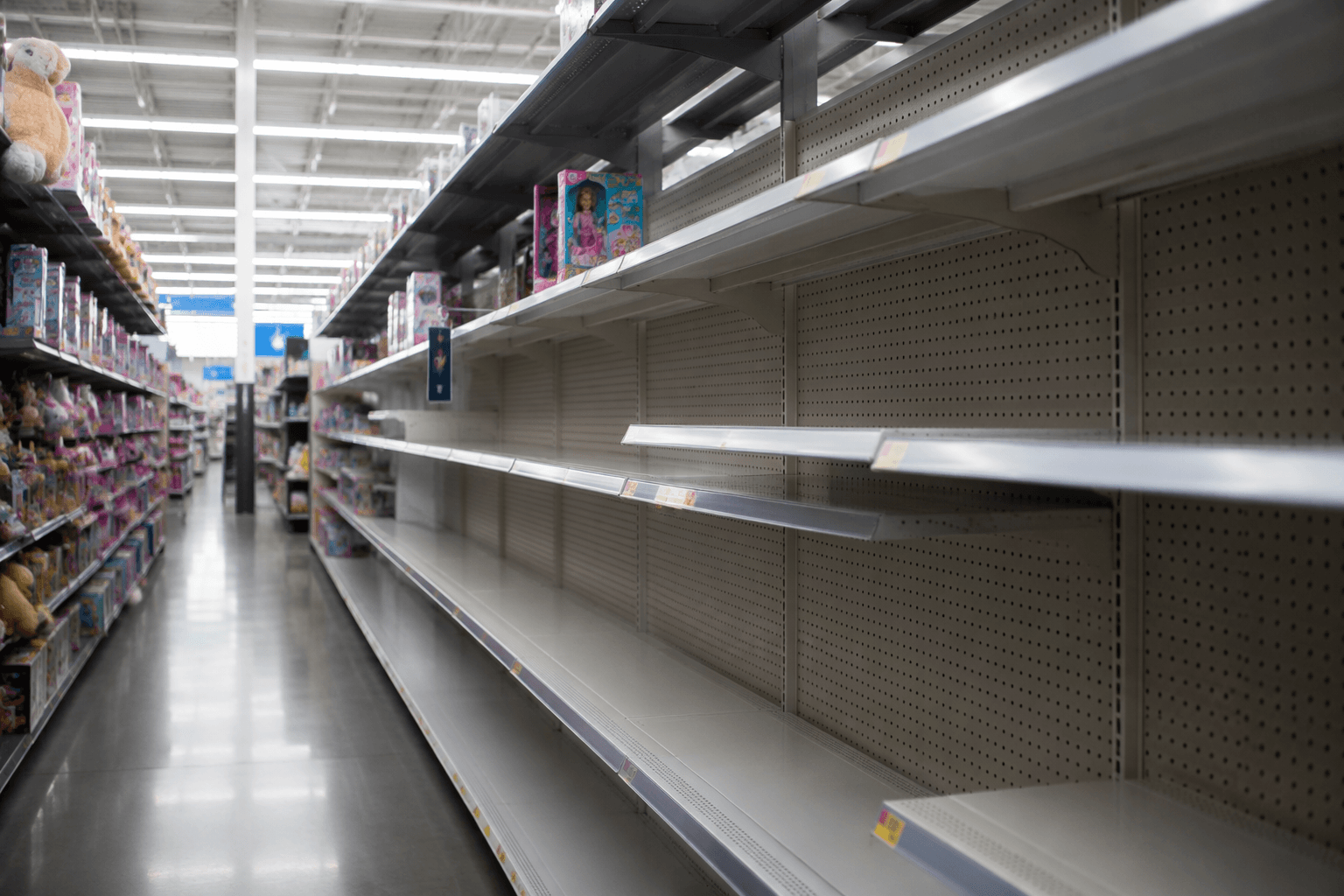
For store teams, the most immediate effect is not policy rhetoric but product flow. Categories that depend heavily on imported supply lines, including seasonal merchandise, electronics, home goods, apparel and toys, are the most likely to feel pressure first. If vendors have to recertify sourcing, reroute production or absorb the new costs, replenishment can slow down, substitutions can show up more often at the shelf, and associates can end up explaining why a hot item is suddenly missing or a cheaper substitute is all that is left.
Walmart’s own sourcing model makes the risk more concrete. In April 2025, Walmart was still pushing Chinese suppliers to cut prices, a sign of how tightly the company manages import costs. The company’s supplier traceability materials also say transparency about the facilities used to make products for Walmart is a foundational part of its Global Ethics & Compliance program. That matters because trade restrictions and forced-labor enforcement do not stay in legal or procurement offices. They travel through merchandising, logistics and store-level inventory decisions.
The policy also sits inside an established enforcement system, not a one-off move. The Department of Homeland Security maintains a 2025 updates page for the strategy to prevent the importation of goods mined, produced or manufactured with forced labor, and U.S. Customs and Border Protection continues to publish UFLPA enforcement statistics. That means merchants and compliance teams are already working inside a framework that can flag shipments, reroute orders and force faster vendor review when sourcing raises questions.
The broader trade backdrop has already been volatile. Trump’s tariffs on Canada, Mexico and China sparked price-hike concerns in March 2025, and the new forced-labor duties landed with pushback from allies including Australia and the European Union. For Walmart associates, the practical watch point is simple: imported discretionary goods and some everyday basics are the first places to feel a squeeze when trade policy changes the cost or timing of supply.
This article was produced by Prism’s automated news system from verified source data, official records, and press releases, then run through automated quality and moderation checks before publishing. The system is built and supervised by the people who set the standards it runs under. Read our full AI policy.
Did this article answer your question?