Walmart grocery share slips again as Costco gains ground
Walmart still leads grocery, but its share fell to 19.9% as Costco climbed. For store teams, that can mean tighter pressure on shelves, pickup accuracy, and staffing.
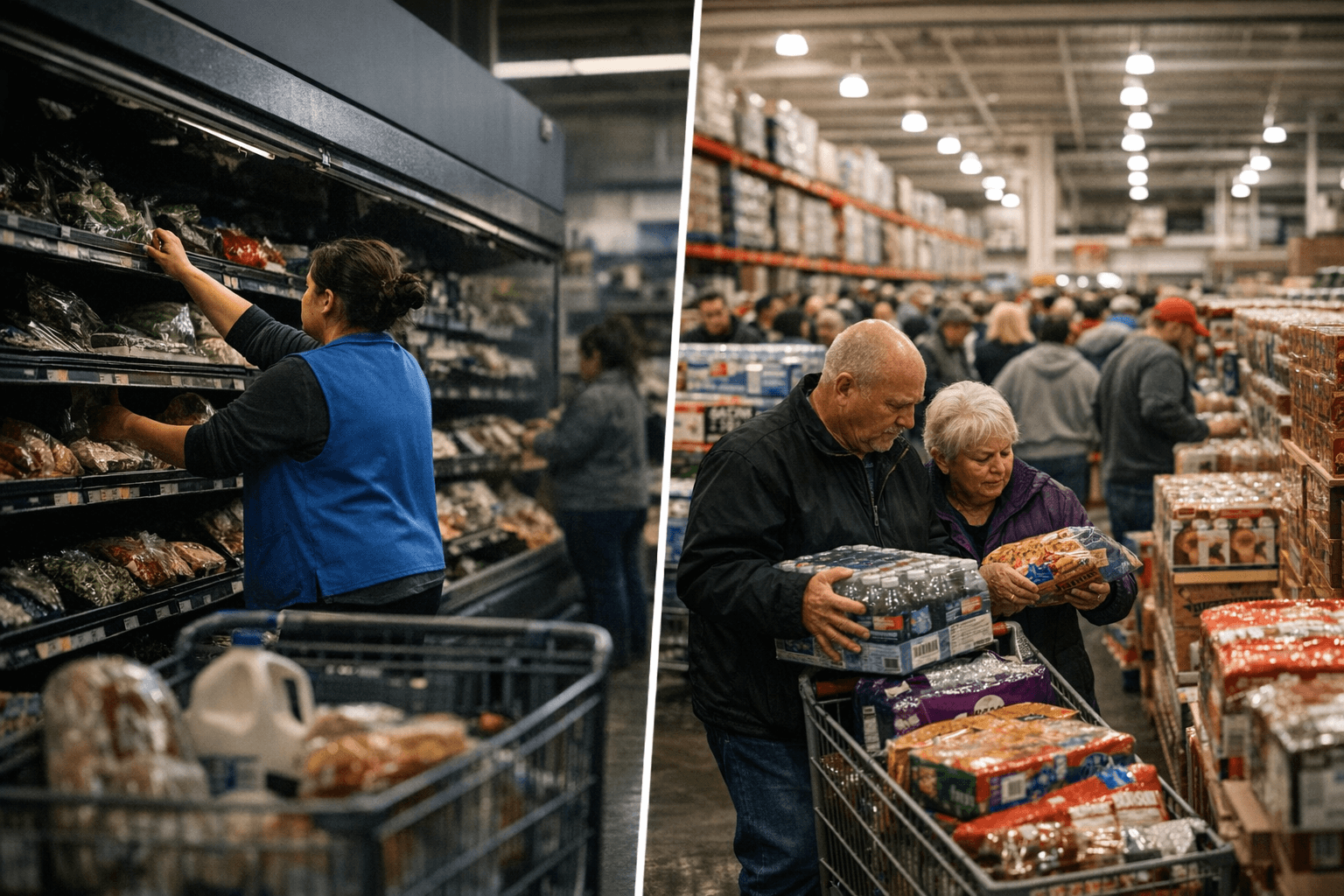
The question for Walmart associates is not whether grocery still matters. It is whether a smaller slice means tighter staffing, tougher pickup targets, and less room for out-of-stocks in the departments that drive traffic every day.
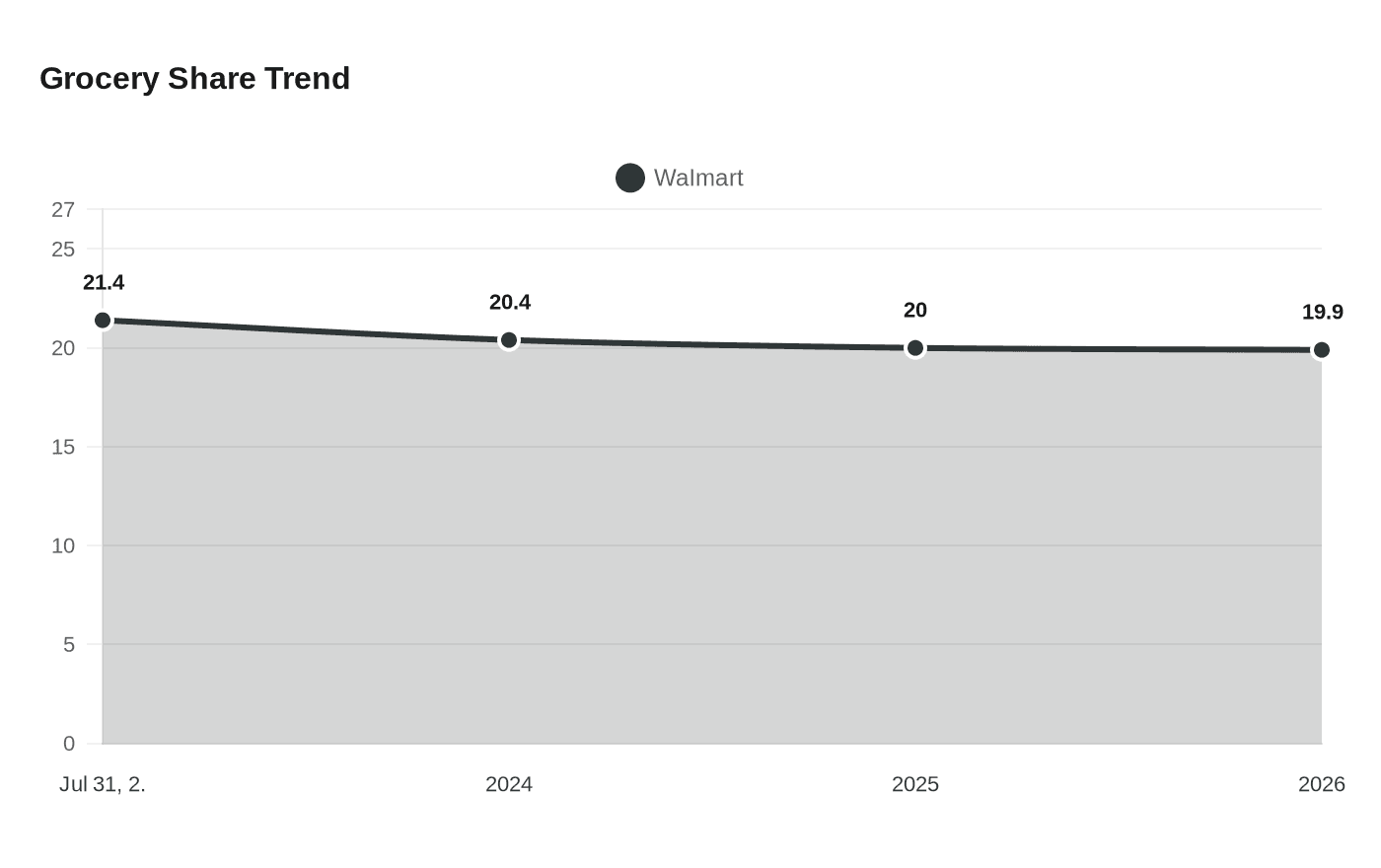
Numerator data cited on April 21 showed Walmart’s grocery share fell to 19.9% in 2026, down from 20.0% in 2025 and 20.4% in 2024. A July 31, 2024 figure put Walmart at 21.4%, which shows how much ground has gradually slipped away even while the company remains far ahead of every rival. Costco moved the other way, rising to 8.2% from 7.9% last year and 7.6% in 2024. Kroger stayed in second place at 8.3%, but it also lost share from 8.6% in 2025 and 8.8% in 2024.
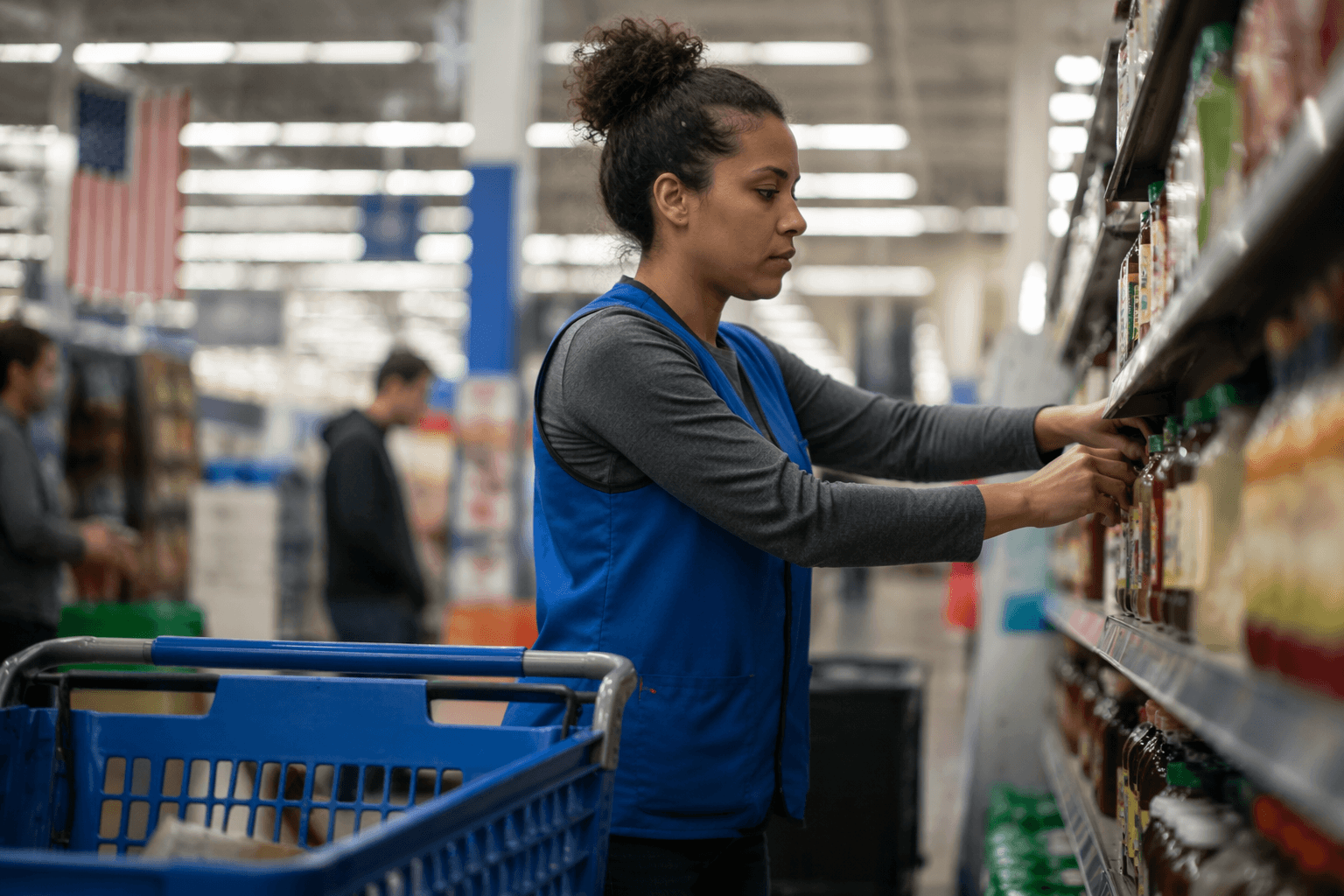
For hourly workers, that kind of slide usually shows up in the store long before it shows up in a corporate presentation. Grocery is the traffic engine at Walmart, so any loss of momentum puts more weight on the basics: produce looking fresh, dairy and meat staying in stock, pantry staples turning on time, and pickup orders leaving without substitutions. When shoppers try other grocers more often, store managers tend to push harder on zoning, replenishment, and fulfillment accuracy. That can mean more urgency in overnight stocking, front-end support, deli coverage, and order pickup when the store gets busy.
Walmart has been spending to defend the business. In July 2024, the company said its U.S. grocery network supported more than 4,600 stores and announced five automated distribution centers for fresh food. It also launched a produce-sourcing pilot with Agritask in June 2024 and later added an RFID collaboration with Avery Dennison in October 2025 to improve inventory accuracy in fresh categories such as meat, bakery, and deli. In April 2025, Walmart said its delivery expansion would reach 12 million more households, a sign that digital convenience is now part of the grocery fight, not an add-on.
The company can still point to solid operating performance. Walmart’s fiscal 2025 U.S. comparable sales rose 4.5%, with strength in grocery. But the new share numbers show the business cannot rely on scale alone. Costco is pressing harder, Kroger is still a major competitor, and the pressure now sits where Walmart lives or dies in grocery: on the store floor, in the backroom, and in the supply chain that has to keep everything moving.
This article was produced by Prism’s automated news system from verified source data, official records, and press releases, then run through automated quality and moderation checks before publishing. The system is built and supervised by the people who set the standards it runs under. Read our full AI policy.
Did this article answer your question?