Walmart highlights supply chain careers powering store and online deliveries
Walmart is turning supply chain work into a real career ladder, with training, CDL pathways, and pay growth that can start on the sales floor.

The supply chain is becoming Walmart’s next career track
Walmart is turning supply chain work into a ladder, not just a backroom function. For hourly associates who want more pay, more mobility, and a job that reaches beyond one store, the company is pointing to drivers, technicians, engineers, and managers as part of a larger system that moves products to stores, clubs, and online customers.
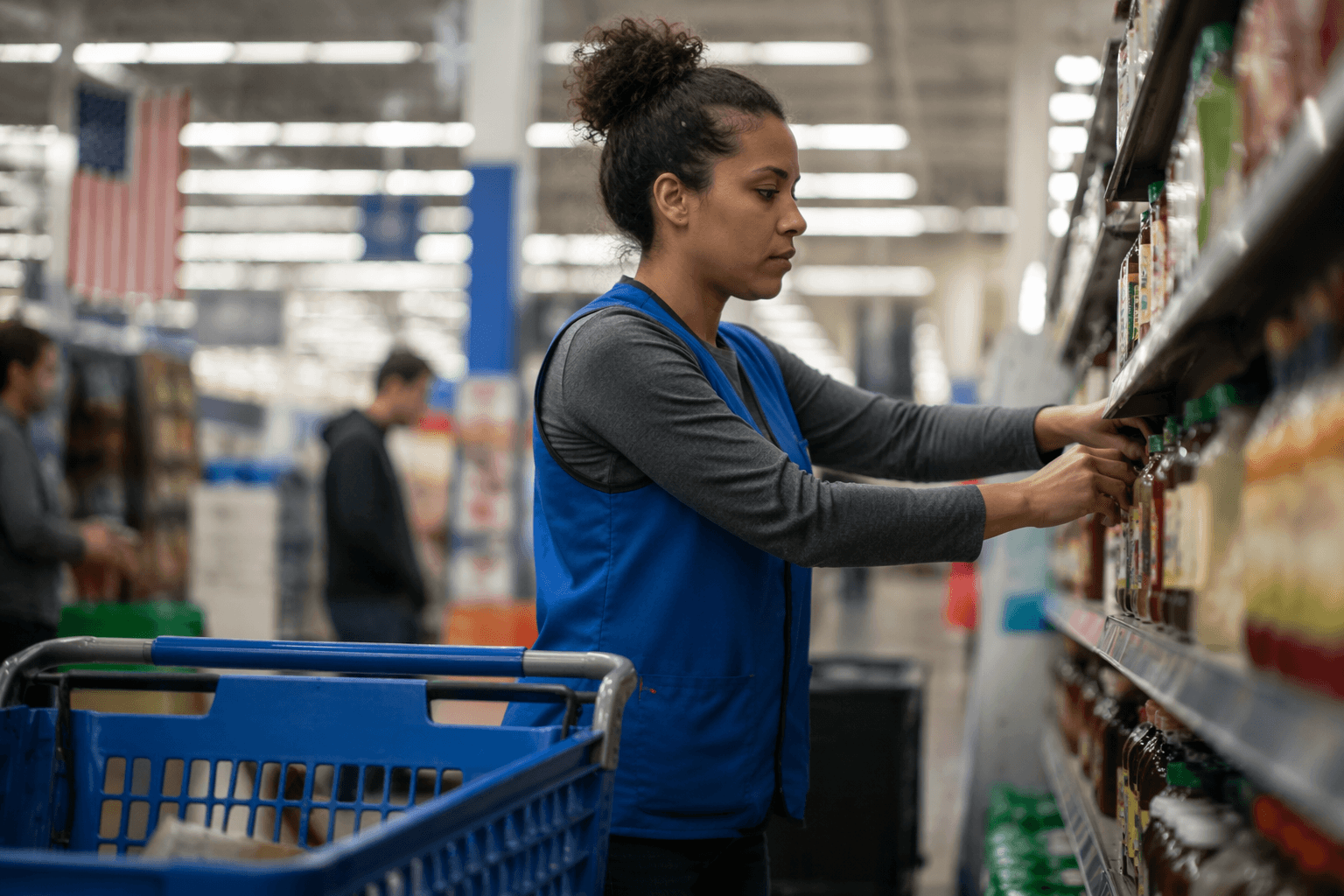
That matters because the people on the sales floor feel every miss upstream. If product is late, short, or misplaced, the store pays for it in empty shelves, rushed replenishment, and a harder day for managers trying to keep execution tight. Walmart’s own materials frame supply chain as one of the main forces shaping customer experience and workload, not a separate world that only logistics specialists need to understand.
Where store experience fits into the ladder
Walmart’s supply chain and transportation page casts the work as fast-moving, technology-driven, and organized around a clean, safe environment. It also makes clear that the ecosystem is broad: drivers, maintenance, engineering, aviation, operations, management, security and asset protection, and manufacturing all sit under the same umbrella. That breadth matters for associates who started in stores or backroom roles, because the transition is not just about getting out of retail. It is about moving into another part of the same operating machine.
The company is also signaling that it wants candidates to understand the job before they apply. Its interactive job simulation for the Area Manager role is a clue that the path upward is supposed to be more deliberate than a blind application. For associates who have learned inventory discipline, time pressure, and team coordination on the floor, that simulation is less a hurdle than a preview of the judgment Walmart expects in logistics leadership.
Walmart’s benefits package helps explain why these roles are being sold as durable careers instead of temporary stops. Live Better U, Walmart Academy, 401(k) matching, paid time off, health benefits, and career-growth opportunities are all part of the pitch. In practice, that means an associate looking at supply chain does not have to choose between learning and earning, because the company is trying to connect training with a longer internal path.
The clearest internal move: associate to driver
The most visible mobility route is the Associate-to-Driver program. In January 2023, Walmart expanded it to associates in stores, distribution centers, fulfillment centers, and transportation offices within 50 miles of a participating transportation office. The company says the program includes a 12-week training course, and that drivers can make up to $110,000 in their first year.
That is a significant number because it reframes the work from a peripheral support role to a wage jump that can change a worker’s trajectory. Walmart later said it was opening the same pathway to store associates as well, widening the entry point for employees who may have started in stocking, customer service, or front-end roles and want a route into higher-paid transportation work. For anyone trying to climb internally, the message is plain: CDL training is not being treated as an outside credential only a few people can afford to chase on their own.

Walmart also launched a separate Private Fleet Development Program in 2022 and said it was paying for CDL training. That creates a second on-ramp into driving work, which is important for workers weighing whether to move through a standard job posting or pursue a more structured company-sponsored track. Between the two programs, the company is making driver roles look like a managed pipeline, not a one-off opening.
Why the business wants more workers to see logistics as a career
The scale behind this effort is hard to ignore. Walmart said it had approximately 2.1 million associates as of January 31, 2025, and described its business as increasingly built around stores, eCommerce websites, service offerings, and supply chain working together. That means logistics is no longer just the machinery behind the scenes. It is part of the model.
The grocery network shows why. Walmart said in 2024 that its grocery network supports more than 4,600 stores, along with a pickup and delivery business that keeps growing. That level of volume depends on replenishment discipline, routing, warehouse flow, and the kind of coordination that store workers see only when it breaks down. For department managers and assistant managers, this is the piece that often gets overlooked: supply chain is not just about moving pallets. It is about whether the store can execute on time.
The company’s transportation operation is equally large. Walmart said it operates 12,000 drivers, 10,000 tractors, and 80,000 trailers, driving 1.1 billion miles each year. It also said transportation accounted for about 24% of its Scope 1 emissions in 2020, which shows how central the fleet is to both operations and sustainability pressure. When a company’s own transportation network is that large, safety, efficiency, and labor stability stop being side issues.
Safety, automation, and the next step up
Walmart has tried to make safety part of the recruitment story. Its fleet was named the Safest Fleet in the Over 250 Million Mile Division by the American Trucking Associations for six consecutive years, a credential that helps reassure associates considering a move into driving. In an industry where turnover and fatigue can be real concerns, that recognition is also a signal that Walmart wants its fleet to look steadier and more professional than the stereotype of trucking work.
At the same time, the company is pushing hard into automation and network redesign. In 2025 reporting, more than half of Walmart’s e-commerce fulfillment center volume was moving through automated systems. In 2026, Walmart said a new first-mile supplier program would distribute inventory across 42 regional distribution centers. Together, those moves suggest the next generation of supply chain jobs will likely blend physical work with systems knowledge, scanning, routing, machine interaction, and process control.
That is where the long-term career opportunity appears to be strongest. The workers who can adapt to automation, understand network flow, and move between store operations and logistics systems are likely to have the widest set of options inside Walmart. The company itself says the supply chain industry evolves, and so will the worker. For associates trying to move up, that is less a slogan than a map of where the better-paying jobs are heading.
This article was produced by Prism’s automated news system from verified source data, official records, and press releases, then run through automated quality and moderation checks before publishing. The system is built and supervised by the people who set the standards it runs under. Read our full AI policy.
Did this article answer your question?