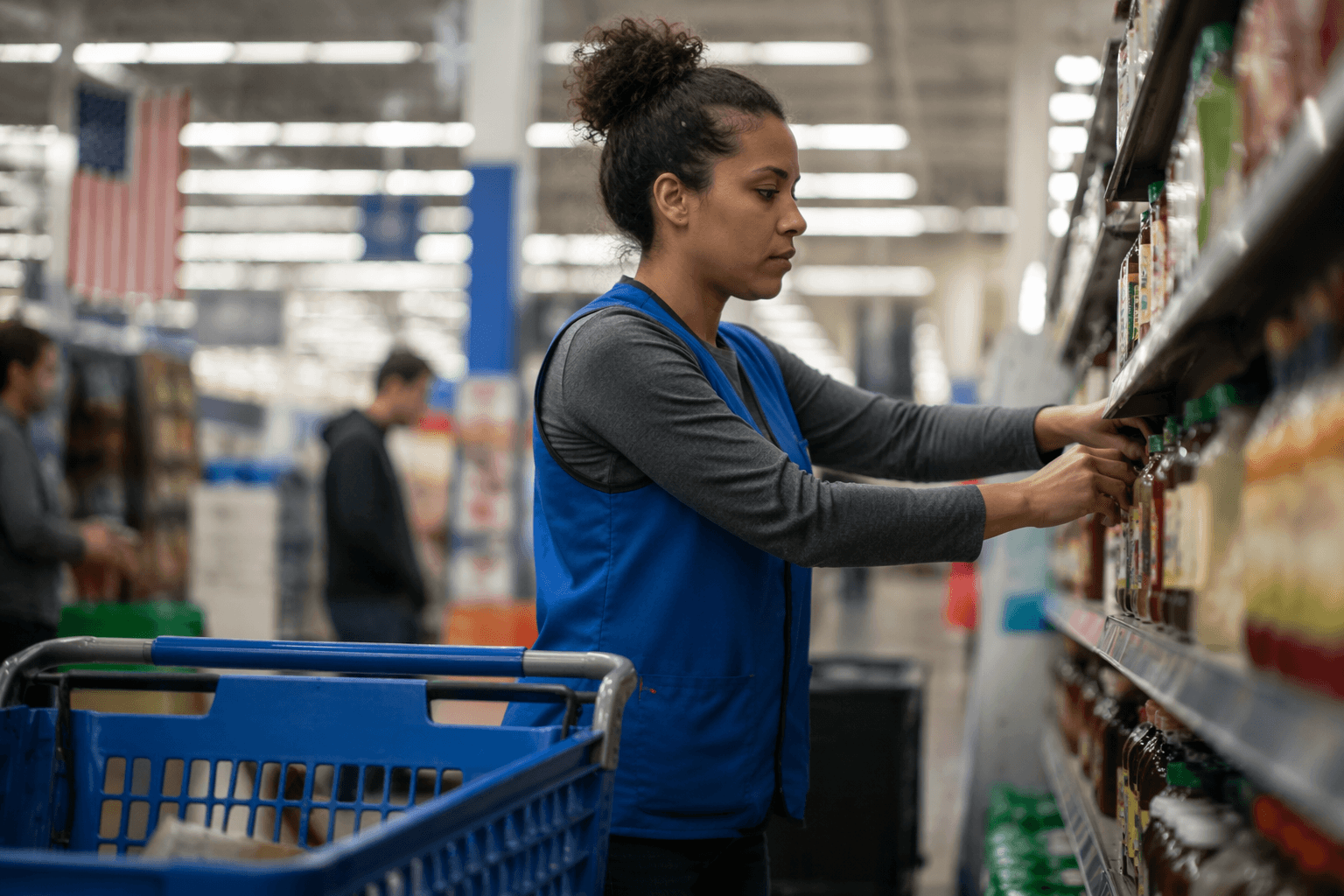
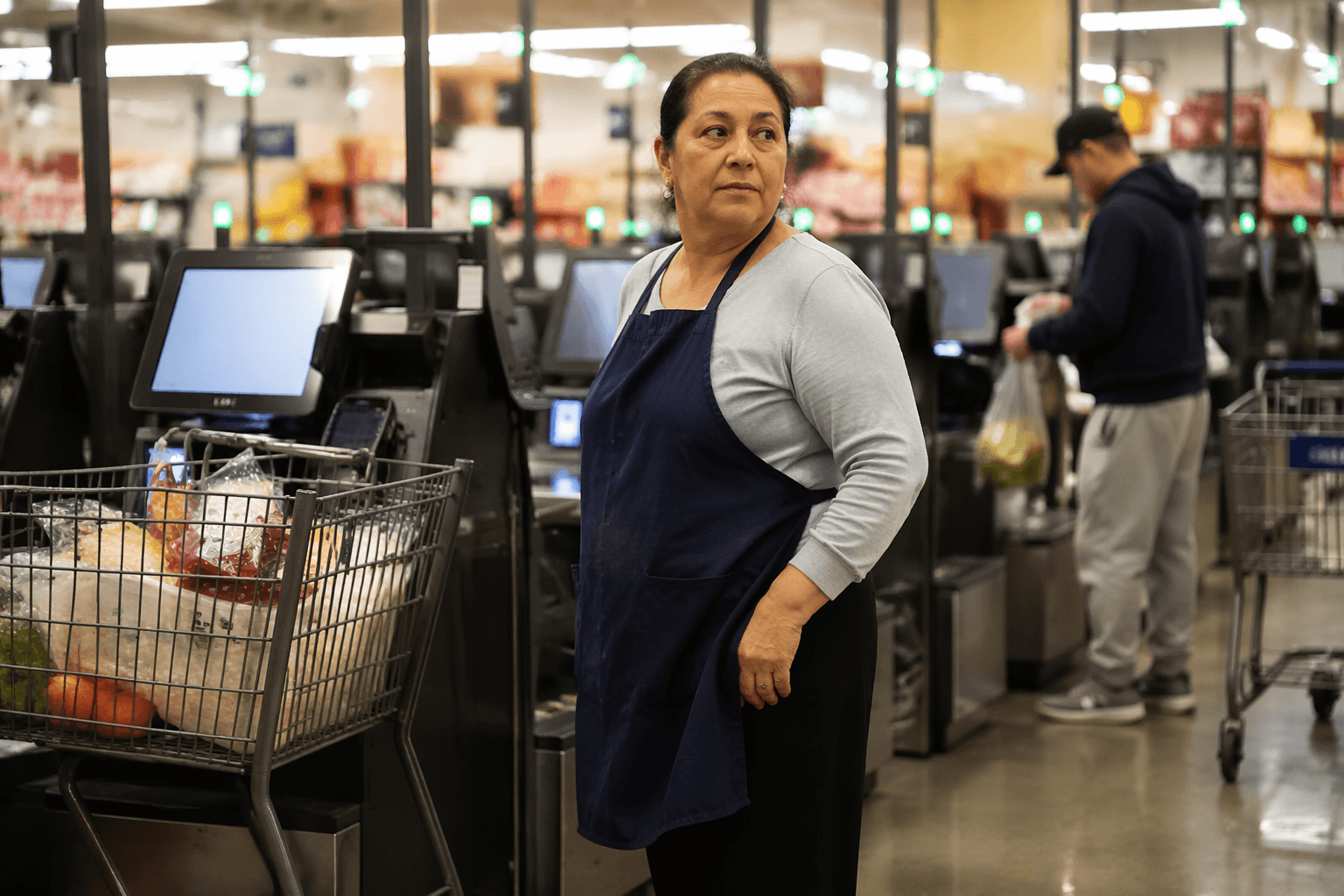
Walmart inventory turns and shelf availability drive customer satisfaction
A full shelf is the visible proof of tight inventory turns. When stock slips, associates feel it as empty pegs, backroom jams and extra substitution work.
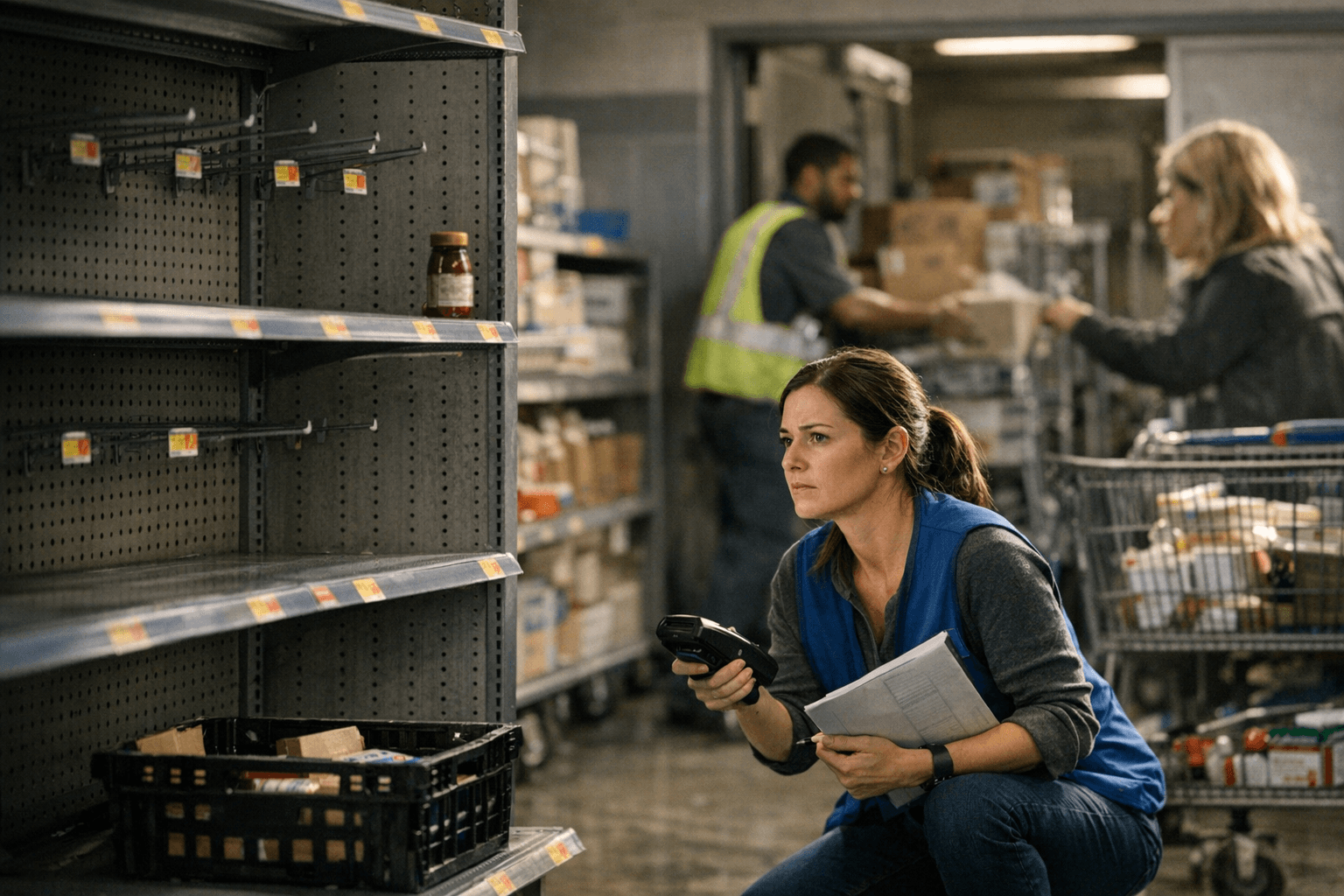
Inventory turns are the work behind a full shelf
A full shelf looks easy only because the hard part happened before the customer arrived. At Walmart, inventory turns and shelf availability are not abstract retail metrics, they are the difference between a fast trip and a frustrated one, and that difference lands on associates in the form of zoning, replenishment, backroom organization and customer recovery.
The scale is what makes the issue so unforgiving. Walmart says about 270 million customers and members visit its stores and websites each week, and it operates more than 10,750 stores in 19 countries. With approximately 2.1 million associates worldwide and fiscal 2025 revenue of $681 billion, even a small lapse in replenishment can ripple across a huge system. When a shelf is empty, the problem is rarely just one missing item. It usually signals that something in the supply chain, the backroom, or the labor plan did not keep pace.
Why grocery makes the pressure constant
Walmart’s 2025 Annual Report makes clear why shelf availability is such a daily fight. Grocery is not just canned food and milk. Walmart defines it broadly to include dry grocery, snacks, dairy, meat, produce, deli and bakery, frozen foods, alcoholic and nonalcoholic beverages, plus consumables such as health and beauty aids, pet supplies, household chemicals, paper goods and baby products.
That breadth matters because each category moves at a different speed. Produce spoils, frozen items need strict handling, baby goods and paper products can spike with household demand, and snack or beverage turns can shift fast with weather, holidays or local traffic patterns. A store can look healthy in one aisle and strained in another because the reorder rhythm, spoilage risk and labor need are different in each department. Walmart’s 2025 annual report, issued on April 24, 2025, shows how much of the business sits in that pressure zone every day.
Walmart U.S. net sales were $462.415 billion in fiscal 2025, and grocery accounted for nearly 60% of that total, or about $276 billion. That means the company’s largest domestic sales engine depends heavily on keeping high-frequency items in stock. When those items are missing, the loss is not just a merchandising miss. It is lost sales, more aisle clutter, more customer complaints and more time spent explaining substitutions instead of finishing the next task.
What inventory turns look like on the floor
Inventory turns are simply a way of asking whether the right amount of stock is moving through the building at the right pace. Too much inventory clogs the backroom, increases handling and raises shrink risk. Too little inventory leaves empty hooks, thin facings and dead space where sales should be happening. The sweet spot is where the sales floor looks full without being overloaded.
- empty pegs or gaps where the same item keeps disappearing
- overfull carts or pallets that block the backroom or create double work
- substitution picks when online or pickup orders need a replacement because the shelf is bare
- repeated customer questions about whether a product is in stock or “somewhere in the back”
- extra zoning and facing to make a low-stock area look recoverable before the next rush
For hourly associates, that balance shows up in ordinary moments:
For department managers and assistant managers, inventory turns are a practical check on whether the team is keeping the right product on hand, not just moving freight. A strong turn with good shelf availability usually means the department is aligned with demand. A weak turn can mean too much product is sitting in the wrong place. But a turn that is too aggressive can be just as damaging if it leaves the shelf empty before the next truck, the next batch pick or the next traffic wave.
Why shelf availability changes customer satisfaction
Customers do not see the replenishment algorithms, the receiving paperwork or the late-night fixing of topstock. They see whether they can get through a trip quickly. That is why shelf availability has such a direct effect on customer satisfaction. A shopper who finds what they need fast is easier to serve, more likely to finish the trip without friction and less likely to create a register problem later.
The reverse is just as true. An empty shelf slows the trip, creates substitution requests and often sends the customer into a second or third search. For store teams, that means more interruptions at the exact moment when labor is already stretched. A missing item can turn one quick interaction into several: a check in the aisle, a search in back, a possible substitution and then a follow-up at pickup or self-checkout if the replacement does not match expectations.
That pressure does not stop at the store door. Walmart said store-fulfilled pickup and delivery were major drivers of eCommerce growth in fiscal 2026 first quarter, when net sales reached $165.6 billion. That makes shelf availability even more important because the same inventory that serves the walk-in customer now feeds digital orders as well. If the item is not on the shelf, it may not make it into the basket at all, and the associate handling picks or substitutions feels that failure immediately.
What good looks like at Walmart
The best-operated stores make the whole process look almost effortless. Shelves stay full because backroom organization is tight, zoning is consistent and replenishment happens before the customer notices the gap. That does not mean every item is always available. It means the store keeps the highest-volume, highest-frequency products moving smoothly enough that shoppers trust the trip.
That trust is especially important in a business of Walmart’s size. Walmart said it employed approximately 2.1 million associates worldwide in fiscal 2025, so the chain depends on thousands of small daily decisions being made correctly in every market and every format. A clean backroom, a disciplined fill process and a sharp eye on the fastest-moving categories all help protect sales and reduce avoidable labor.
For workers, the lesson is straightforward: inventory turns are not a corporate spreadsheet exercise. They shape the pace of the day, the length of customer conversations and the amount of rescue work required when a shelf is empty. When inventory moves cleanly and shelf availability holds, the floor is calmer, the backroom is easier to manage and the store performs the way Walmart’s scale demands.
This article was produced by Prism’s automated news system from verified source data, official records, and press releases, then run through automated quality and moderation checks before publishing. The system is built and supervised by the people who set the standards it runs under. Read our full AI policy.
Did this article answer your question?