Walmart launches new facility services business for nationwide companies
Walmart turned the maintenance muscle behind thousands of stores into Upstream, a new service line that could mean new career paths, or new pressure, for facility teams.
Walmart’s new facility services business raises a blunt workplace question: if the company’s maintenance systems are good enough to sell to other businesses, will that create better jobs and clearer career ladders for associates, or will it pull attention from the stores and clubs that already depend on those teams every day?
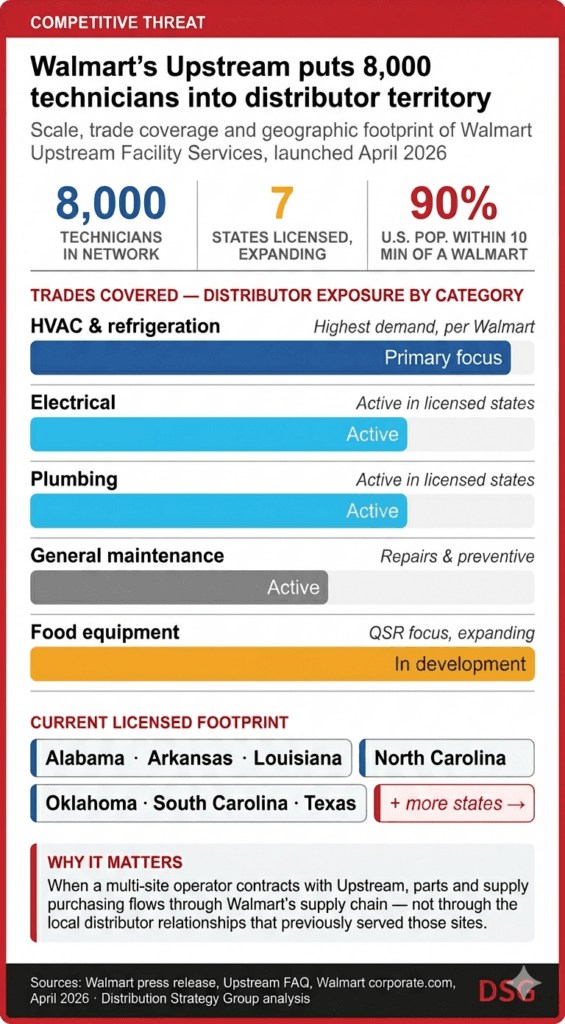
The retailer introduced Upstream Facility Services on April 14, 2026, as a nationwide service built from the in-house maintenance operation that keeps Walmart and Sam’s Club locations running. Walmart says the business is aimed at companies with distributed, multi-location footprints, where uptime, consistency and speed hit revenue fast. The pitch is straightforward: faster response times, dependable service and real-time visibility for customers that cannot afford a broken HVAC system, a failed refrigerator case or a delayed plumbing fix.
That matters inside Walmart because it shows which back-of-house systems have become strong enough to stand on their own. It is not just the wrench work. It is the dispatch system, the vendor relationships, the parts flow, the maintenance scheduling, the digital tracking and the standards that let one organization service thousands of locations with the same playbook. R.J. Zanes, Walmart’s vice president of Facility Services, said the company has spent years building one of the country’s largest in-house facility service operations, and Upstream extends that capability beyond Walmart’s own stores.
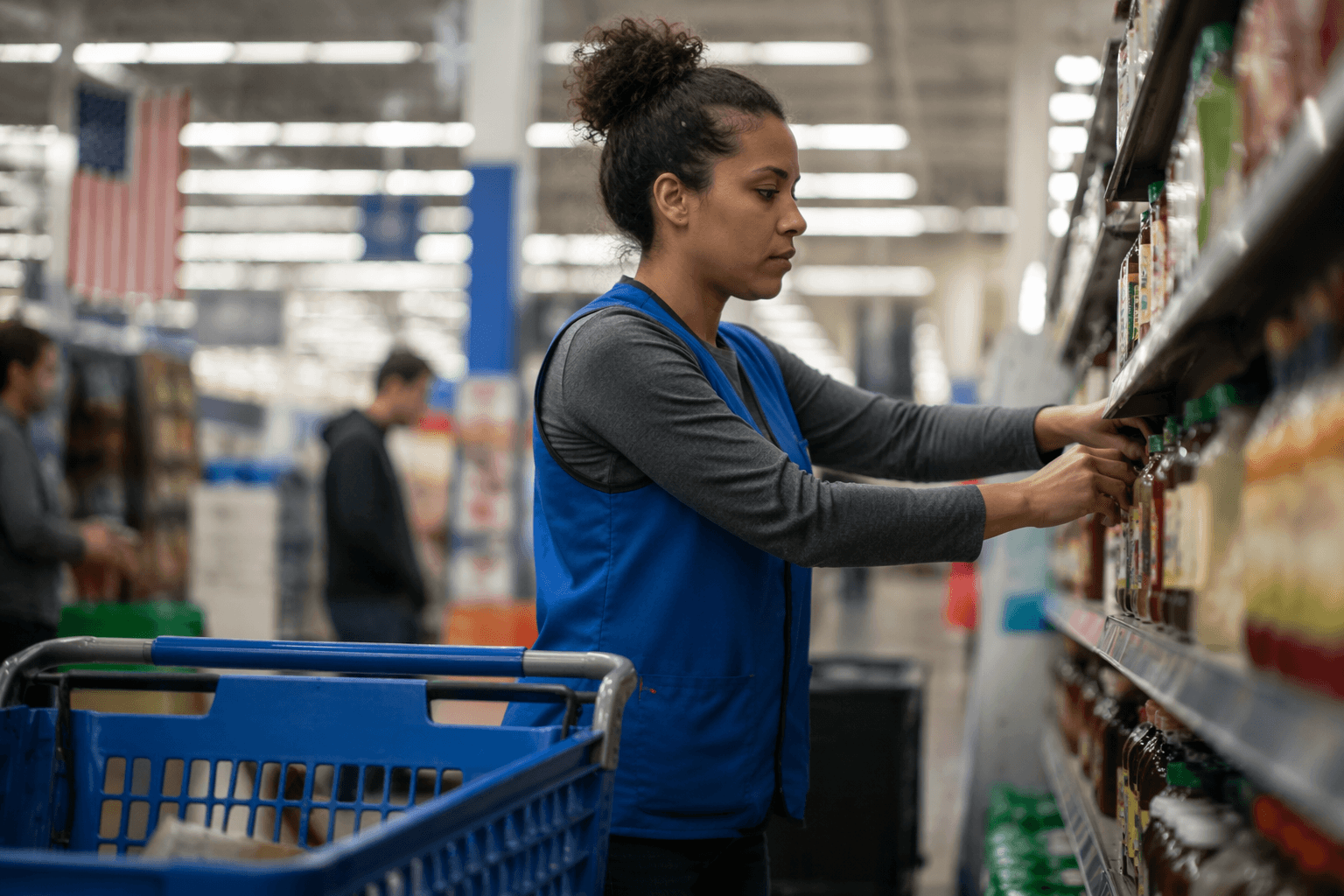
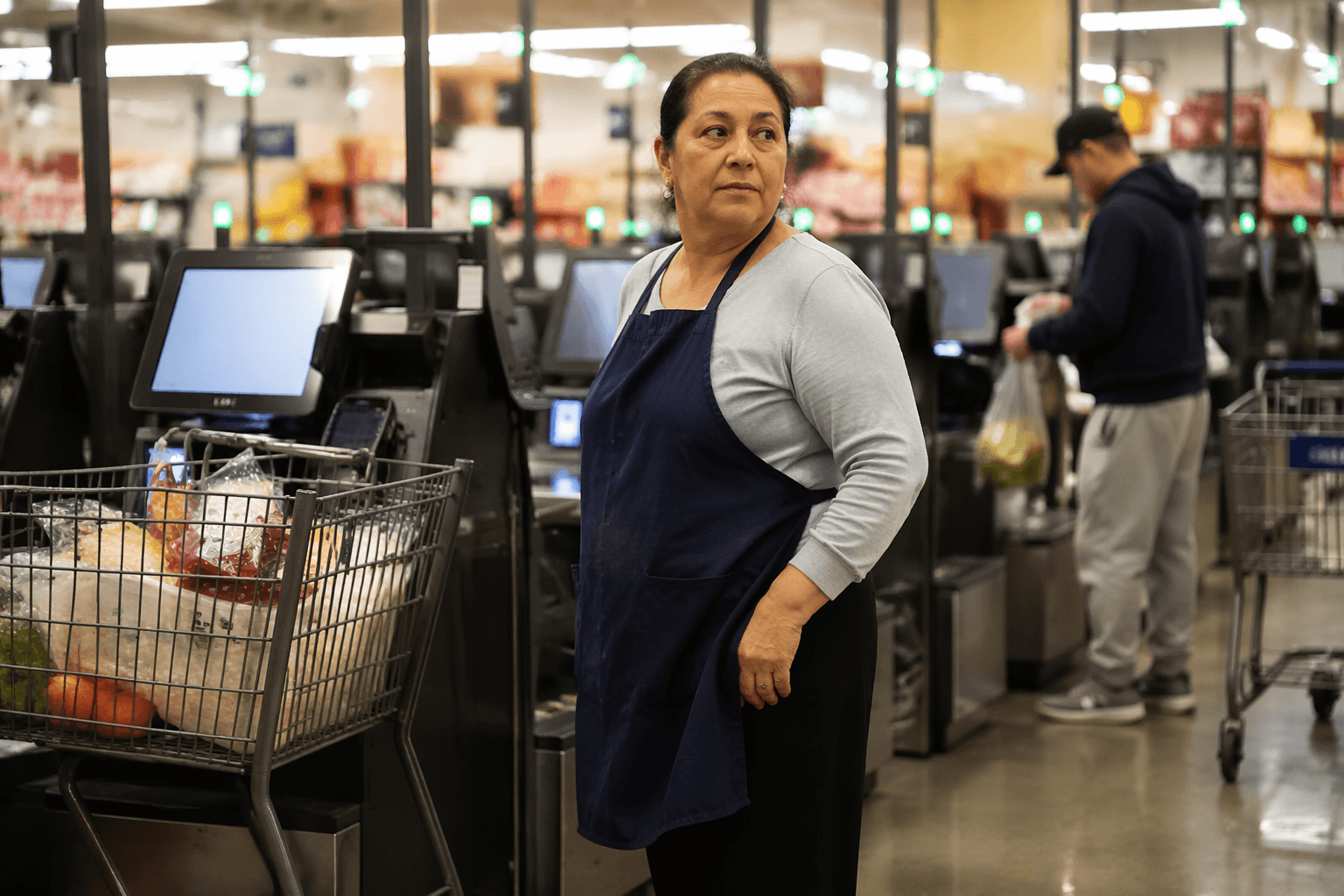
If the business scales, it could open new roles for maintenance technicians, planners, dispatchers, service coordinators and technology staff who manage uptime data across a wider client base. It could also create a more visible career path for associates who already work around equipment, repair requests and preventive maintenance inside stores. But there is a second possibility that hourly workers and managers know too well: if Walmart uses the same bench of expertise to support an outside revenue stream, store teams could end up competing for time, labor and attention unless the company adds dedicated headcount and separates the work cleanly.
Walmart has done this kind of commercialization before. It turned delivery capability into Walmart GoLocal and marketplace fulfillment into Walmart Fulfillment Services. The new launch also fits a broader investment pattern. Walmart said in April 2023 that it was building a next-generation supply chain network to drive future growth, and it said in July 2024 that it was continuing to modernize its grocery network with more automation and technology. Upstream suggests the company now sees its operational backbone not just as an internal cost center, but as something it can package and sell.
For workers, the real test is simple: does Upstream make the core retail business stronger, or does it ask the same people and systems to carry one more business line without giving stores enough back?
This article was produced by Prism’s automated news system from verified source data, official records, and press releases, then run through automated quality and moderation checks before publishing. The system is built and supervised by the people who set the standards it runs under. Read our full AI policy.
Did this article answer your question?