Walmart may face supply chain pressure as imports surge early
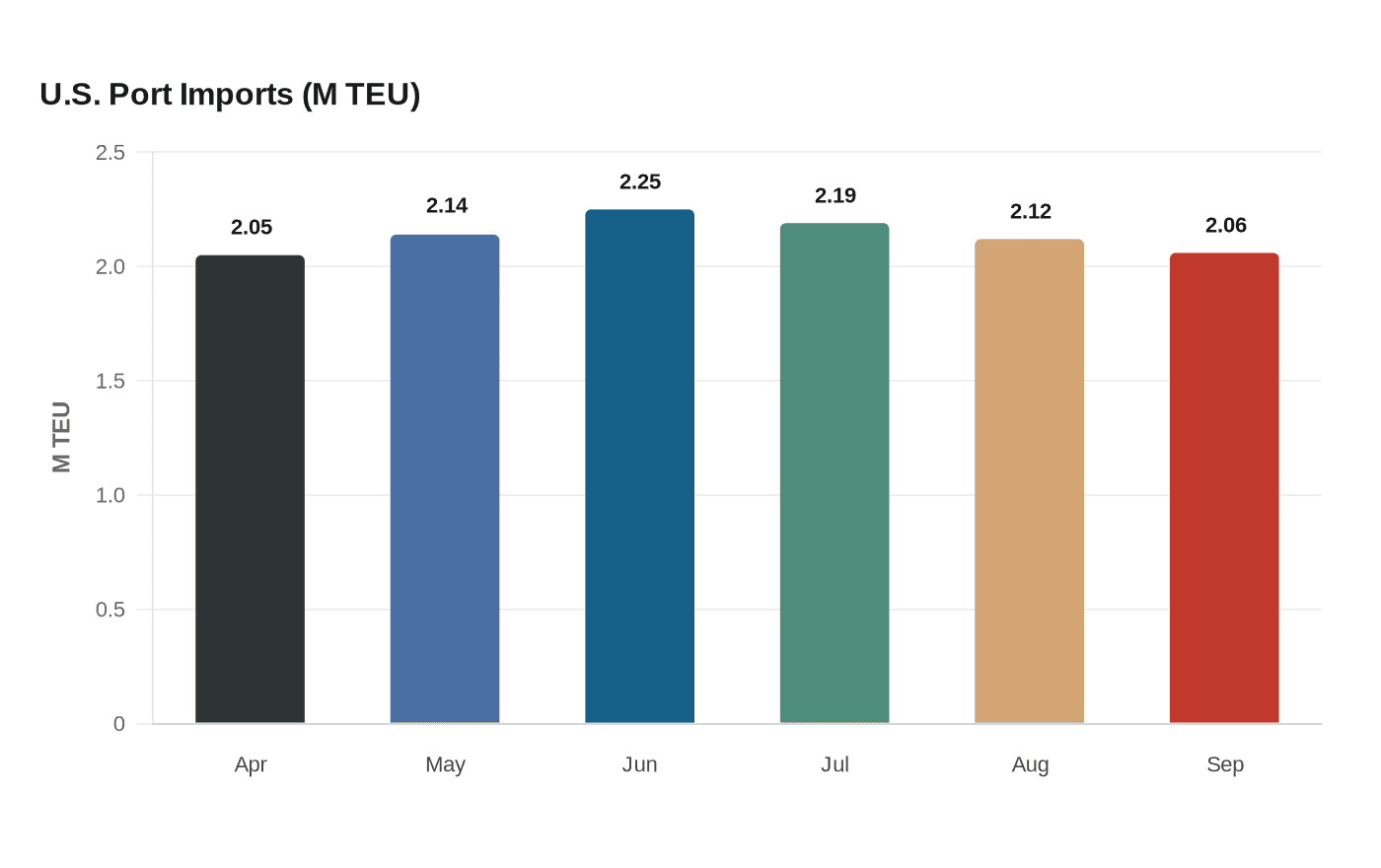
Walmart stores could face heavier receiving and backroom pressure now, then softer replenishment later, as June imports jump to 2.25 million TEU before easing into fall.

Walmart workers may feel the effects of tariffs and fuel costs long before shoppers notice anything at the register. The National Retail Federation said U.S. container ports are headed for a June surge in imports as retailers rush merchandise in early, a shift that can mean more freight on receiving docks, tighter backrooms and more uneven stock flow across stores.
The NRF and Hackett Associates forecast 2.25 million twenty-foot equivalent units at U.S. ports in June, up 14.3% from a year earlier. The group said ports handled 2.05 million TEU in April, with 2.14 million projected for May, then 2.19 million in July, 2.12 million in August and 2.06 million in September. Jonathan Gold, NRF’s vice president for supply chain and customs policy, said retailers are moving merchandise earlier because higher tariff and fuel costs could begin to hit in August. Ben Hackett, founder of Hackett Associates, said the surge could stretch into July before consumer uncertainty and inflation start to cool imports.

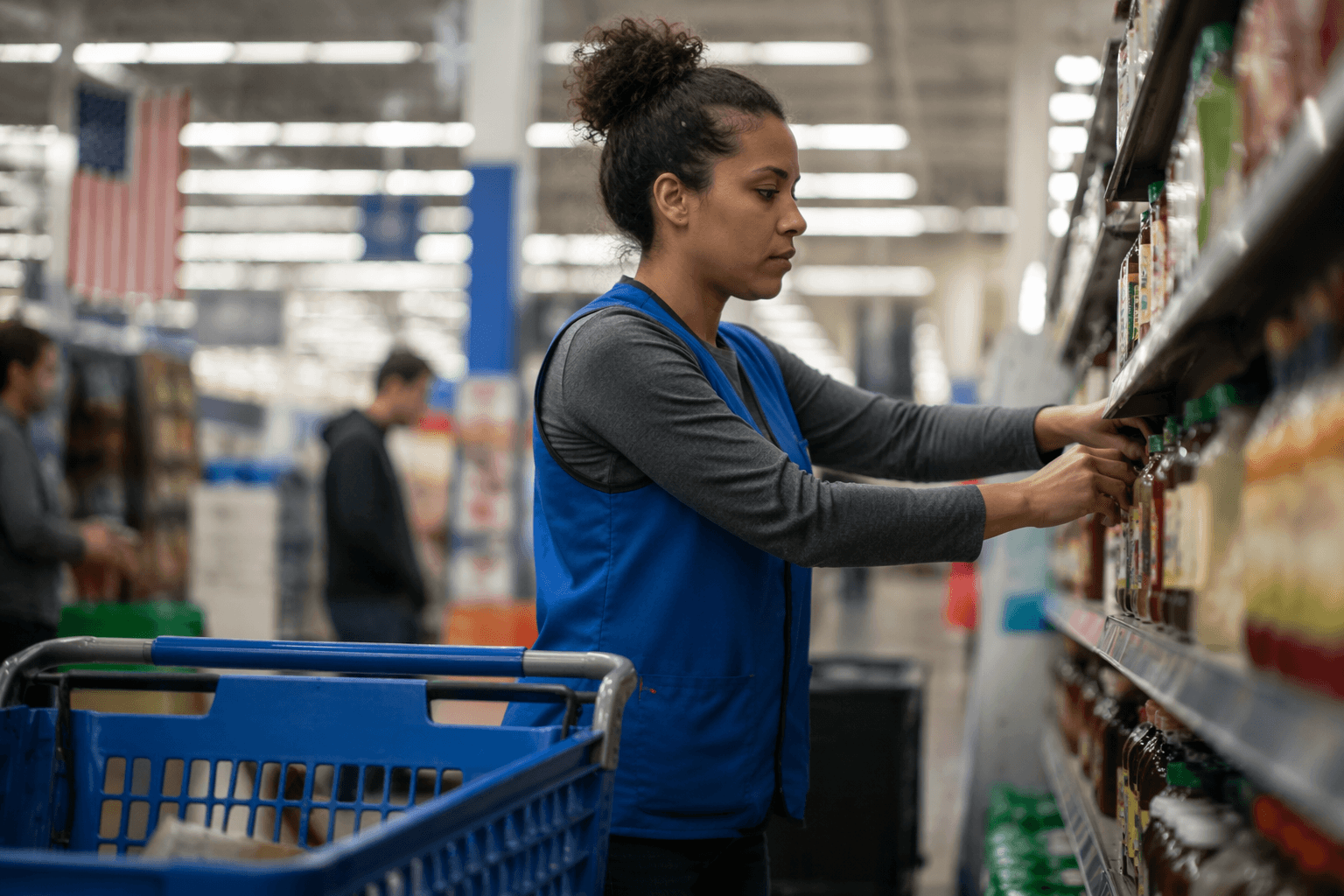
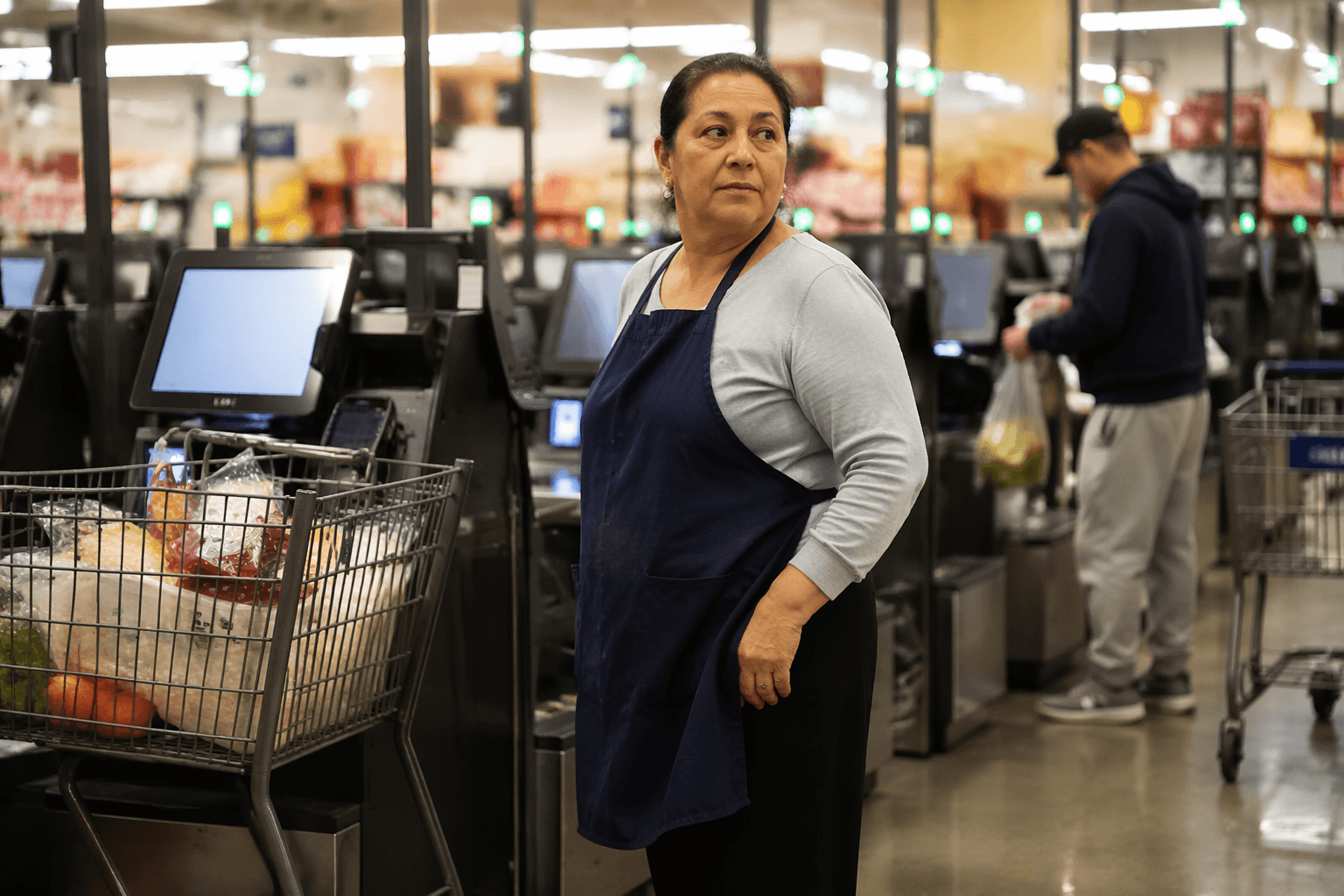
For Walmart associates, that timing matters on the floor and behind it. When containers come in early, the work does not stop at the port. It lands in distribution centers, on backroom pallets, in overnight stocking plans and in online fulfillment operations that have to keep pace with a faster and less predictable flow of product. If retailers load up on fall and holiday goods now, stores may see a busier summer on freight and replenishment, followed by a later slowdown that changes how managers schedule labor and sequence seasonal resets.

Walmart has already been dealing with tariff pressure for more than a year. In its May 15, 2025 first-quarter earnings release, the company said revenue rose 2.5% to $165.6 billion, global e-commerce grew 22% and Walmart U.S. comparable sales were up 4.5%. In the earnings transcript, Walmart said tariff-related cost pressure started in late April 2025 and accelerated in May, and Doug McMillon said higher tariffs would result in higher prices. The company also said it was maintaining flexibility in a dynamic operating environment.
That flexibility is showing up in supply chain changes and investor messaging. On May 26, 2026, Walmart unveiled Prepaid Consolidation, a new supply-chain strategy meant to simplify inbound supplier logistics, improve service and lower costs while getting products to shelves and customers faster. At Walmart’s June 4, 2026 annual shareholders’ meeting, John Furner said the company’s omnichannel model continued to deliver consistent performance and that Walmart was investing in value, convenience, associate experience and technology. With about 270 million customers and members visiting Walmart stores and websites each week and about 2.1 million associates worldwide, even small import swings can ripple quickly from the port to the aisle.
This article was produced by Prism’s automated news system from verified source data, official records, and press releases, then run through automated quality and moderation checks before publishing. The system is built and supervised by the people who set the standards it runs under. Read our full AI policy.
Did this article answer your question?