Walmart may use tariff refunds to lower store prices
Walmart said it would steer tariff refunds toward lower prices as fuel-stressed shoppers buy less and scrutinize every shelf tag.
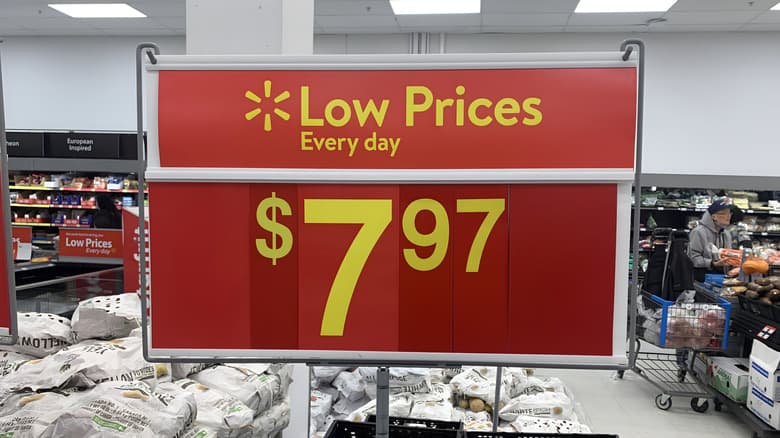
Walmart said it would steer any tariff refunds toward lower shelf prices, a move that could mean more rollbacks, more tag changes and more price checks on the sales floor. CFO John David Rainey said the company could be eligible for refunds worth less than half of 1% of its U.S. annual sales, or about $2.4 billion, and that Walmart would “definitely bias and try to prioritize” using those refunds to cut prices.
The timing matters for store teams because Walmart’s value pitch is colliding with customers who are already tightening up. Rainey said shoppers at Walmart gas stations had recently begun buying fewer than 10 gallons at a time for the first time since 2022, which he called “an indication of stress.” He also drew a clear line between customer groups, saying high-income shoppers are still spending with confidence while lower-income consumers are more budget-conscious and may be under financial strain.
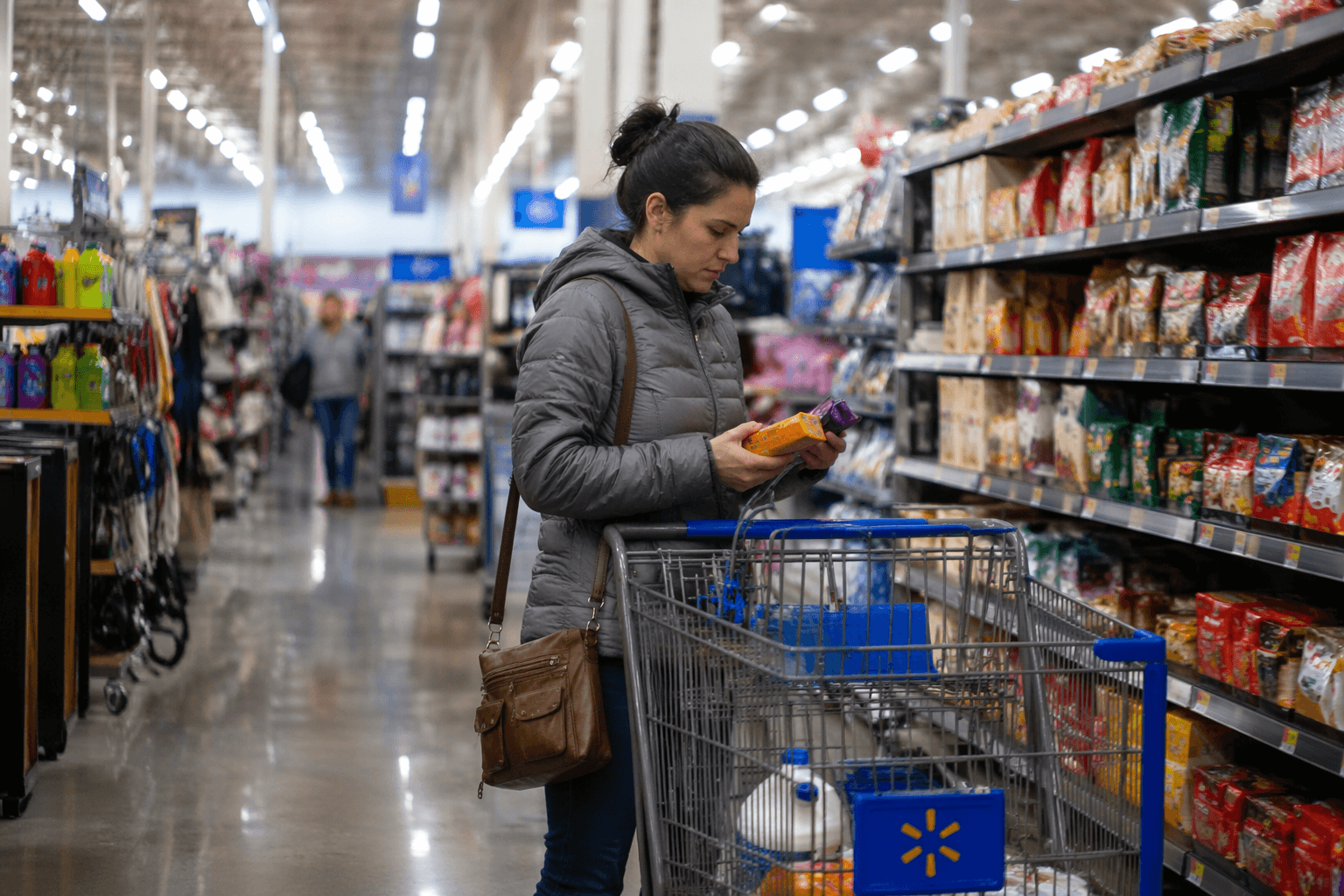
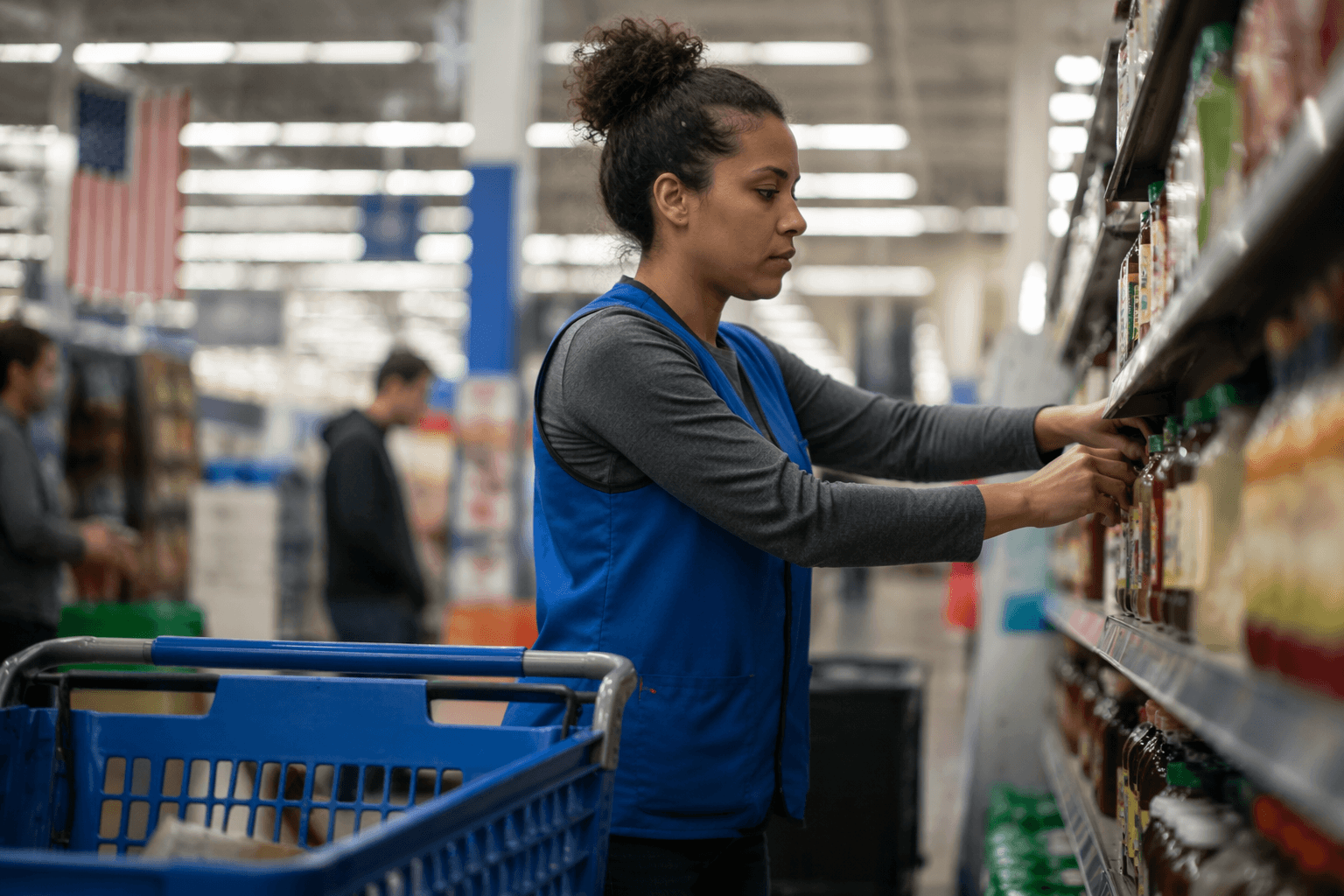
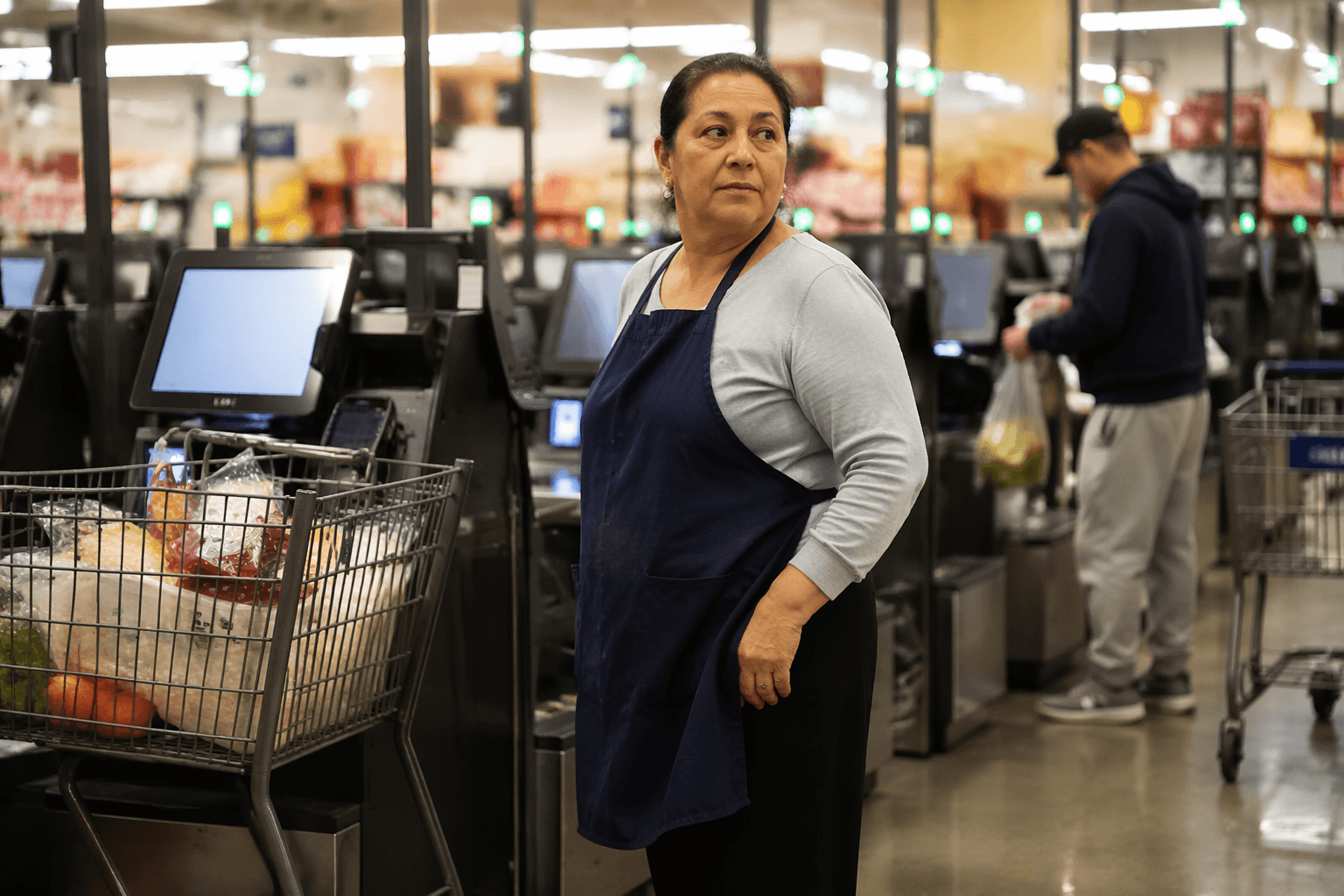
For hourly associates and department managers, that pressure shows up in ordinary but time-consuming ways. More customers comparing prices line by line usually means more questions about substitutions, more complaints when a tag does not match the shelf, and more scrutiny when a familiar item is suddenly higher or temporarily out of stock. If Walmart pushes more of its tariff savings into lower prices, store teams are likely to see more promotional changes, more rollback labels and more urgency around accuracy at the shelf.
Walmart’s earnings materials, released May 21 for the 13-week period ended May 1, 2026, said comp sales growth excluded fuel. The company has tried to protect its price reputation before by leaning into low prices while managing cost pressure elsewhere. In its fiscal first quarter of 2026, Walmart said comparable-store sales excluding fuel rose 4.5% and U.S. digital sales grew 21%, showing that food demand and e-commerce were still helping offset a tougher operating climate.
The broader backdrop is a tariff refund pool that could be huge across retail. U.S. importers such as Walmart and Target may be due more than $160 billion after a U.S. Supreme Court decision struck down most of last year’s duties, creating a financial opening that Walmart appears ready to turn into a store-level message: keep prices down, even if the operational burden lands on the front line.
This article was produced by Prism’s automated news system from verified source data, official records, and press releases, then run through automated quality and moderation checks before publishing. The system is built and supervised by the people who set the standards it runs under. Read our full AI policy.
Did this article answer your question?