Walmart moves ALOHA bars to grocery aisles, boosting discoverability
Walmart pushed ALOHA bars into main grocery, turning a shelf reset into a test of who spots protein first. The move could reshape stocking, signage and sales expectations on the floor.

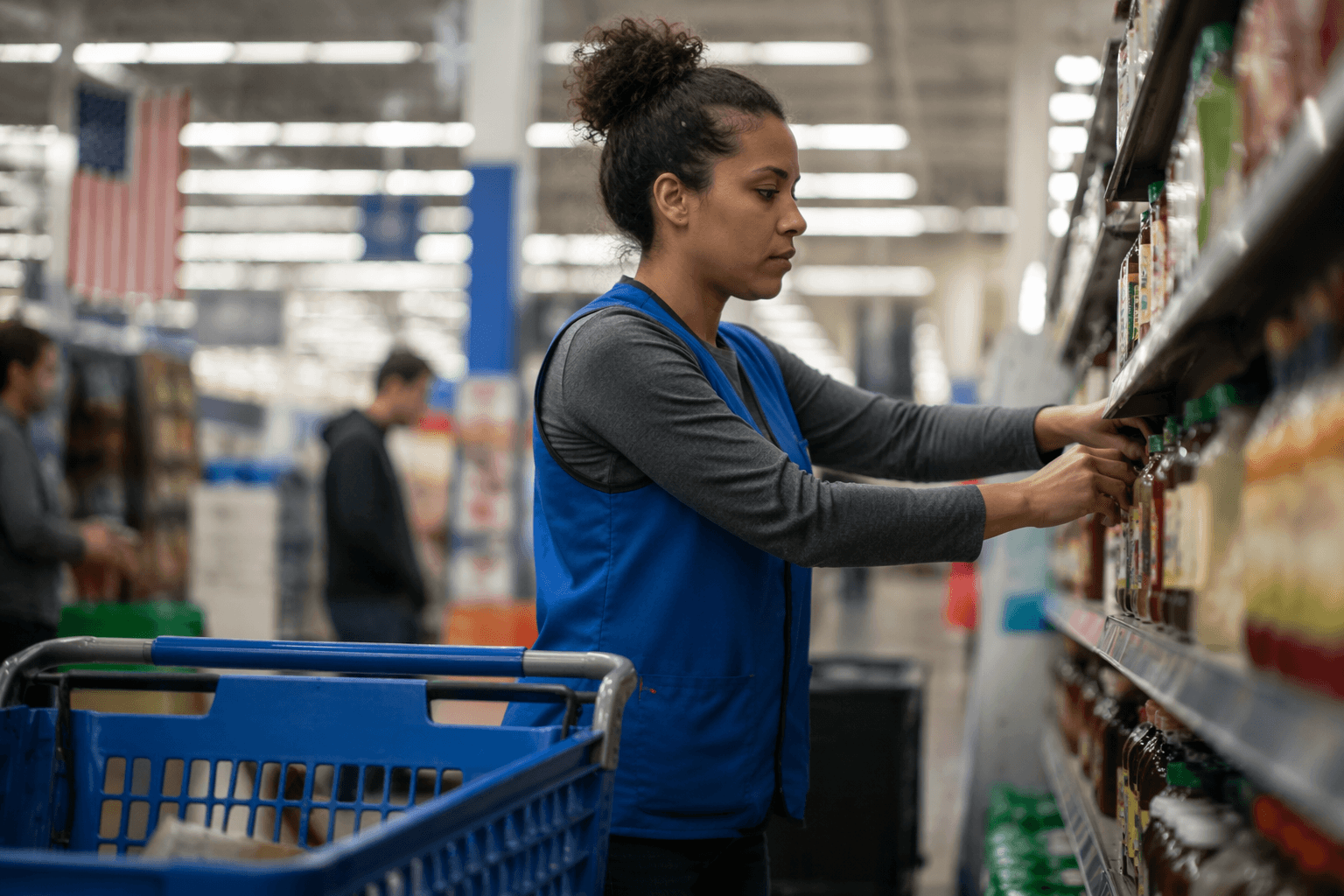
When Walmart pulled ALOHA bars out of the nutrition aisle and into the main grocery set, it changed more than where shoppers found a snack. The move shifted how the category was presented to customers, which team handled the set and how often protein bars would get picked up alongside everyday grocery items.
The rollout was national this month, and the logic behind it was simple: protein and fiber are no longer being treated like niche supplement buys. Walmart is betting that shoppers want those benefits in the same place they buy the rest of their food, and that makes shelf location a store-operations decision, not just a merchandising one.
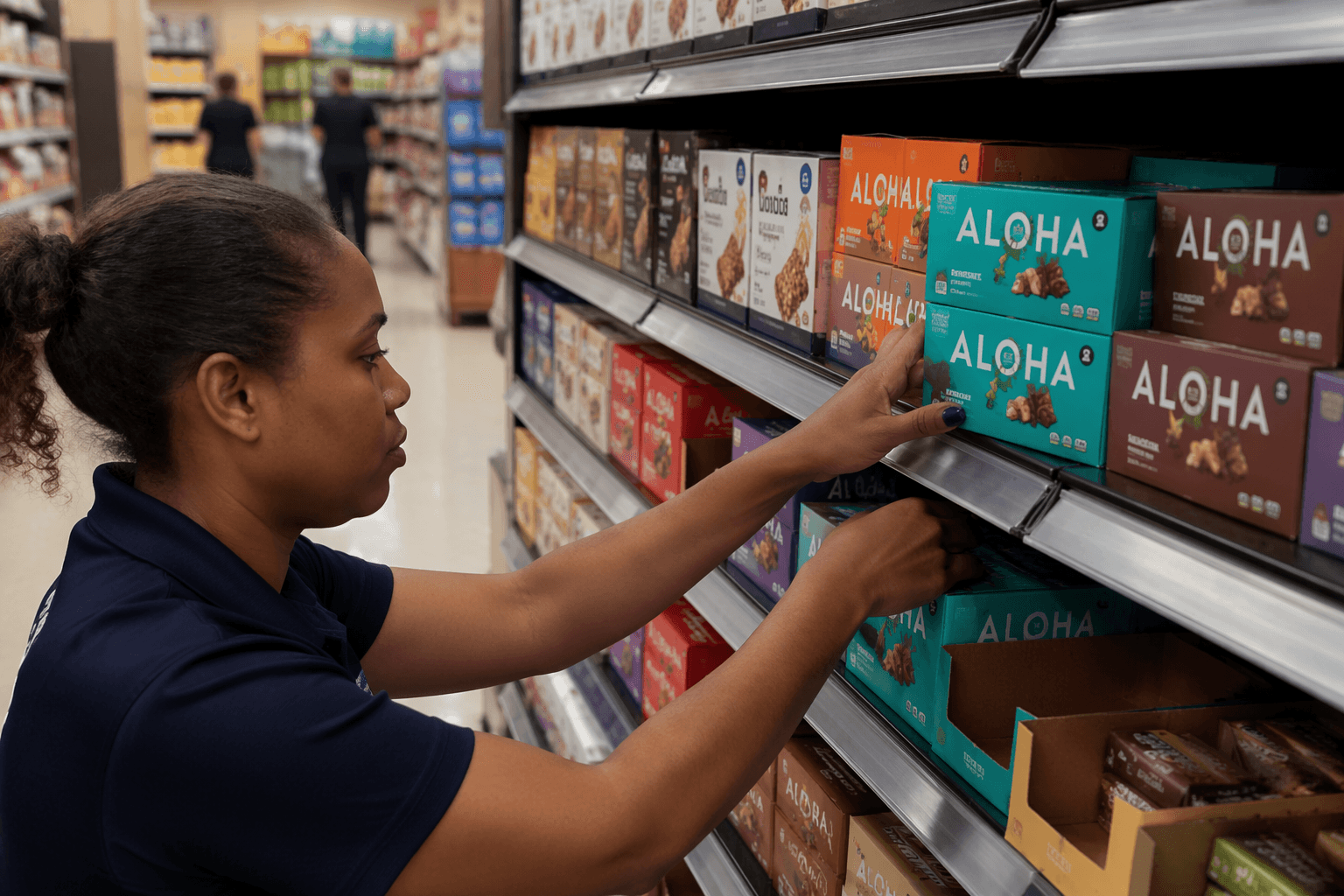
That matters on the floor because discoverability drives sales. A bar tucked into the nutrition aisle can get lost among sports nutrition and specialty items; the same bar in grocery can land in the path of a weekly basket, an impulse stop or a meal-planning trip. For grocery associates and department managers, the reset signals that adjacency, signage and stocking discipline now matter as much as price when a product is being recast as a mainstream food.
The timing fits what shoppers are already doing. The 2025 Food & Health Survey from the International Food Information Council found that 71% of Americans are trying to consume more protein. ALOHA is leaning into that trend with plant-based bars that Walmart already sells online in multiple flavors and pack sizes, including 14g-protein bars and 12-count packs. Walmart.com also shows the items available for pickup, delivery and shipping, which ties physical placement to digital discovery.
ALOHA has scale behind the move. The brand describes itself as an employee-owned, award-winning B Corp and Climate Neutral Certified plant-based protein company. It said it surpassed $100 million in revenue in 2024, and SEMCAP Food & Nutrition invested $68 million in secondary capital in March 2024. ALOHA also said it posted 530% three-year revenue growth on the 2025 Inc. 5000 list.
That kind of momentum helps explain why Walmart is willing to rethink where a protein bar belongs. With five flavors in about 2,000 Walmart locations and online, the shelf reset is a signal to store teams that category placement is no longer static. In Walmart’s grocery business, the next growth move may come from putting the right product in the right aisle before shoppers even know they were looking for it.
This article was produced by Prism’s automated news system from verified source data, official records, and press releases, then run through automated quality and moderation checks before publishing. The system is built and supervised by the people who set the standards it runs under. Read our full AI policy.
Did this article answer your question?