Walmart moves to automate all regional distribution centers
Walmart is extending Symbotic automation to all 42 regional DCs. Store teams should see tighter replenishment, while warehouse associates face new training and productivity demands.
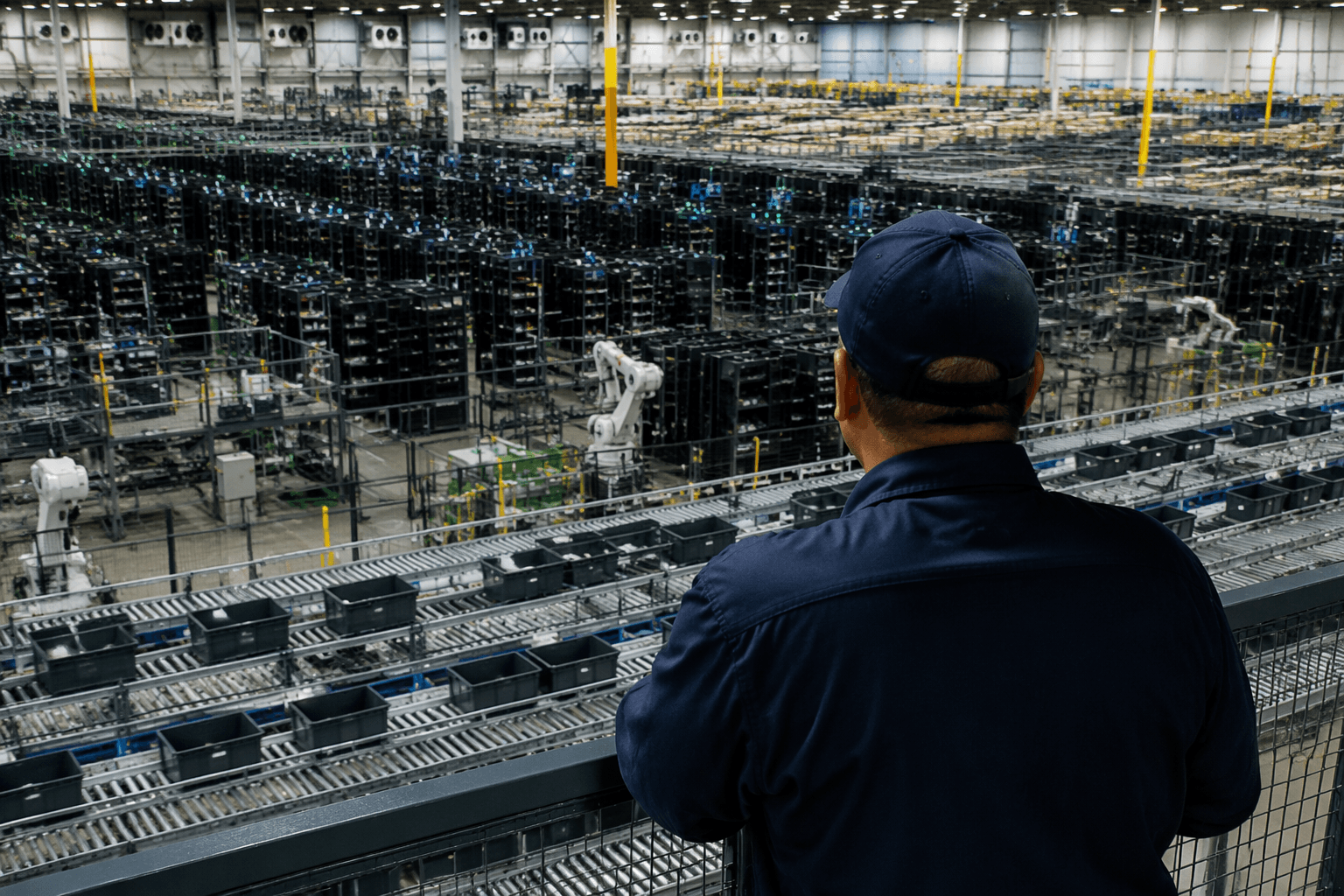
Walmart is expanding Symbotic’s robotics and software platform from 25 regional distribution centers to all 42 in its network. That shift changes more than the warehouse floor: it reshapes when inventory reaches stores, how often replenishment misses happen, and how much time store teams spend chasing out-of-stocks instead of serving shoppers.
The move fits a broader automation push that has been building for years. In April 2023, Walmart said 65% of its stores would be serviced by automation by 2026. In July 2024, the company said it was opening five automated distribution centers and planning to spend about $200 million on autonomous forklifts, while also moving to speed distribution of perishable items through five new warehouses. Walmart’s 2024 annual report said e-commerce sales reached $100 billion, a number that helps explain why the company keeps pressing for faster, more precise flow through its supply chain.
For regional DC associates, full automation changes the job mix as much as the equipment. Automated systems can sort, stage and move merchandise more consistently than manual methods, but they also bring new operating standards, safety procedures, escalation paths and maintenance routines. That means more emphasis on learning software interfaces, following machine-specific processes and meeting productivity targets tied to what the system can process each hour. The warehouse floor does not disappear, but more of it shifts from lifting and sorting to monitoring, troubleshooting and supporting equipment.
The rollout also creates a clearer upskilling path inside Walmart’s logistics network. A common automation platform across all 42 regional distribution centers makes the same systems, procedures and support roles easier to standardize from one site to the next. That matters in a company that operates more than 10,000 stores and employs about 2.2 million associates across 24 countries. Workers who can run, maintain or supervise automated flows will be better positioned for transfers into other automated facilities as Walmart keeps redesigning how product moves through the chain.
The change is already visible in individual facilities. A regional distribution center in Searcy, Arkansas, shifted from mostly manual labor to automation and robotics, and a Walmart warehouse in Brooksville, Florida, had robots working alongside people, with some workers saying the change reduced physical strain. Taken together, the company’s DC retrofit, forklift investment and grocery-focused automation push show that the new system is meant to touch store shelves, warehouse staffing and daily workload across the network, not just one building at a time.
This article was produced by Prism’s automated news system from verified source data, official records, and press releases, then run through automated quality and moderation checks before publishing. The system is built and supervised by the people who set the standards it runs under. Read our full AI policy.
Did this article answer your question?