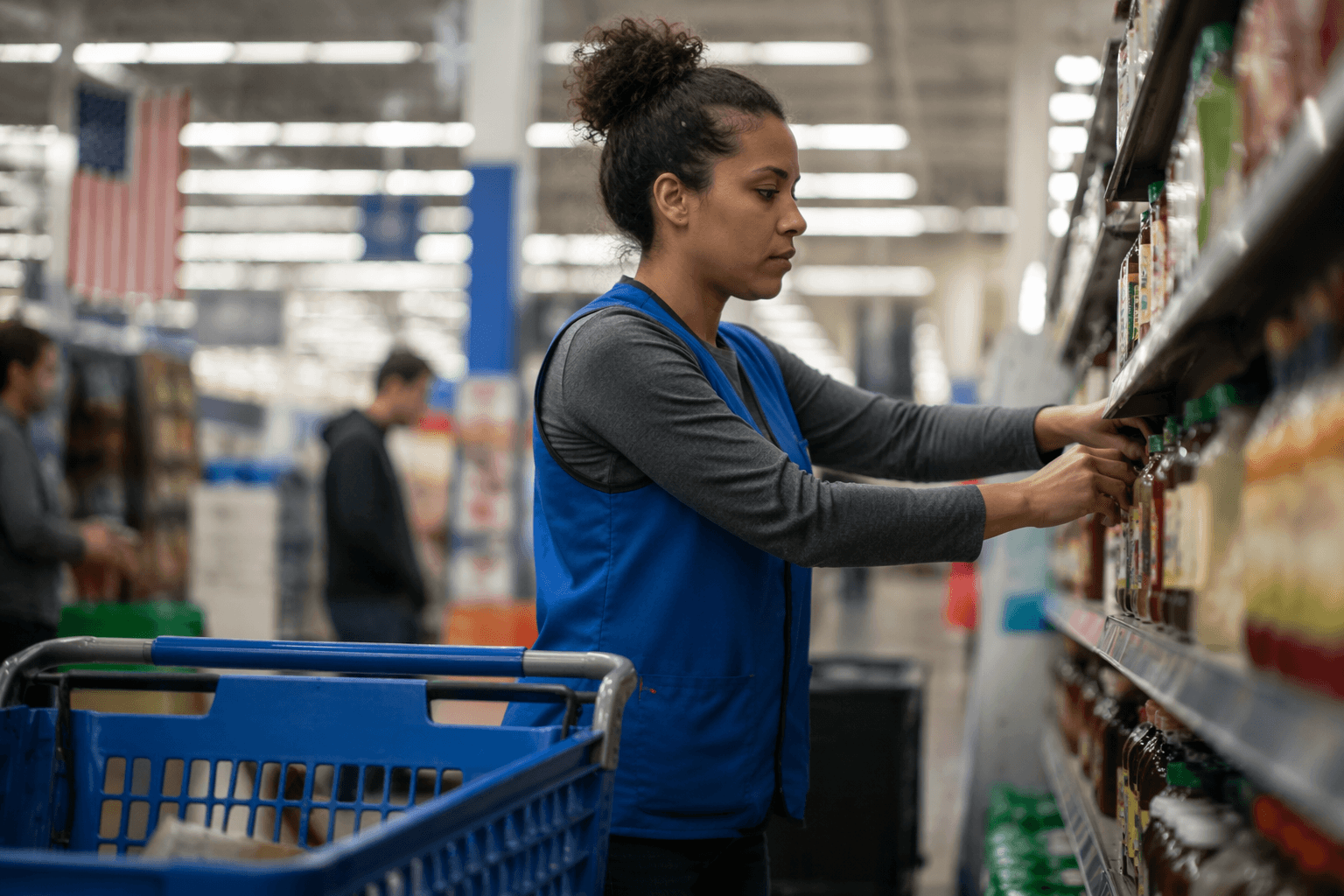
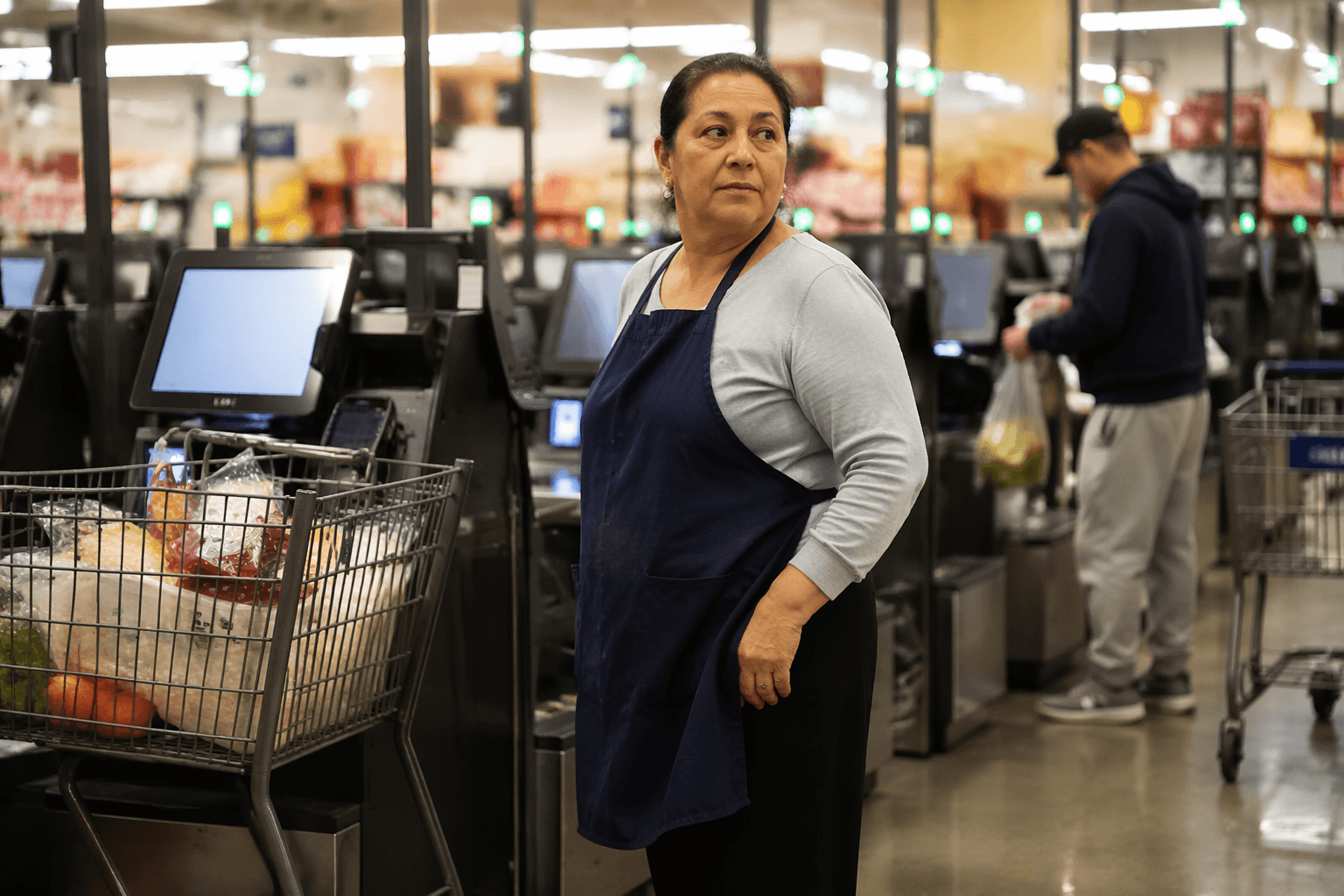
Walmart online deal events shift store labor toward pickup and delivery work
When online deals spike, Walmart labor does not disappear, it shifts into picking, staging, substitutions, and curbside handoffs that can reshape an entire shift.
The work moves instead of disappearing
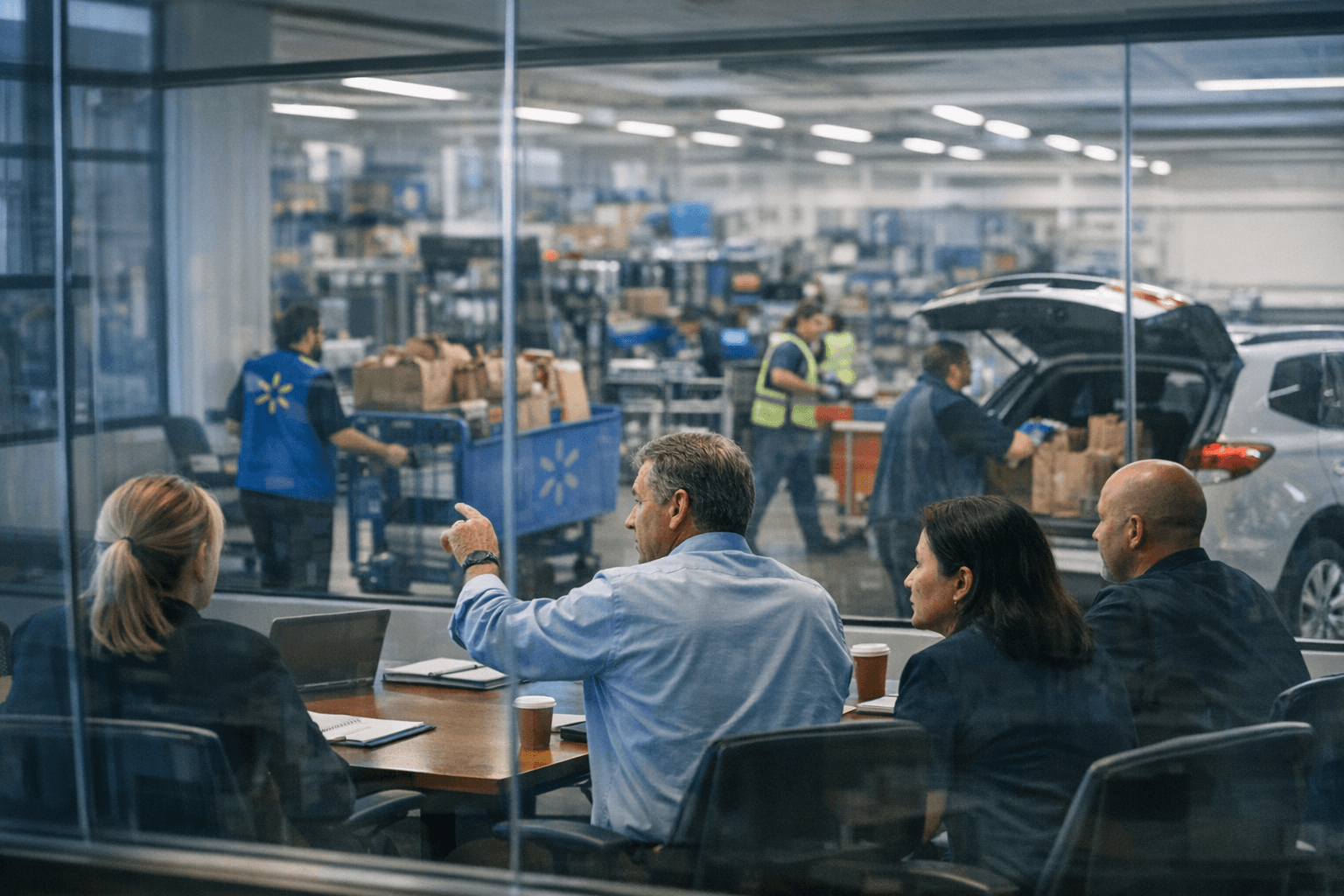
Online deal events change the store even when the sales floor looks busy in the usual way. Once a retailer pushes more traffic into pickup, delivery, and app-based offers, the job does not vanish, it moves into the backroom, the pickup area, and the hands of associates who have to keep orders moving without letting the rest of the building slip.
That is the central lesson for Walmart. A big digital promotion can turn a store into two operations at once: one part serving shoppers who walk in, and another part running a small fulfillment center out of the same square footage. For hourly associates, that means more picking, more staging, more substitutions, more customer communication, and a higher chance that the backroom becomes the pressure point.
Why the store feels different hour by hour
On a normal day, the sales floor is mostly driven by foot traffic and replenishment. During a digital promotion period, the rhythm changes. Labor has to be timed around order volume, staging space, and last-mile expectations, which means the workday can swing quickly from shelf support to order execution and back again.
Early in the day, the focus often lands on picking with accuracy and getting orders staged before the next wave lands. Mid-shift, the pressure shifts to substitutions and communication, because unavailable items can slow the whole chain and create customer frustration. Later in the day, curbside handoffs and delivery deadlines can collide with in-store traffic, leaving associates to juggle customer-facing service while keeping digital orders from piling up.
That hour-by-hour shift matters because it changes what a good shift looks like. It is no longer enough to stock product and keep aisles presentable. The store is also being judged on how quickly it can assemble baskets, keep staging areas organized, and hand off orders without errors.
The split personality inside one building
This is where online deal events become more than marketing. They reshape the cadence of a store and create a split personality inside the building. One group is helping in-store shoppers find products, answer questions, and move through the sales floor. Another group is effectively running a mini-fulfillment operation in the same space, trying to keep orders accurate and on time.
For department managers and assistant managers, the challenge is not choosing one side over the other. It is balancing both worlds without hurting service on either side. If too much labor gets pulled into digital work, the floor can thin out and in-store shoppers feel it. If too much attention stays on the sales floor, pickup and delivery work can back up, which can trigger missed orders, late handoffs, and unhappy customers.
That balancing act is especially hard when staging space is limited. More orders mean more carts, more bins, more product waiting to go out, and more chances for the backroom to clog. When the storage area becomes a bottleneck, the problem does not stay hidden in the back. It shows up in slower fulfillment, more frustration at pickup, and more pressure on associates who are already trying to keep pace.
What managers need to watch first
The most effective managers during these events are not the ones who talk about omnichannel in broad terms. They are the ones who can see the chain reaction before it lands on the floor. If order volume is rising, labor has to follow. If staging space is tight, the store needs a plan before carts and totes start piling up. If substitutions are climbing, associates need clearer communication so customers do not feel like the store is guessing.
Three pressure points tend to decide whether the day feels controlled or chaotic:
- Picking accuracy, because one wrong pull can turn into a substitution, a delay, or a customer complaint.
- Staging efficiency, because orders sitting too long can clog the backroom and slow the next wave.
- Hand-off timing, because pickup and delivery are judged by deadlines the customer can feel immediately.
When those pieces line up, the payoff is clear: faster fulfillment, better customer loyalty, and fewer complaints. When they do not, associates can feel like they are constantly behind, even if they are moving nonstop.
What this means for hourly associates
For hourly associates, the most important takeaway is that online deal days can change your workload even if you are not assigned to the e-commerce team. A sales-floor role can suddenly involve helping keep the digital operation moving, whether that means finding product for a pick path, answering questions about substitutions, or clearing space that the pickup side needs to function.
That shift also makes the job more metrics-driven. The store is not just asking whether the shelf is full. It is asking whether the order made it out on time, whether the customer got a usable substitution, and whether the backroom can absorb the next rush without breaking down. In that sense, omnichannel growth has made floor work more complex and more central to the customer experience than it was when online orders were a smaller piece of the business.
The bigger retail lesson is straightforward: pickup and delivery are not side businesses anymore. They are part of the core operating model, and workers feel that shift every day in where they spend their time. At Walmart, online deal events make that visible in real time, as the store tilts from a traditional shopping floor toward a tighter, faster, more divided operation that depends on the people inside it to keep both halves from colliding.
This article was produced by Prism’s automated news system from verified source data, official records, and press releases, then run through automated quality and moderation checks before publishing. The system is built and supervised by the people who set the standards it runs under. Read our full AI policy.
Did this article answer your question?