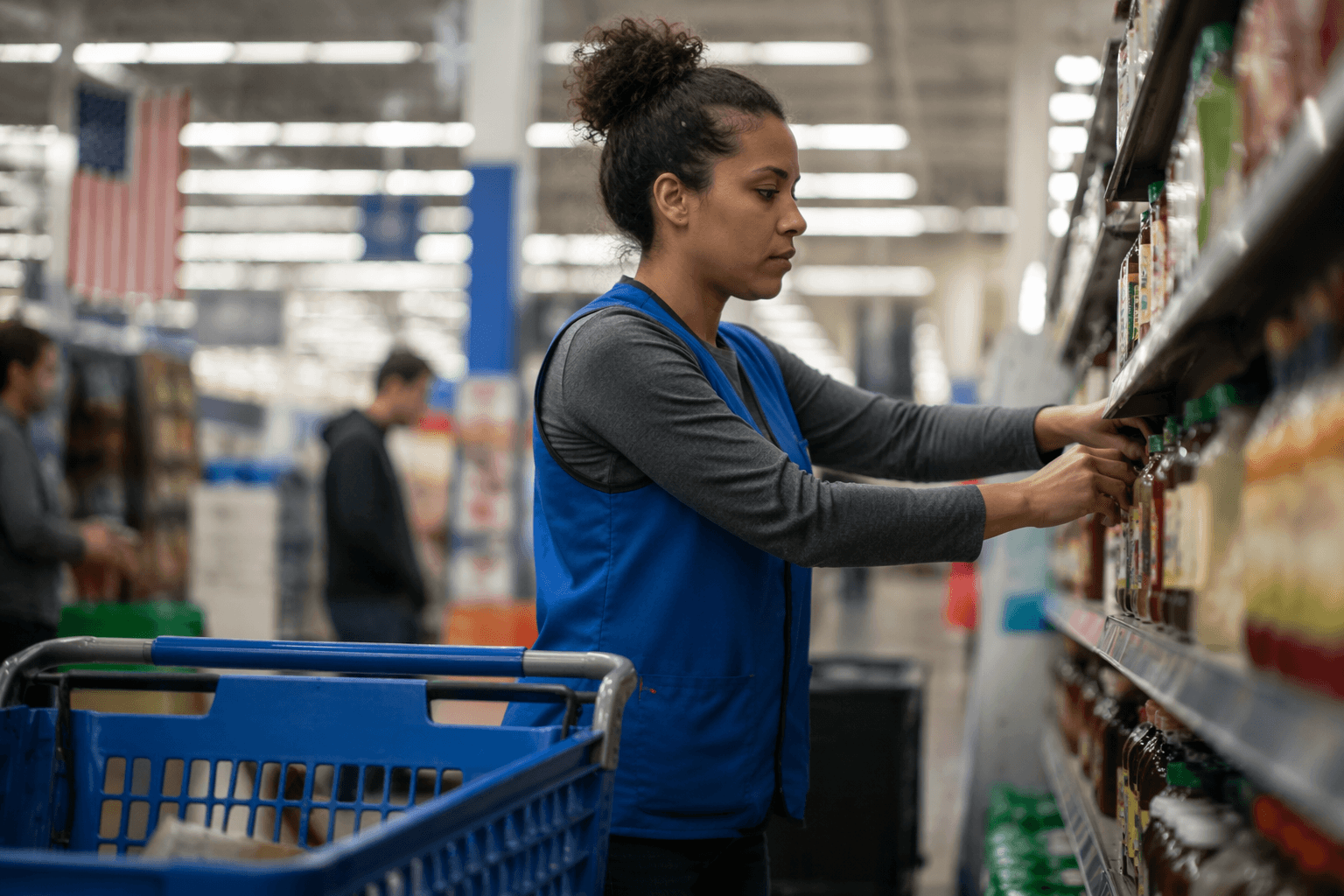
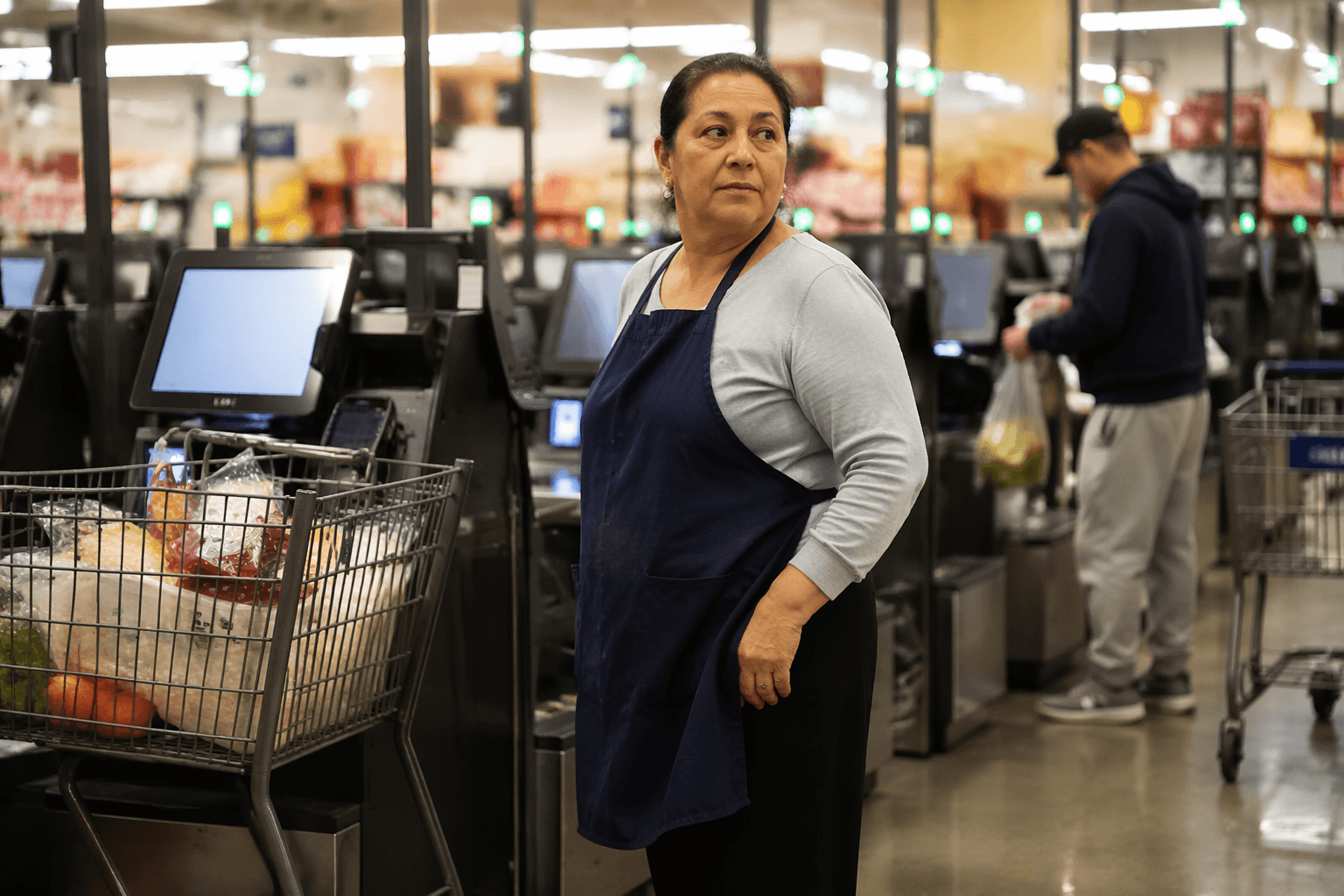
Walmart opens Walmart.com to Mexico with cross-border shipping
Walmart.com’s Mexico launch gives shoppers hundreds of thousands of items, but it also signals a bigger cross-border fulfillment push for stores, supply chain and digital teams.
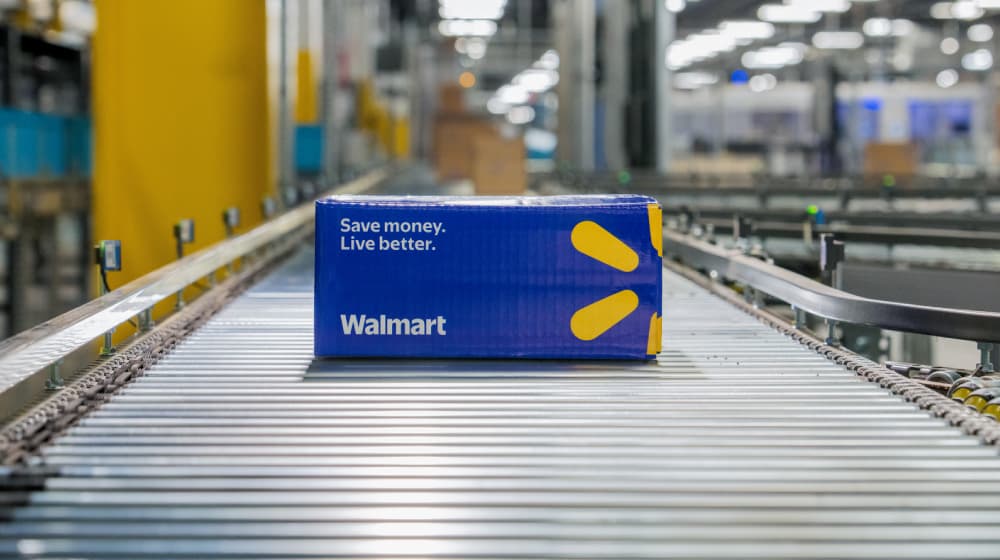
Walmart’s move to open Walmart.com to customers in Mexico is less about a new market splash than about how the company wants inventory, pricing and fulfillment to work across borders. The retailer said Mexican shoppers can now browse hundreds of thousands of eligible items in apparel, home, electronics and other categories, making Mexico the first international market to get direct access to this expanded online assortment.
For workers inside Walmart, the important shift is operational. Walmart said estimated duties, taxes and fees will be shown at checkout, while shipping and customs clearance will be handled through established international carriers. That means the company is trying to make the landed price visible before the order is placed, a setup that puts more pressure on merchandising, fulfillment accuracy, customs coordination and customer support to work cleanly the first time. Walmart is also offering a limited-time free-shipping promotion on eligible orders of $35 or more shipping to Mexico, a sign that it wants to push adoption quickly.
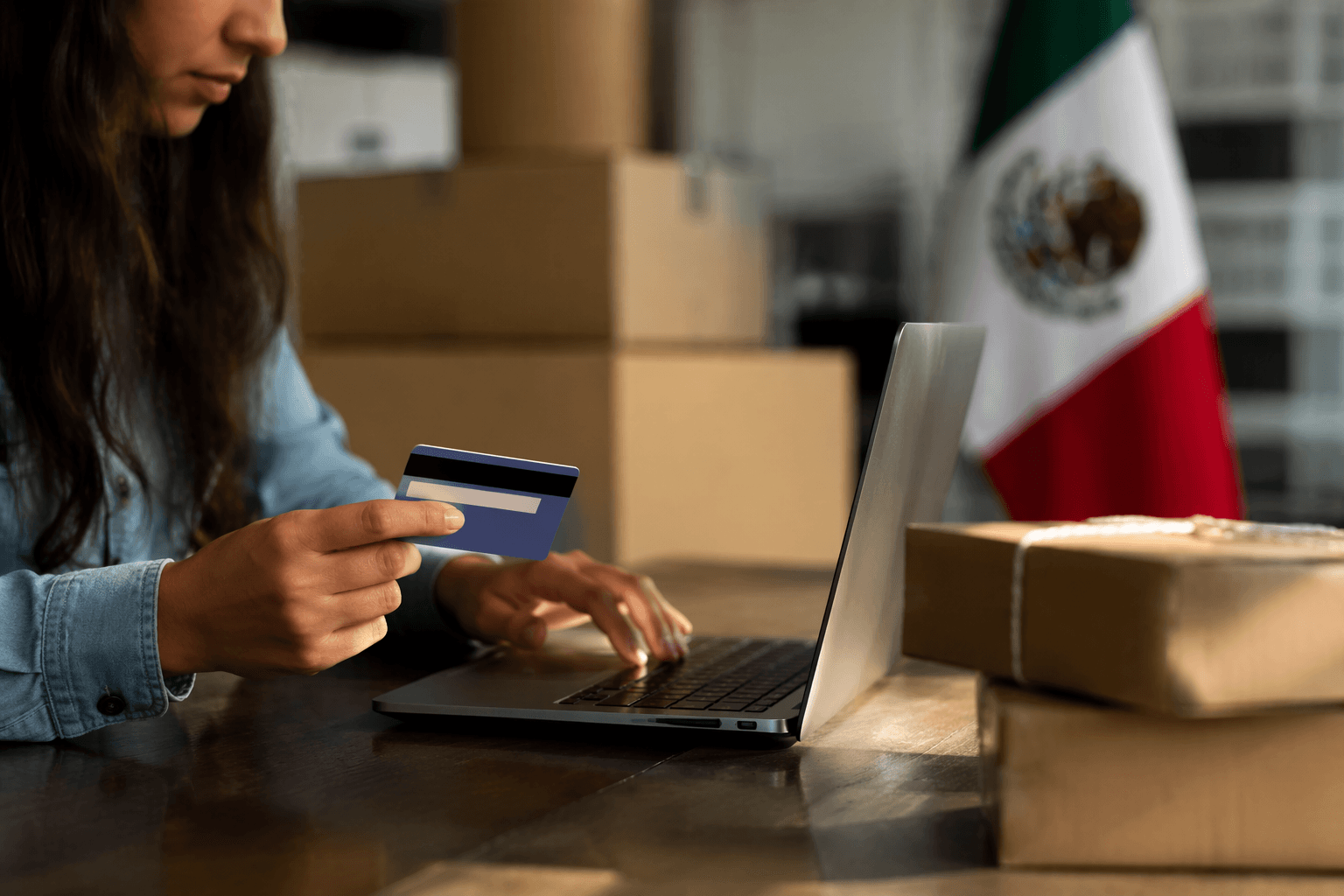
The launch lands on top of an already massive local business. Walmart Mexico is the largest retail company in the country, with more than 3,300 stores as of April 30, 2026, operating under banners including Bodega Aurrera, Sam’s Club, Walmart Express and Walmart Supercenter. The company said its first store outside the United States opened in Mexico in 1991, when it launched a Sam’s Club in Mexico City. That gives this rollout a different feel than an entry from scratch: Walmart is layering cross-border e-commerce onto a long-established store and supply network that already shapes shopping habits across the country.
That matters for associates and managers because Walmart’s strategy increasingly depends on connecting physical stores, marketplace sellers and digital demand into one system. The company said it plans to expand international shipping to additional markets in the future, suggesting that Mexico is a test case for a broader model. For stores, that can affect which categories get attention, how orders move through the network and how teams explain online assortment, price transparency and delivery expectations to customers comparing options across borders.
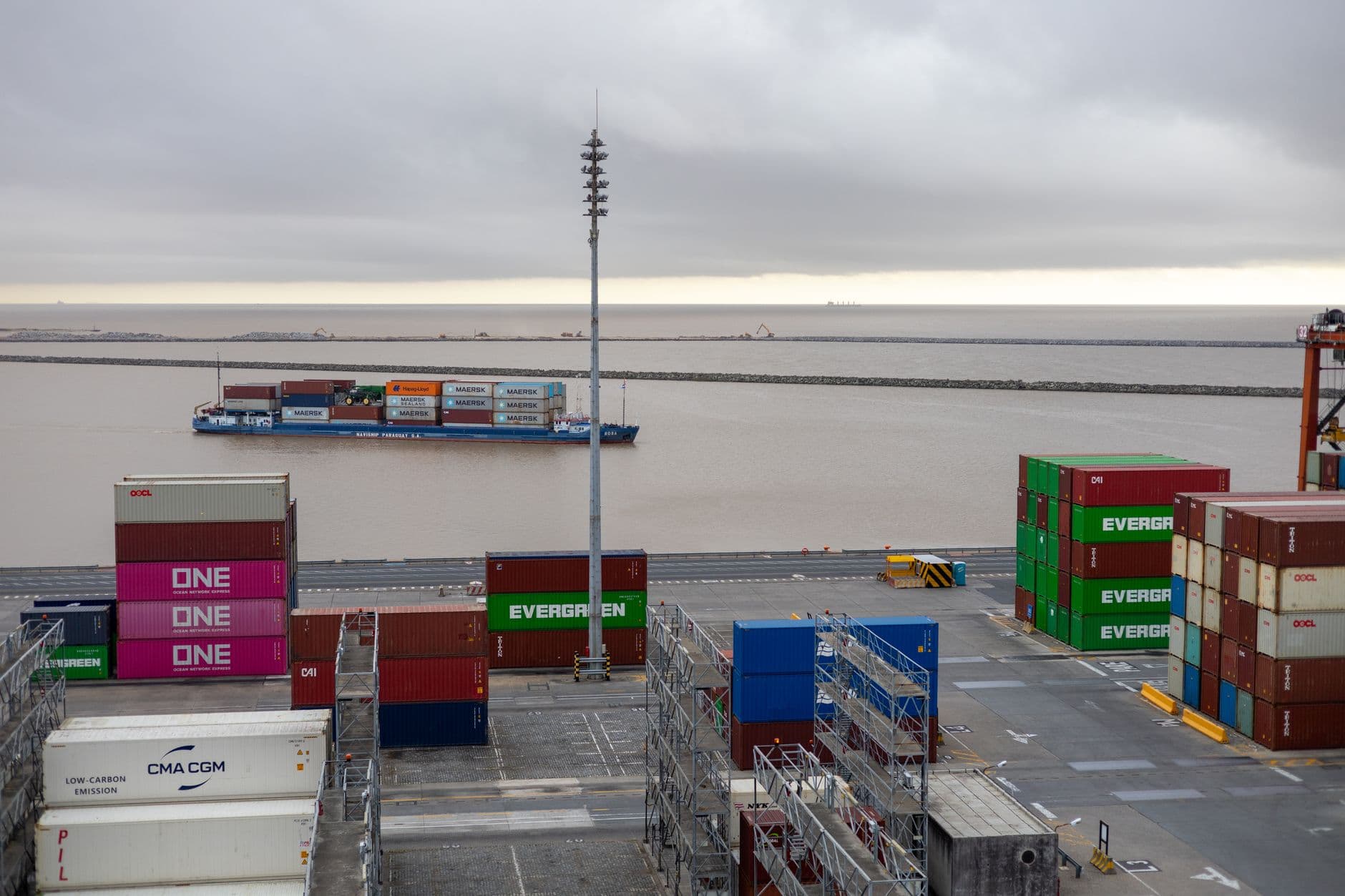
The timing also fits Walmart’s larger financial picture. The company reported fiscal 2026 revenue of $713 billion and said global eCommerce grew 24% in the year, underscoring how central digital growth has become to the business. Mexico’s customs rules add another layer, with the U.S. International Trade Administration noting that documentation, tariff classification, valuation, licensing and compliance all factor into cross-border movement through the National Customs Agency of Mexico and the Tax Administration Service. For Walmart, the message is clear: the next phase of growth is not just more sales, but a more tightly managed marketplace built on fast inventory flow, clear pricing and fewer surprises at checkout.
This article was produced by Prism’s automated news system from verified source data, official records, and press releases, then run through automated quality and moderation checks before publishing. The system is built and supervised by the people who set the standards it runs under. Read our full AI policy.
Did this article answer your question?