Walmart pushes supplier labor standards, audits and responsible recruitment by 2026
Walmart’s supplier rules reach beyond the sales floor: audits, traceability, and recruitment standards are meant to protect workers, keep goods moving, and catch problems before they hit stores.

Walmart’s supplier rules are not just a distant ethics statement. They are a system meant to govern how product gets made, who gets hired, and what happens when a supplier falls short. For store associates and managers, that matters because labor problems upstream can turn into empty shelves, quality issues, and customer complaints downstream.
What Walmart says suppliers must meet
At the center of the company’s approach is its Human Rights Statement and Standards for Suppliers, which Walmart says apply to anyone supplying product to the company, including agents and, in some guidance, suppliers, subcontractors, and factories across the supply chain. The standards require compliance with laws and agreements covering compensation and work hours, a safe work environment, and a ban on involuntary labor and underage labor.
Walmart is explicit about what it means by involuntary labor. Its materials say the standards prohibit underage, forced, coerced, bonded, involuntary prison, exploited, trafficked, and indentured labor. The company also says those standards are built into supplier agreements, which turns them from a policy statement into a contractual requirement.
That distinction matters. Walmart is not just saying suppliers should behave well. It is saying labor compliance is part of doing business with the company, and the rules are broad enough to reach beyond a single factory floor to the wider network that gets product into the chain.
How Walmart checks compliance
Walmart says it does not rely on self-attestation alone. Its system includes third-party social and safety audits, investigations into non-compliance, and a risk-based approach that focuses more attention on higher-risk geographies and activities. The company also says it reserves the right to audit or inspect suppliers’ books, records, and facilities at any time.
That is the accountability gap in plain terms: Walmart says the standards are not enough on paper unless it can verify them in practice. Its California Transparency in Supply Chains disclosure says responsible sourcing requires more than monitoring facilities for compliance, which signals that the company views audits as one tool, not the whole answer.
The company also says worker grievance mechanisms are part of the picture, including the Walmart Ethics hotline. For managers, that is a reminder that supplier oversight is supposed to be ongoing. A system built only on periodic certification would miss issues that surface later, or problems workers are afraid to raise unless there is a channel to do it.
Why the recruitment standard matters now
Walmart says its Responsible Sourcing program began in 1992, making it one of the company’s longest-running formal supply-chain labor efforts. The newer focus is responsible recruitment, and Walmart says it wants responsible recruitment to become the standard business practice by 2026. The company ties that goal to the Employer Pays Principle, which is meant to prevent workers from being charged recruitment fees that can lead to debt and coercion.
That is a big shift from simple factory auditing. Recruitment fees can trap workers before they ever reach the job, which is why Walmart’s own materials frame responsible sourcing as a labor-rights issue that starts before the first shift. In practice, that means the company is trying to influence not just working conditions, but the pathway workers take to get hired in the first place.
Walmart.org says the effort is meant to protect worker dignity and align with the company’s values of serving customers, respecting people, striving for excellence, and acting with integrity. In other words, Walmart is presenting sourcing as a values issue, but also as a business necessity.
What the compliance hub shows about the system
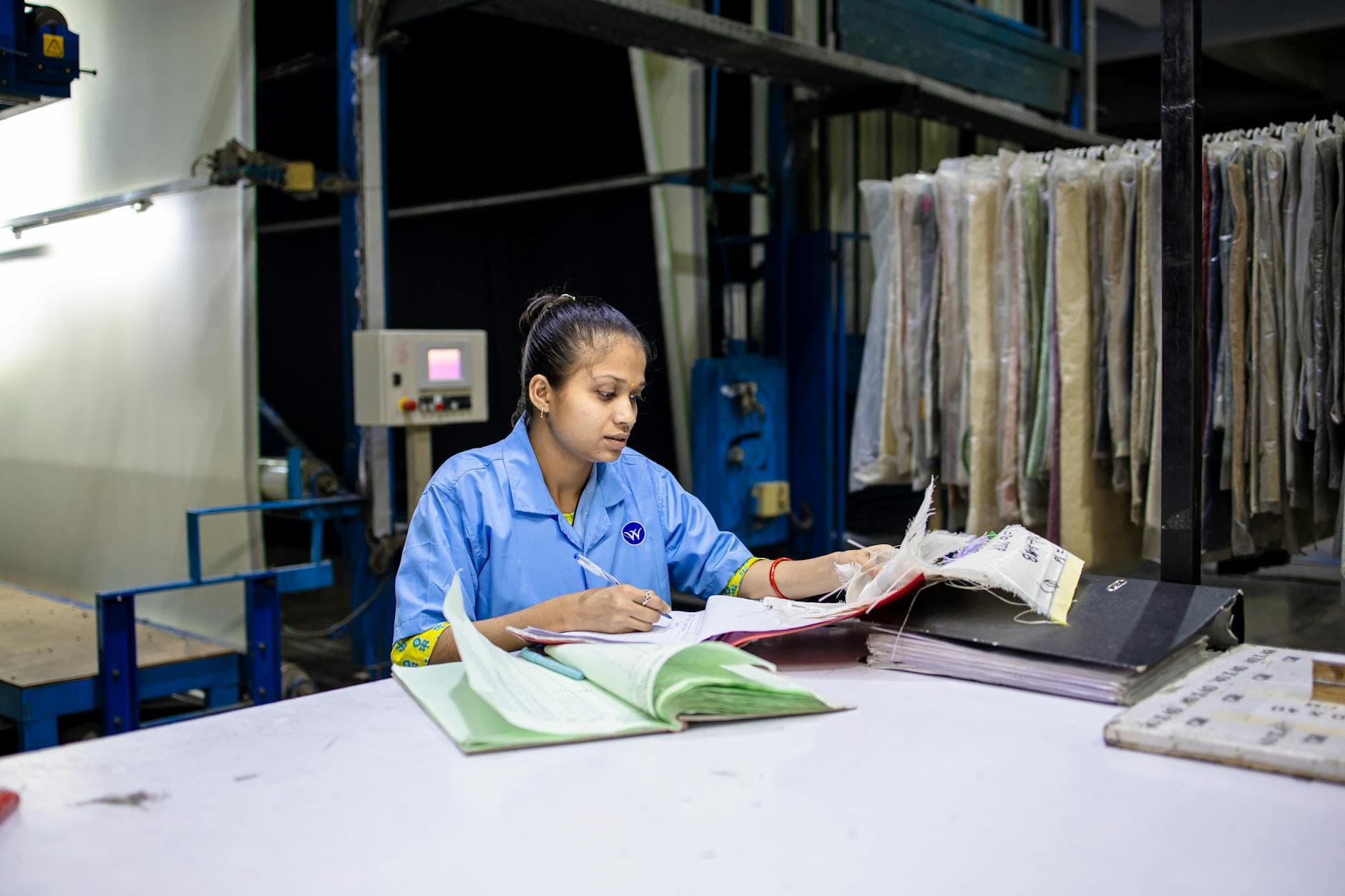
Walmart’s Responsible Sourcing Compliance Hub pulls several pieces together: the Standards for Suppliers, Responsible Recruitment, and Supply Chain Traceability Requirements, plus resources, training, and a facility disclosure workflow. That matters because it shows the program is not a one-off audit checklist. It is a structure for keeping track of who is making what, where it is coming from, and whether the labor conditions behind it fit Walmart’s rules.
Supplier transparency is treated as foundational to Walmart’s Global Ethics & Compliance program. That is a meaningful detail for anyone trying to understand how the company manages risk: if Walmart does not know where production is happening, it cannot confidently check labor conditions, investigate red flags, or respond when something goes wrong.
The company’s stated emphasis on traceability also helps explain why supplier labor standards are tied to buying practices, not just factory behavior. Walmart is signaling that where product comes from and how clearly that supply chain can be mapped are part of the same accountability system.
How the rules reach merchants and sourcing teams
Walmart says merchants and sourcing associates receive onboarding and training on forced labor, health and safety, and category-specific risks. The company also says it uses KPIs and Health Check Reports to identify the highest-risk supply chains and push improvements. Its Responsible Sourcing Business Enablement teams work with buyers and sourcing hubs to integrate responsible sourcing into merchant strategy and supplier engagement.
That is important because it shows the program sits inside procurement, not off to the side as a legal or public-relations function. If a buying team is choosing products from a supplier with weak controls, that decision can shape the risk profile of the entire chain. Walmart’s own framework suggests the answer is supposed to come from inside the merchandising process, where sourcing, pricing, and compliance meet.
For store-level workers, that may sound abstract. It is not. When upstream labor systems break down, the effects can show up as inconsistent availability, product problems, or compliance issues that eventually land in the store and on the manager’s desk.
Why associates should care
Walmart’s published framework is really about protecting the flow of goods and the trust that sits underneath it. If a supplier is under pressure, the problem is not only moral. It can also become operational, affecting product quality, continuity, and the customer experience associates deal with every day.
The bigger message is that Walmart is trying to extend the same themes it uses internally, safety, integrity, and accountability, into its supply base. The company says it wants labor standards to be part of how it buys, not just how it manages its own payroll. For associates, that means the company’s worker-rights stance is not limited to the break room, the backroom, or the store floor. It stretches upstream to the people making the products Walmart sells, and it depends on audits, traceability, recruitment rules, and enforcement to hold together.
This article was produced by Prism’s automated news system from verified source data, official records, and press releases, then run through automated quality and moderation checks before publishing. The system is built and supervised by the people who set the standards it runs under. Read our full AI policy.
Did this article answer your question?