Walmart Rolling Out Digital Shelf Labels Across 2,300 U.S. Stores
Walmart is rolling out digital shelf labels to 2,300 U.S. stores by 2026, cutting price-update work from two days to minutes while nudging shoppers to spend more.
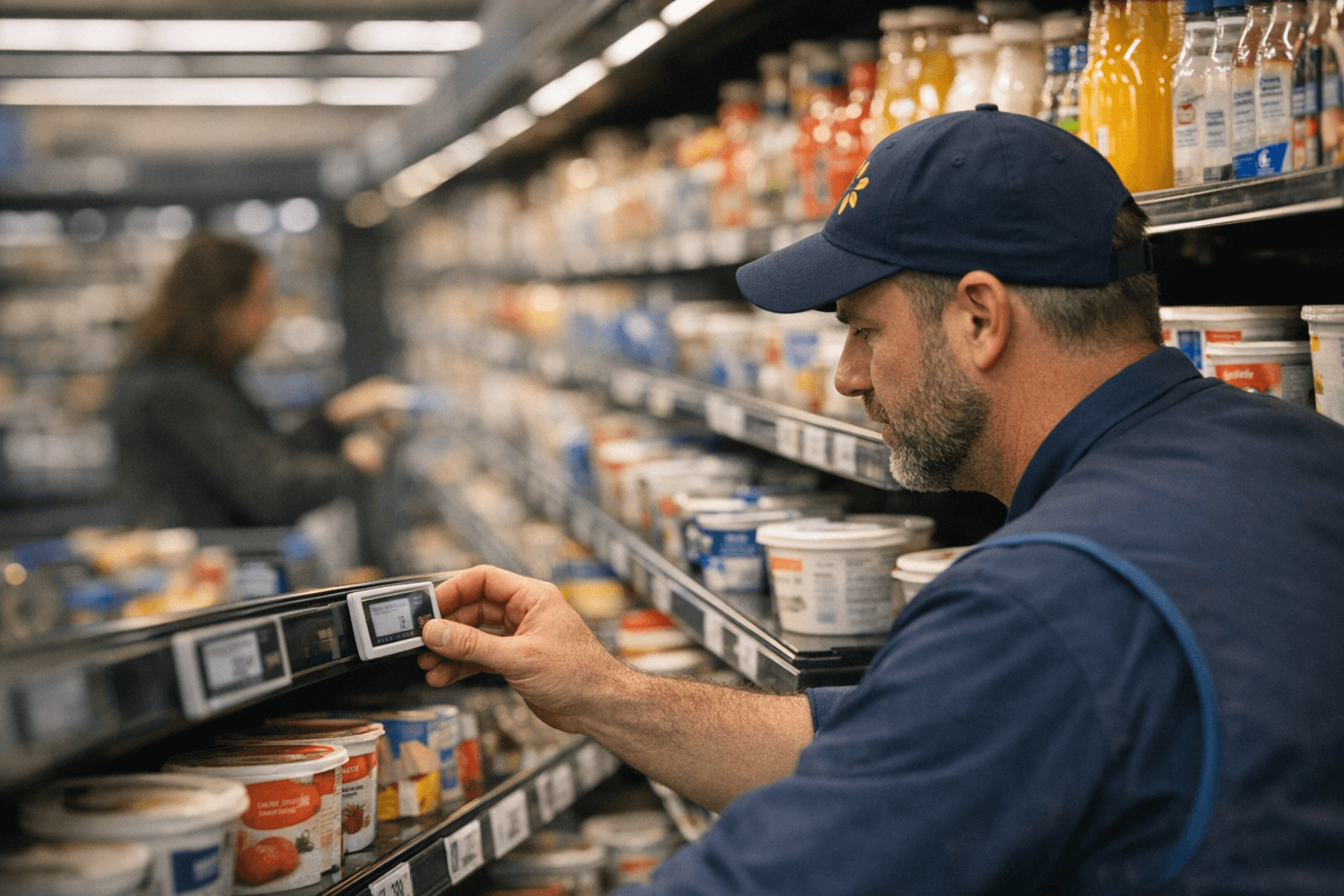
Walmart is in the middle of one of its largest in-store technology deployments in years, installing digital shelf labels across 2,300 U.S. locations by the end of 2026. The retailer announced the plan in mid-2024, and while some stores are already running the technology as live tests, the bulk of the rollout is now underway.
The labels, sometimes called electronic shelf labels, replace the paper price tags that have defined retail floors for decades. The operational case is straightforward: updating prices store-wide currently requires an employee up to two days of physical work. With digital shelf labels, that same task takes a few minutes. For a company the size of Walmart, that shift in labor hours adds up fast across thousands of locations.
But the pricing efficiency play is only part of the picture. Walmart is simultaneously pushing deeper digital integration through its app, and the company's own data suggests the strategy is working on the spending side. In an October 2025 company statement, Tracy Poulliot, Walmart's Senior Vice President of Shopping Experiences, said "when customers use the app while they shop in stores, they spend 25% more on average." That figure gives the broader technology push a clear profit motive alongside the operational one.
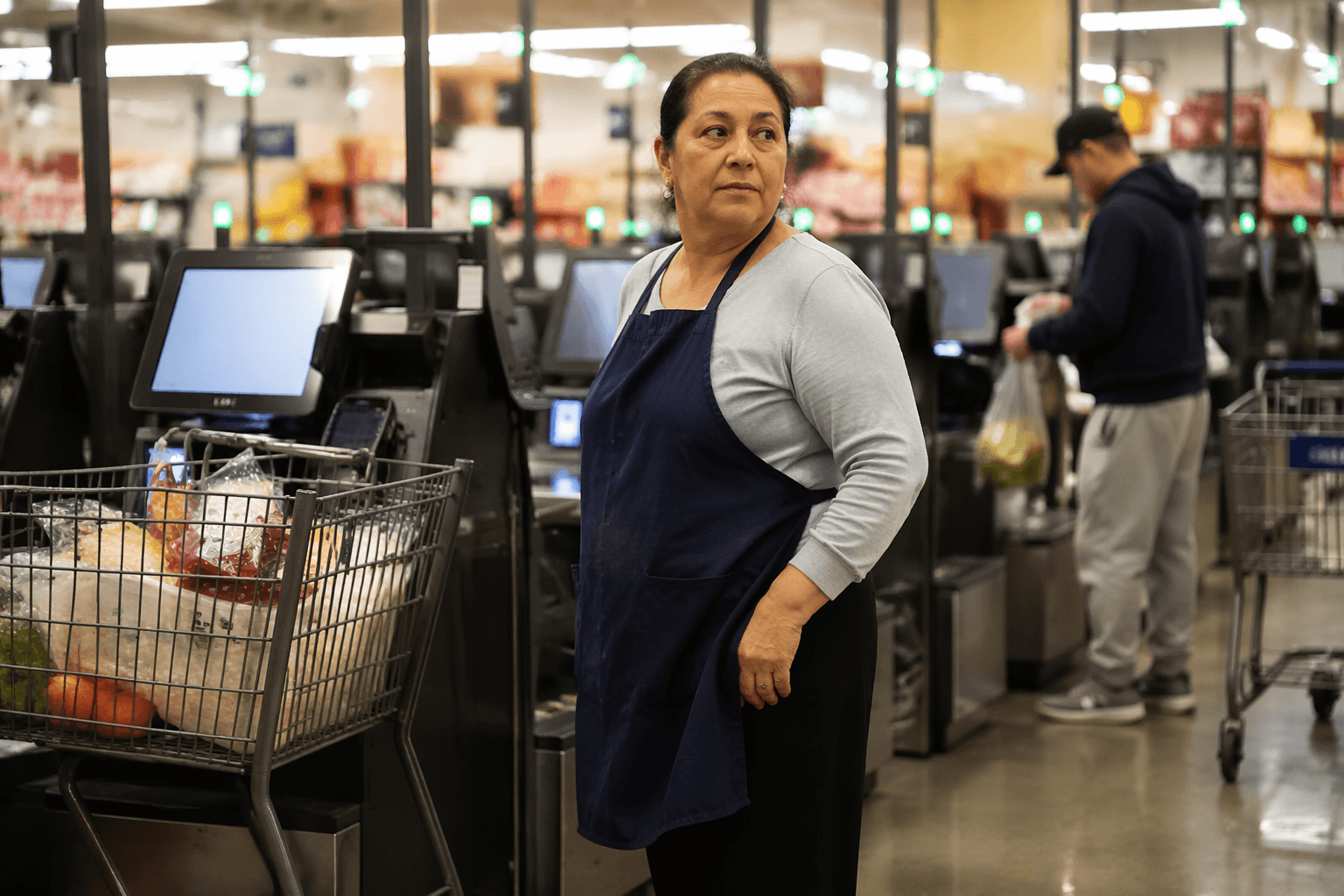
Poulliot's quote is worth sitting with. Walmart has rolled out AI-powered tools within its app specifically aimed at enhancing the in-store experience, and some locations have already reduced the number of self-checkout lanes, a shift that workers and regular shoppers have noticed on the ground. These moves are being packaged as customer-experience improvements, and some of them genuinely are. But the 25% spending lift from app-engaged shoppers tells you what Walmart's internal calculus looks like.
The company is also navigating a leadership transition, with a new CEO coming in as part of its broader 2026 changes. That kind of executive shift rarely filters down to the store floor immediately, but it does set the tone for which operational bets get accelerated and which get reconsidered.
For the associates who manage pricing and inventory, digital shelf labels represent a real change in daily workflow. What that means for staffing levels, and whether the labor time freed by DSLs gets reinvested in floor coverage or simply absorbed into leaner headcounts, is a question Walmart has not publicly answered in detail.
The 2,300-store target represents a substantial share of Walmart's U.S. footprint. Whether the rollout stays on schedule through the rest of 2026 will be a signal of how seriously the company is prioritizing store-level digitization against other competing capital demands.
This article was produced by Prism’s automated news system from verified source data, official records, and press releases, then run through automated quality and moderation checks before publishing. The system is built and supervised by the people who set the standards it runs under. Read our full AI policy.
Did this article answer your question?