Walmart says 30-minute delivery is reshaping everyday shopping habits
Diapers, cold medicine and meal ingredients are now showing up in Walmart's 30-minute orders, turning stores into race-against-the-clock fulfillment hubs. For associates, every missing item now matters faster.
Diapers, cold medicine and meal ingredients are now showing up in Walmart’s 30-minute orders, turning stores into race-against-the-clock fulfillment hubs. That shift gives order pickers, stockers and department managers less room for error, because a bad shelf count or a slow substitution can break a promise measured in minutes, not hours.
Walmart said faster delivery is changing how customers shop, with more people using 30-minute service for everyday needs rather than occasional big baskets. On its May 21 earnings call, the company said it could reach 60% of the U.S. population in 30 minutes or less. It also said U.S. store-based delivery sales had more than doubled over the past two years, and delivery options under an hour had become its fastest-growing fulfillment categories.
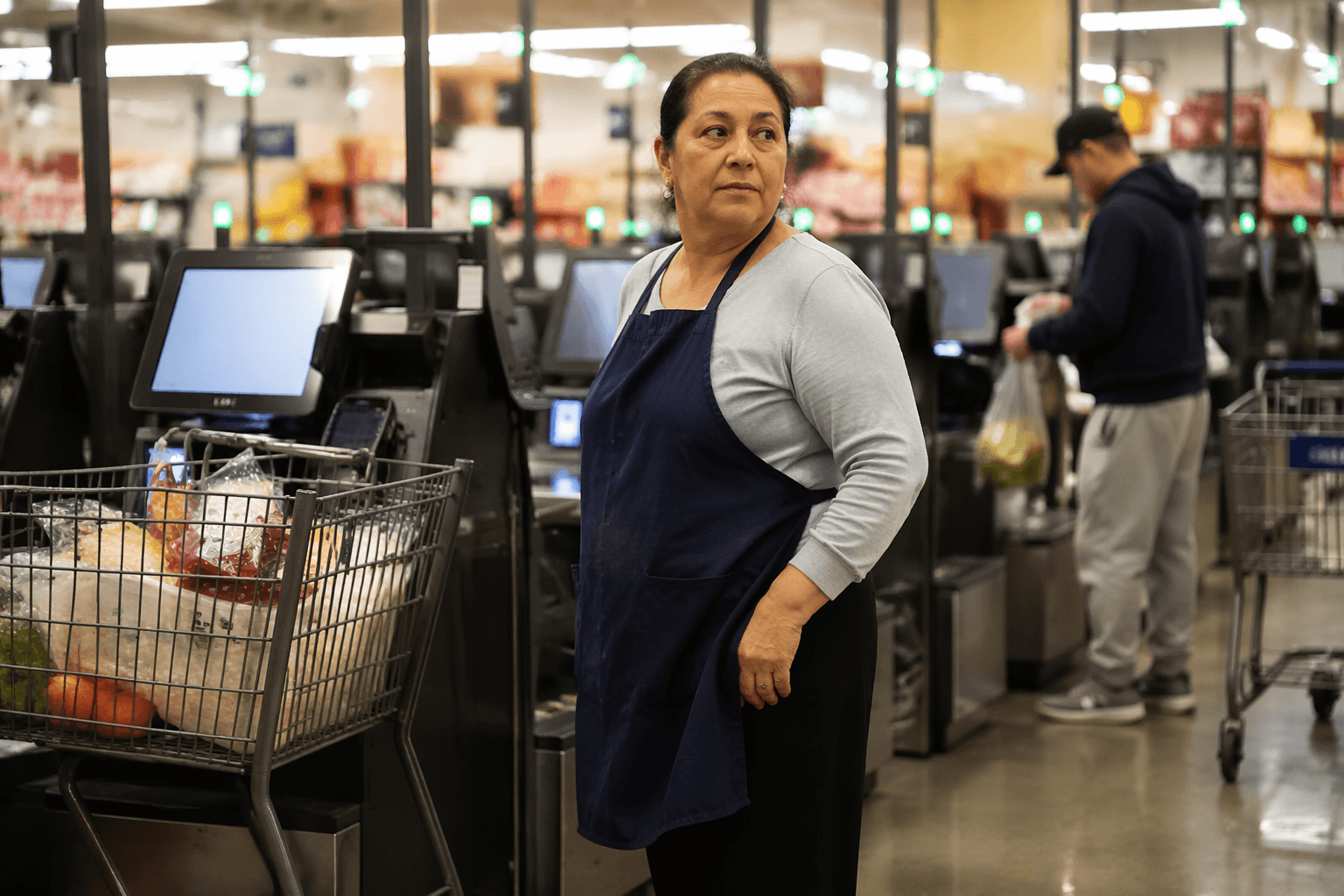
That matters on the sales floor because it changes what the store is for. Walmart built its business on low prices and stock-up trips, but the new pattern asks stores to work like rapid-response fulfillment engines. When a shopper needs diapers for a same-day emergency, cold medicine for a sick child or ingredients for dinner, the app has to be accurate, the shelf has to be stocked and the picker has to move fast enough to keep the order alive.
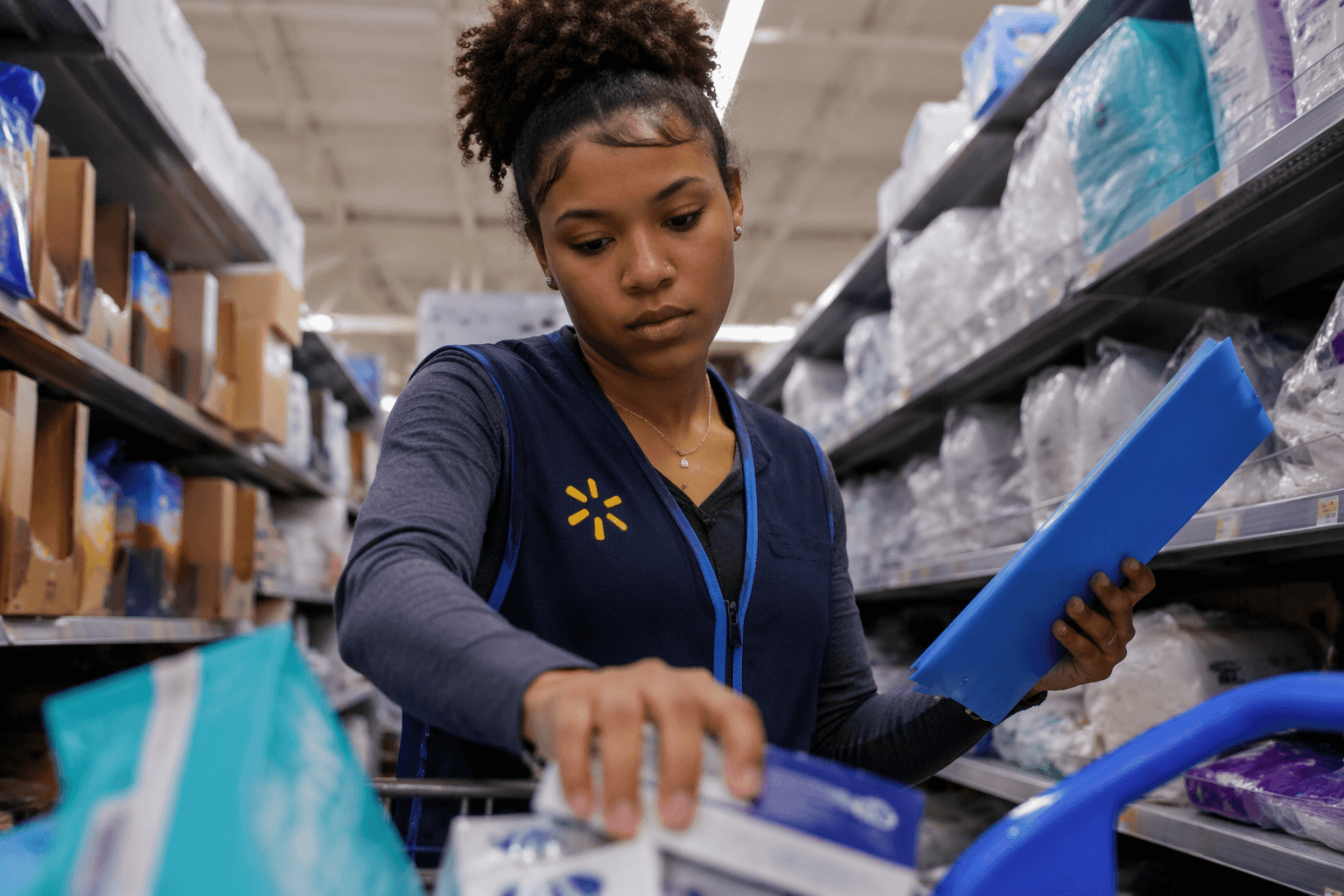
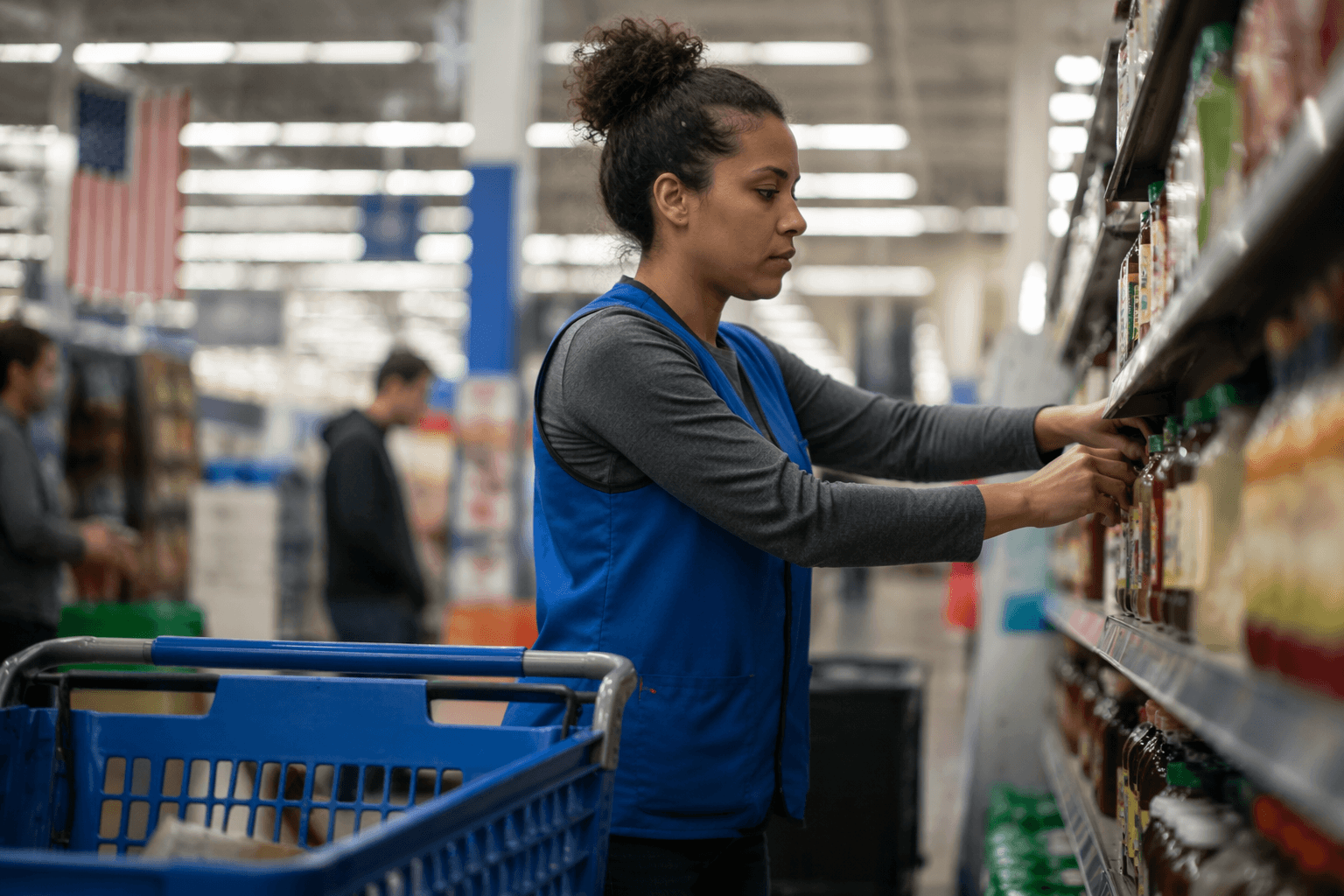
For associates, the operational pressure is obvious. Backrooms have to stay organized, inventory has to match what customers see in the app and substitutions have to be reasonable enough that the order still feels useful. Department managers and assistant managers are left balancing walk-in traffic with digital demand that cannot wait. In practice, that means the store is no longer just serving customers who are browsing aisles; it is serving customers who expect the building to function like a same-day logistics node.
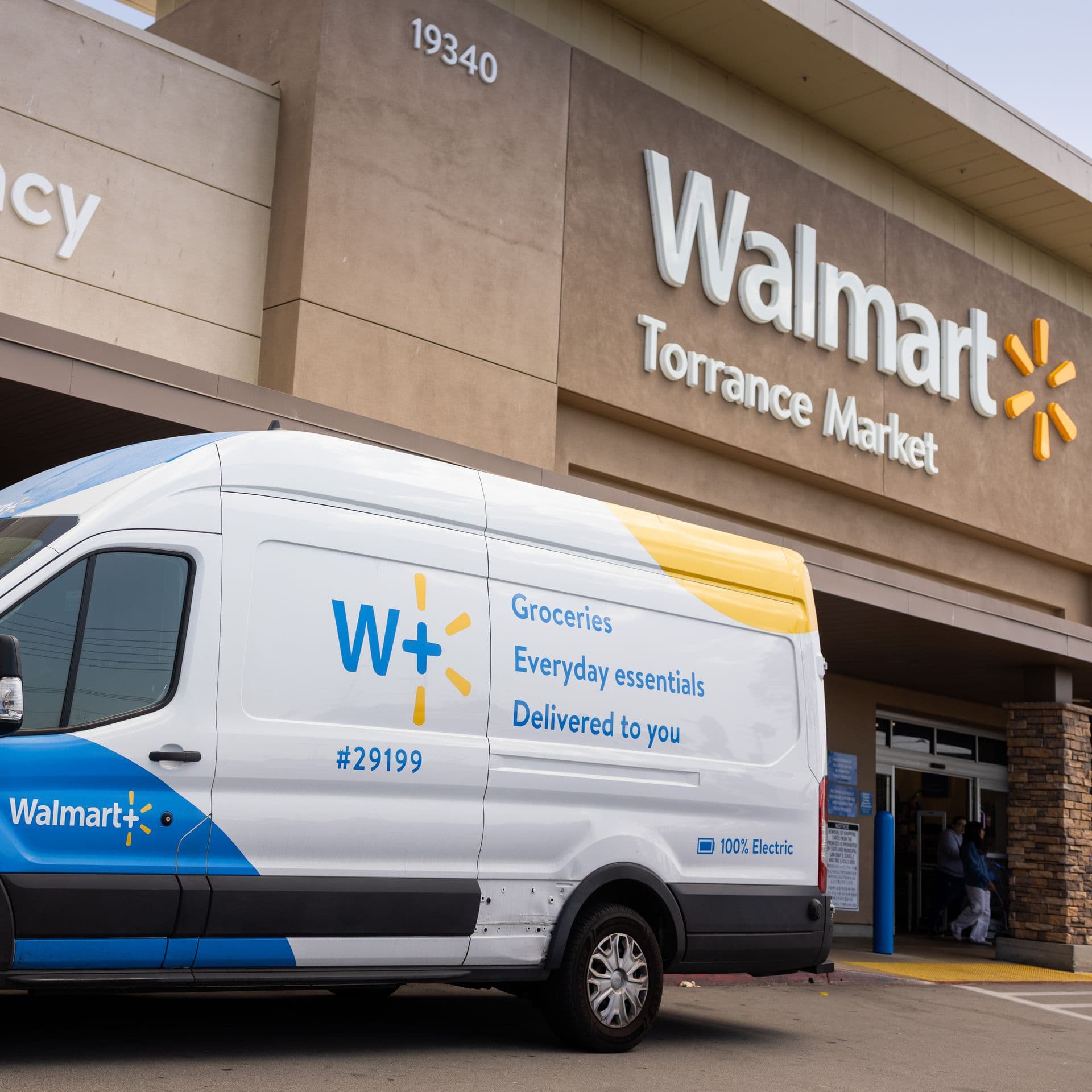
Walmart has been building toward that model for years. In 2024, the company said Express Delivery in as soon as 30 minutes was available from its stores and that same-day delivery reached more than 4,000 stores. By February 2025, Walmart said it could reach 93% of U.S. households with same-day delivery, and in April it said a geospatial delivery model expanded access to 12 million more households. In June 2025, Walmart said it had completed more than 150,000 drone deliveries since launching the service in 2021 and planned to expand drone delivery to five new U.S. cities.

The takeaway for store operations is simple: speed is no longer a side feature. It is becoming part of the job itself, and the stores that keep shelves, staffing and inventory tight enough to support it will be the ones that can compete on more than price alone.
This article was produced by Prism’s automated news system from verified source data, official records, and press releases, then run through automated quality and moderation checks before publishing. The system is built and supervised by the people who set the standards it runs under. Read our full AI policy.
Did this article answer your question?