Walmart says lower-income shoppers are showing signs of stress, shares fall
Fewer than 10 gallons at Walmart gas stations is now a stress signal, and Walmart’s own forecast suggests shoppers may keep trading down as fuel and food costs bite.

Fewer gallons at Walmart gas stations are becoming a warning light for the rest of the store. Chief Financial Officer John David Rainey said customers have recently been filling up with less than 10 gallons for the first time since 2022, calling it “an indication of stress” as lower-income shoppers grow more budget-conscious and, in some cases, may be navigating financial distress.
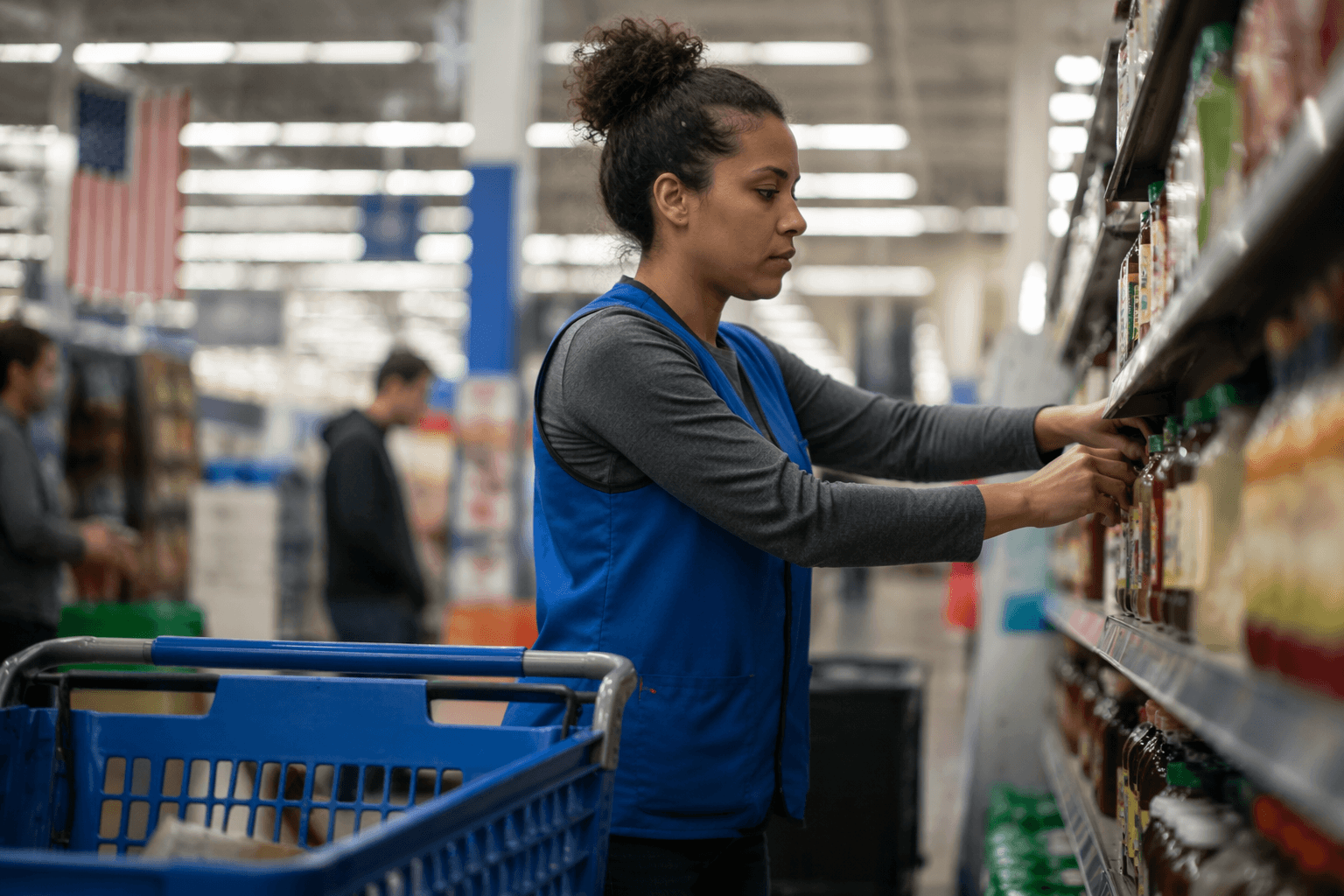
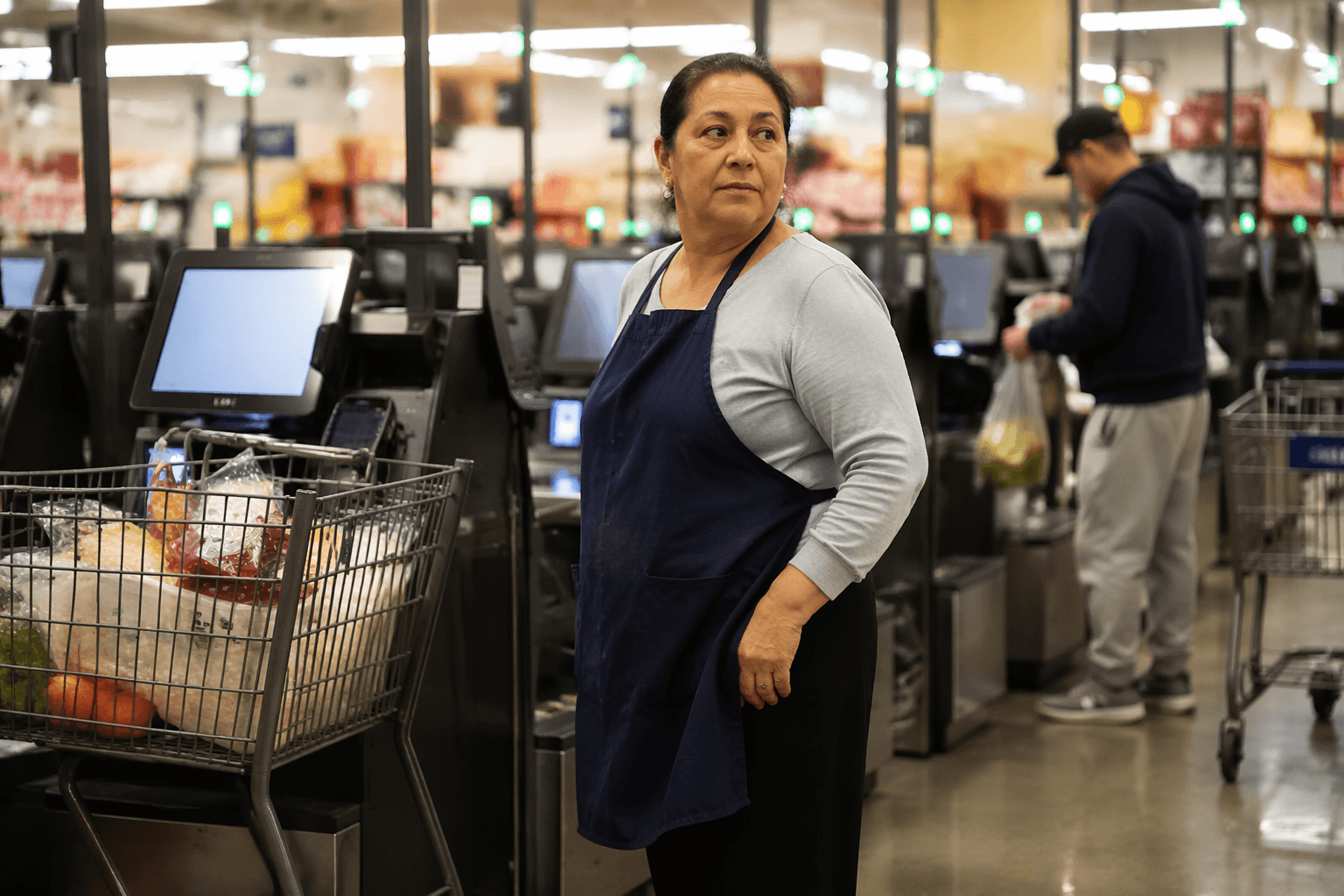
That matters on the sales floor because Walmart is often the first place households cut back before they stop shopping altogether. Smaller fuel purchases can show up later as smaller baskets in groceries, fewer impulse buys in general merchandise, and more demand for the cheapest private-label items, especially when consumers are already feeling squeezed by food and fuel. Walmart’s executives said high-income customers are still spending with confidence, but the company is seeing a sharper split between that group and lower-income shoppers watching every dollar.

The company’s outlook gave investors another reason to worry. Walmart said it expects adjusted earnings per share of 72 cents to 74 cents for the fiscal second quarter, below Wall Street’s 75-cent estimate, and it kept its full-year target for fiscal 2027 at $2.75 to $2.85, also below expectations for $2.91. Shares fell about 7% in morning trading after the forecast. For store managers, that kind of guidance usually translates into closer scrutiny of labor costs, tighter attention to shrink and a harder push to keep shelves full without letting expenses drift.

Walmart still posted a strong quarter on paper, with revenue up 7.3% to about $177.8 billion and U.S. comparable sales up 4.1% excluding fuel. But higher fuel prices cut operating income by about $175 million, and Rainey said tax refunds had softened some of that pressure in the first quarter. He warned that the burden could reappear in the second quarter as those refunds fade, and that if fuel stays elevated, retail price inflation could rise later in the year.
That backdrop helps explain why Walmart is leaning even harder into value. The company says it is gaining share as shoppers choose Walmart for groceries and essentials, while higher-income customers keep spending and lower-income households keep pulling back. With consumer sentiment at a record low in May and gas near $4 a gallon, store teams could feel the difference in every aisle, from smaller baskets at checkout to more pressure on managers to meet sales targets without assuming shoppers have room to spend like they used to.
This article was produced by Prism’s automated news system from verified source data, official records, and press releases, then run through automated quality and moderation checks before publishing. The system is built and supervised by the people who set the standards it runs under. Read our full AI policy.
Did this article answer your question?