Walmart shareholders weigh AI, safety and immigration proposals at annual meeting
Walmart’s annual vote put safety, AI and immigration on the ballot, but only the safety and automation proposals could meaningfully shape store-floor work.
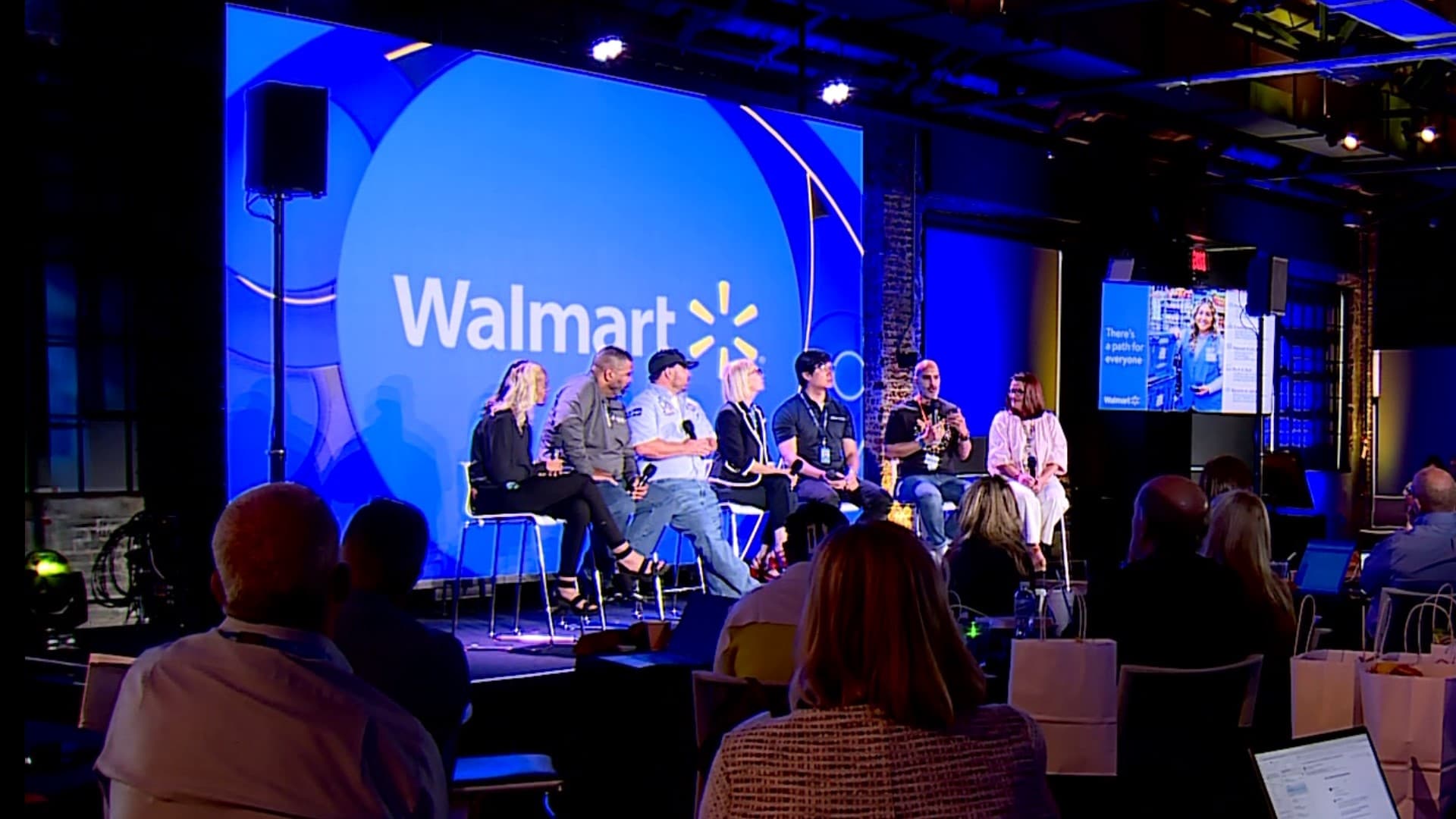
For Walmart associates, the practical question at Thursday’s virtual annual meeting was simple: does a shareholder vote change anything on the floor, in the back room or in the scheduling system? Not right away, but four proposals on cumulative voting, workplace safety governance, immigration policy and AI oversight put John Furner’s leadership under a public microscope.
Walmart’s proxy ballot carried 11 director nominees, three company proposals and four shareholder proposals, and the board recommended voting against all four shareholder items. The meeting was virtual only and began at 8:30 a.m. Central time. Walmart filed its 2026 annual report and proxy statement on April 23, with April 10 set as the record date for voting. For store workers, that means the meeting itself did not rewrite attendance rules, staffing models or safety policy, but it did force the company to defend the systems that shape those rules.
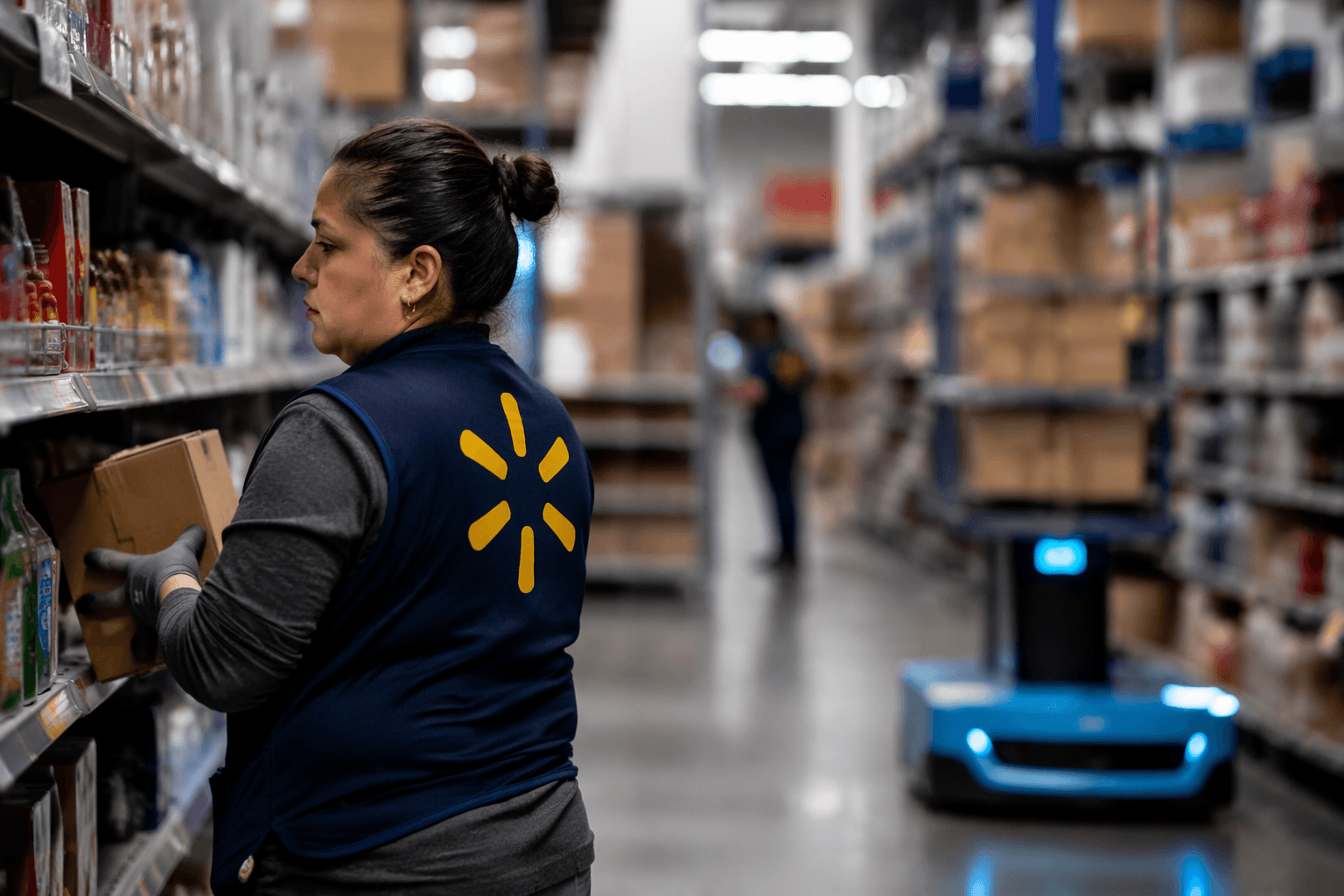
The most work-relevant item was the safety proposal. It asked Walmart to report on governance measures since 2019 tied to workplace health and safety risks, including board oversight of injury rate and attendance policies. That is the proposal most likely to touch store-level life because injury tracking, attendance discipline and risk management affect how managers handle missed shifts, reporting channels and point-related decisions. The AI and automation proposal also had a real-world link to associates, since Walmart continues to expand automated fulfillment, algorithmic tools and technology-driven management. If the board ever acts on that pressure, it could affect scheduling, workload distribution and how much discretion managers have when systems make recommendations.
The immigration proposal was more symbolic for most associates, but still relevant in a company as large and heavily regulated as Walmart. It signals investor concern about how enforcement policy is handled across a vast workforce. Cumulative voting was the least likely to change daily work on its own and read more like a governance fight than a workplace one.
The safety issue was not new. At Walmart’s 2025 annual meeting, shareholders rejected a similar workplace health and safety governance proposal that had been filed by Oxfam America and several faith-based and health-system investors, including Mercy Investment Services, Providence St. Joseph Health, the Congregation of St. Joseph, the Congregation of Benedictine Sisters, Bon Secours Mercy Health and CommonSpirit Health. In that meeting, Walmart said 7.31 billion shares, or 91.36% of the 8.0 billion outstanding shares, were represented.
The bigger backdrop is Walmart’s leadership transition and tech push. Furner formally joined the board in November 2025 as part of the CEO succession process from Doug McMillon, who will retire from the board at the end of his term in June. Greg Penner has said Walmart is approaching AI-driven transformation “in a disciplined way,” while Furner has described the company as a “people-led, tech-powered” retailer. Walmart also said FY26 revenue rose 5.1% in constant currency, adjusted profit rose 5.4% and global eCommerce grew 24%, alongside $15.6 billion returned to shareholders and a new $30 billion buyback authorization. For workers, the message from the meeting was clear: the board is still centered on growth and automation, while investors keep pressing on safety and accountability.
This article was produced by Prism’s automated news system from verified source data, official records, and press releases, then run through automated quality and moderation checks before publishing. The system is built and supervised by the people who set the standards it runs under. Read our full AI policy.
Know something we missed? Have a correction or additional information?
Submit a Tip