Walmart shoppers keep spending, but trade down and seek value
Fuel prices and weak sentiment are pushing Walmart shoppers toward cheaper baskets, more questions and tighter store execution.
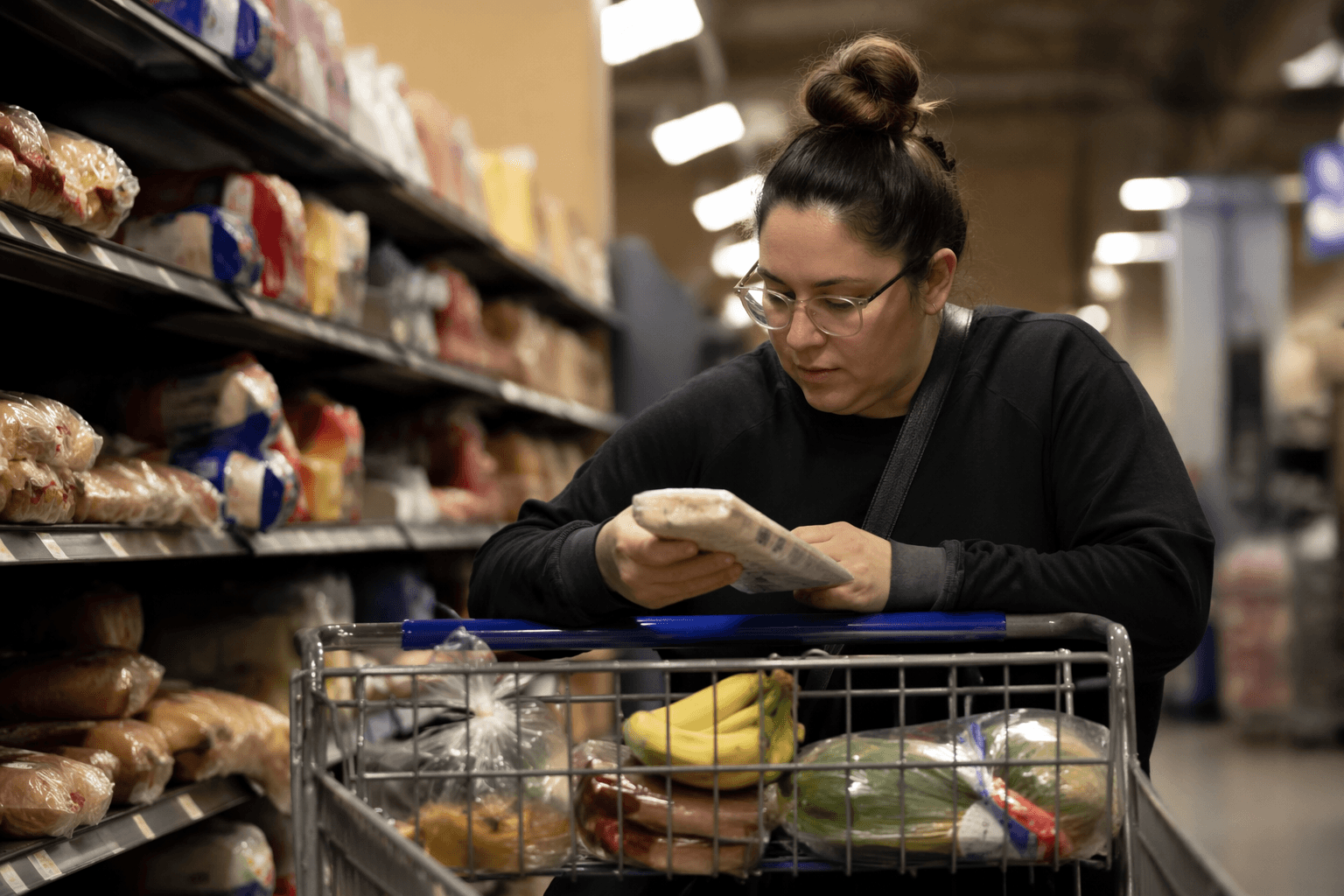
Shoppers are still spending at Walmart, but they are doing it with more caution, more trade-down behavior and a sharper eye for value. That shift matters on the sales floor: it can mean more questions about price differences, more substitutions, tighter basket sizes and more pressure on associates and managers to keep essentials in stock and priced right.
Gas prices are a big part of the squeeze. The U.S. Energy Information Administration said regular gasoline was around $4.15 per gallon for the week ending June 8, while AAA reported a national average of $4.24 on June 4, down 18 cents from the prior week. At the same time, the University of Michigan said consumer sentiment in May fell to a record low, with 57% of consumers spontaneously saying high prices were eroding their personal finances and year-ahead inflation expectations rising to 4.8%.
That backdrop helps explain why Walmart’s value message still lands. The company says about 270 million customers and members visit its stores and ecommerce sites each week across more than 10,750 stores and websites in 19 countries, supported by about 2.1 million associates worldwide. Walmart reported fiscal 2026 revenue of $713.2 billion, after fiscal 2025 revenue of $681 billion, and said Walmart U.S. comparable sales rose 4.6% excluding fuel in the fourth quarter while global ecommerce grew 24%.
The company has also been telling investors to expect a cautious but steady environment. Walmart issued fiscal 2027 guidance for net sales growth of 3.5% to 4.5% and adjusted operating income growth of 6.0% to 8.0% in constant currency. That is the kind of outlook that fits a shopper base that is still buying, but looking harder at every item before it goes in the cart.
For store workers, the practical effect is straightforward. John Furner said lower-income households were showing signs of stress as fuel costs squeezed budgets, even as higher-income customers visited more often and spent more. In Walmart terms, that can show up as stronger demand for low-price groceries, essentials and multipacks, along with more scrutiny of substitutions and shelf labels. It also puts a premium on fast, accurate service, because a stressed shopper notices out-of-stocks and pricing gaps quickly.
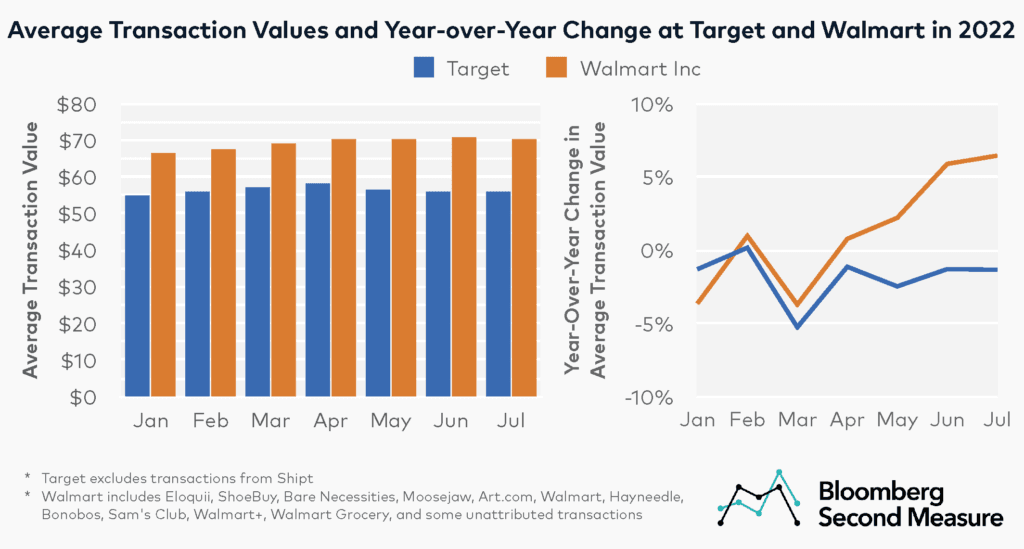
Walmart’s business still depends on volume, but the mix inside the basket is changing. Associates are likely to hear more price comparisons at the register and in the aisles, while department managers and assistant managers face a tougher task: protect the value promise by keeping the right items on hand, because when households are stretching dollars, the wrong gap on the shelf can send them somewhere else.
This article was produced by Prism’s automated news system from verified source data, official records, and press releases, then run through automated quality and moderation checks before publishing. The system is built and supervised by the people who set the standards it runs under. Read our full AI policy.
Did this article answer your question?