Walmart staffing challenges vary by state as labor markets stay tight
South Dakota's 2.3 percent jobless rate and D.C.'s 6.3 percent show why Walmart staffing, overtime and transfer odds change by state.
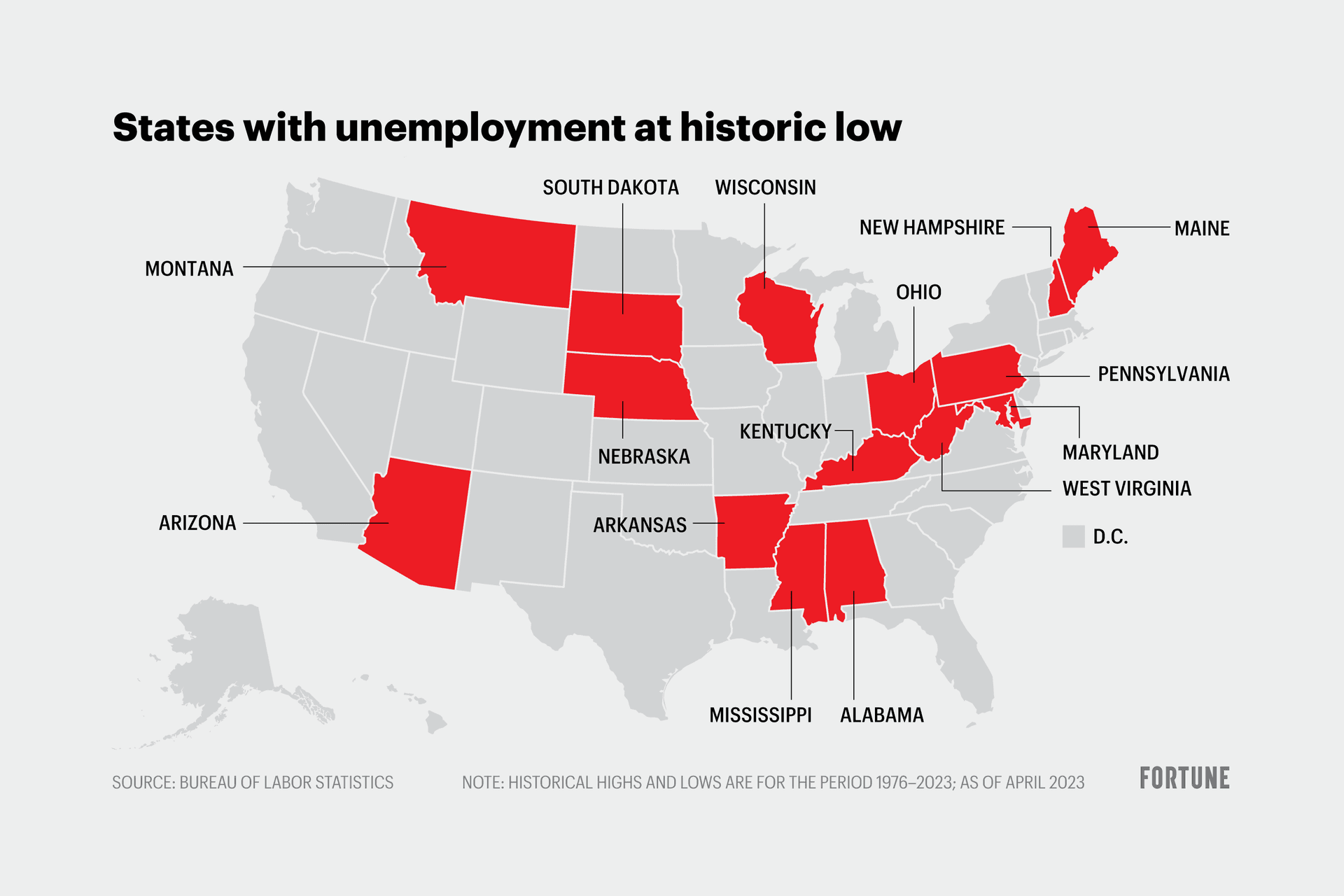
A 2.3 percent unemployment rate in South Dakota and 6.3 percent in the District of Columbia show why Walmart staffing cannot be read from one national number. California was at 5.3 percent, Illinois at 5.1 percent, Texas at 4.3 percent, Florida at 4.7 percent and Georgia at 3.5 percent, a spread that can shape hiring, overtime and transfer odds store by store.
The Bureau of Labor Statistics said the national unemployment rate was 4.3 percent and changed little, while nonfarm payroll employment increased in only three states and was essentially unchanged in 47 states and the District of Columbia. For Walmart, that kind of flat national picture hides the real pressure point: a store’s local labor market can make it harder to recruit, harder to keep workers and more dependent on overtime when shifts open up.

That is why the Bureau’s Local Area Unemployment Statistics program matters to retail operators. The program produces monthly employment and unemployment estimates for more than 7,500 areas, including states, metro areas, counties and cities, and BLS says private industry, researchers and the media use the numbers to compare labor markets and track local conditions. For Walmart managers, those figures help explain why one store is scrambling for coverage while another has more applicants for the same opening. For associates, they help show why leverage, schedule flexibility and the odds of moving to a different market can look very different across state lines.

Walmart has long tied those local conditions to pay and advancement. The company says its average U.S. hourly field associate makes $18.25 an hour, minimum starting wages have risen more than 90 percent since 2015, and about 75 percent of its salaried U.S. store, club and supply-chain management started in hourly roles. Walmart also says U.S. associates receive their first promotion in about nine months on average and that it has committed $1 billion to career-driven training and development by 2026 through Walmart Academy and other skills-first programs.
For associates weighing a transfer or a move into a new market, the lesson is straightforward: the state job market can matter as much as the internal posting. A tighter market can mean more overtime and more pressure to hold onto dependable workers, while a softer market can bring more applicants but also more competition for each slot. Walmart, which reported $681 billion in fiscal 2025 revenue and about 2.1 million associates worldwide, has spent years saying it can build careers from hourly ranks. The March state numbers show why that promise is tested differently in every market, from Bentonville’s home turf to the most crowded labor markets in the country.
This article was produced by Prism’s automated news system from verified source data, official records, and press releases, then run through automated quality and moderation checks before publishing. The system is built and supervised by the people who set the standards it runs under. Read our full AI policy.
Did this article answer your question?