Walmart sued over alleged retention of tariff refund windfall profits
A class action says Walmart kept tariff refund windfalls instead of passing them back, while the company has said any recovered money would go toward lower prices.
A new class action says Walmart turned tariff refunds into profit, a fight that could matter to associates fielding shopper questions about prices, refunds and why some items got more expensive in the first place. The filing does not spell out a change to store procedures, but it does put Walmart’s pricing story and public accountability under a sharper spotlight.
The complaint was filed April 27, 2026, in the U.S. District Court for the Northern District of Ohio by Ohio shoppers John Glase, Adam Falkner and Kristin Falkner. It names Walmart Inc. as the defendant, carries case number 1:26-cv-00988, and was assigned to Judge David A. Ruiz. The plaintiffs accuse Walmart of unjust enrichment, saying the retailer passed IEEPA tariff costs through to shoppers via higher prices and then kept any refund upside for itself instead of returning it to customers.

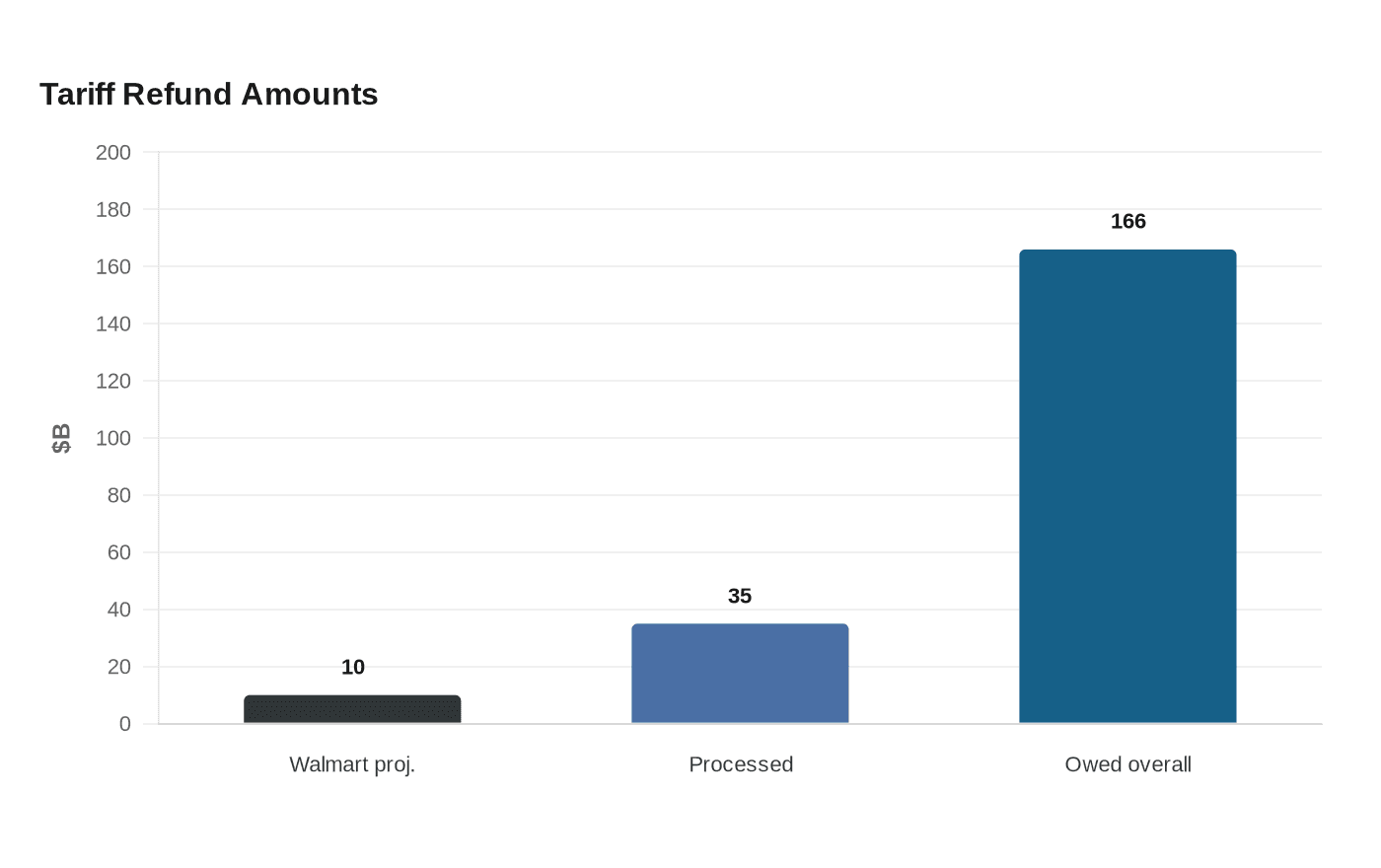
The lawsuit says Walmart signaled that tariff costs would show up on store shelves. It cites a statement from chief financial officer John David Rainey, who said, “We’re wired for everyday low prices, but the magnitude of these increases is more than any retailer can absorb,” and a May 15, 2025 earnings call in which Walmart said, “The higher tariffs will result in higher prices.” The complaint also says Walmart projected as much as $10 billion or more in tariff refunds, a figure that gives the case immediate weight far beyond a single pricing dispute.
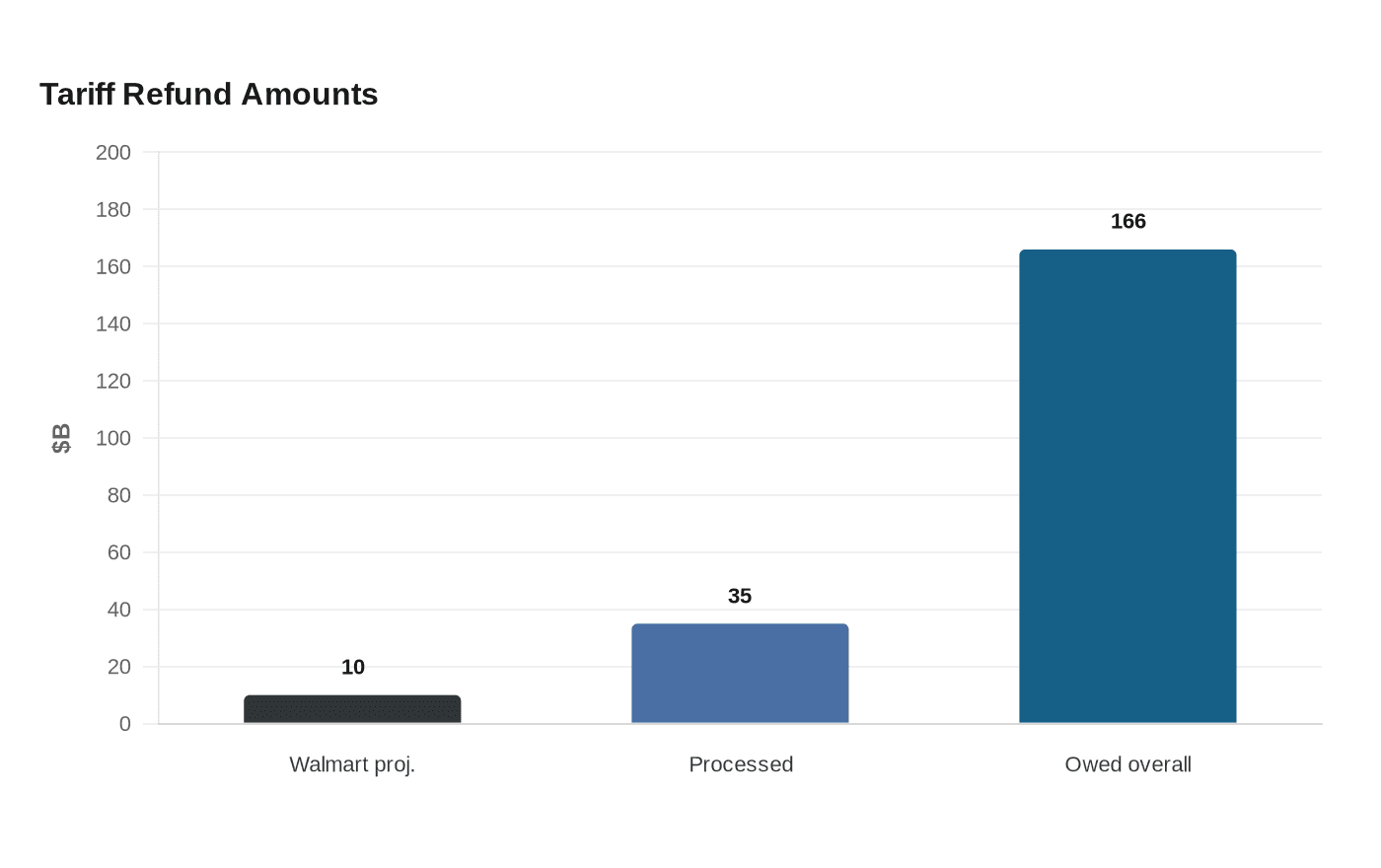
The legal backdrop is the Supreme Court’s February 20, 2026 ruling in Learning Resources, Inc. v. Trump, which held that the tariffs were not authorized under the International Emergency Economic Powers Act. The plaintiffs argue that consumers who paid tariff-related price increases have no direct path to a government refund because only the importer of record can seek repayment, even when the importer is essentially passing costs through to shoppers. In the broader refund scramble, more than $35 billion in tariff refund money had already been processed and roughly $166 billion was owed overall, while more than 2,000 companies had filed refund-related complaints in the Court of International Trade.
For Walmart workers, the practical takeaway is narrow but important: this complaint is about where refund money goes, not a new store policy announced for the sales floor or service desk. The case seeks damages, restitution, interest, attorneys’ fees, declaratory relief and injunctive relief, including an order that Walmart hold any tariff refund proceeds in trust and repay class members. Until a court decides the issue, associates are left with the same customer-facing tension that has defined the tariff debate all along, price increases on one side and promises of everyday low prices on the other.
This article was produced by Prism’s automated news system from verified source data, official records, and press releases, then run through automated quality and moderation checks before publishing. The system is built and supervised by the people who set the standards it runs under. Read our full AI policy.
Did this article answer your question?