Walmart supply chain leans on targeted AI, not full automation
Walmart's AI tools already handle 3 million queries a day for 1.5 million associates, while supply-chain automation stays targeted, not total.
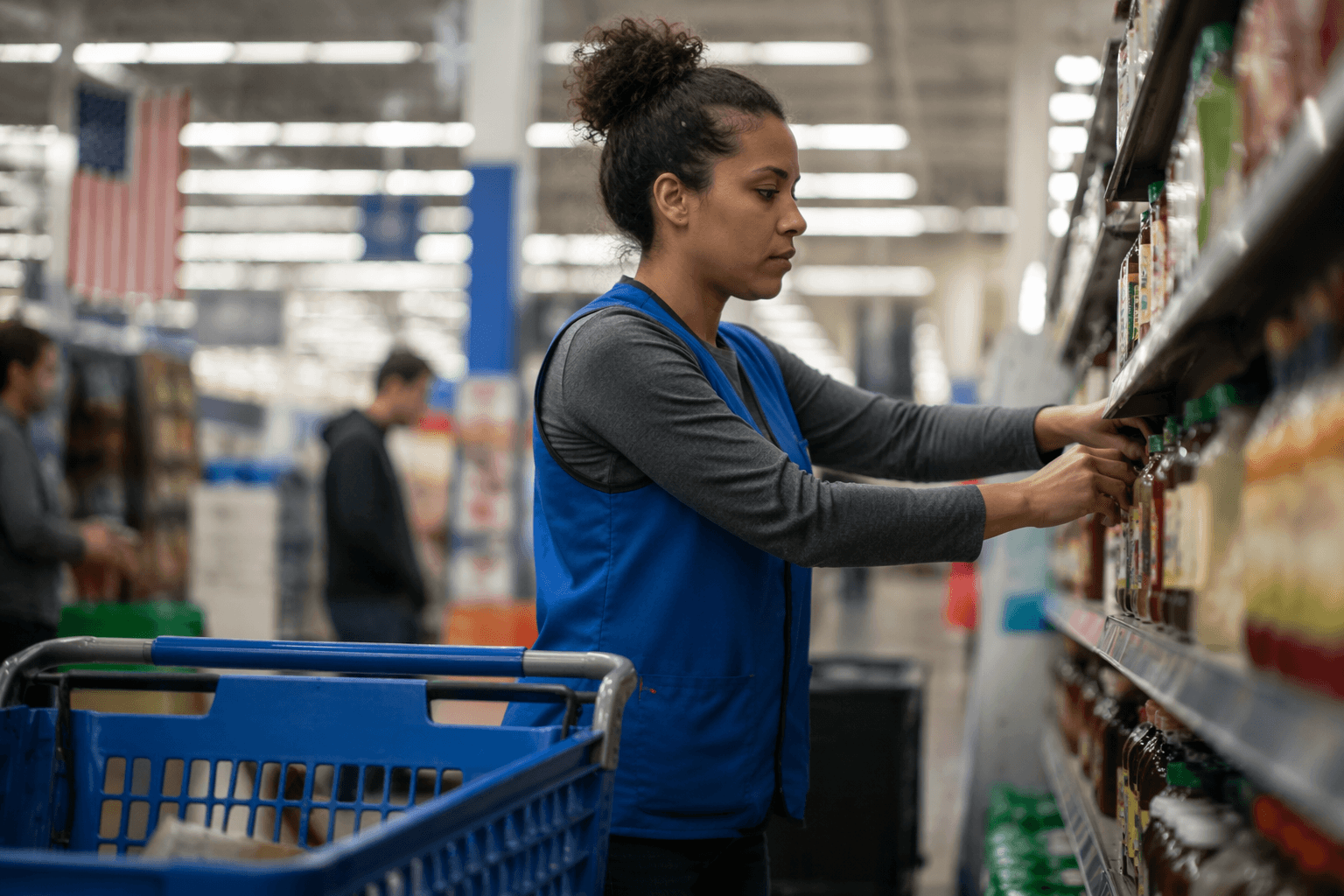
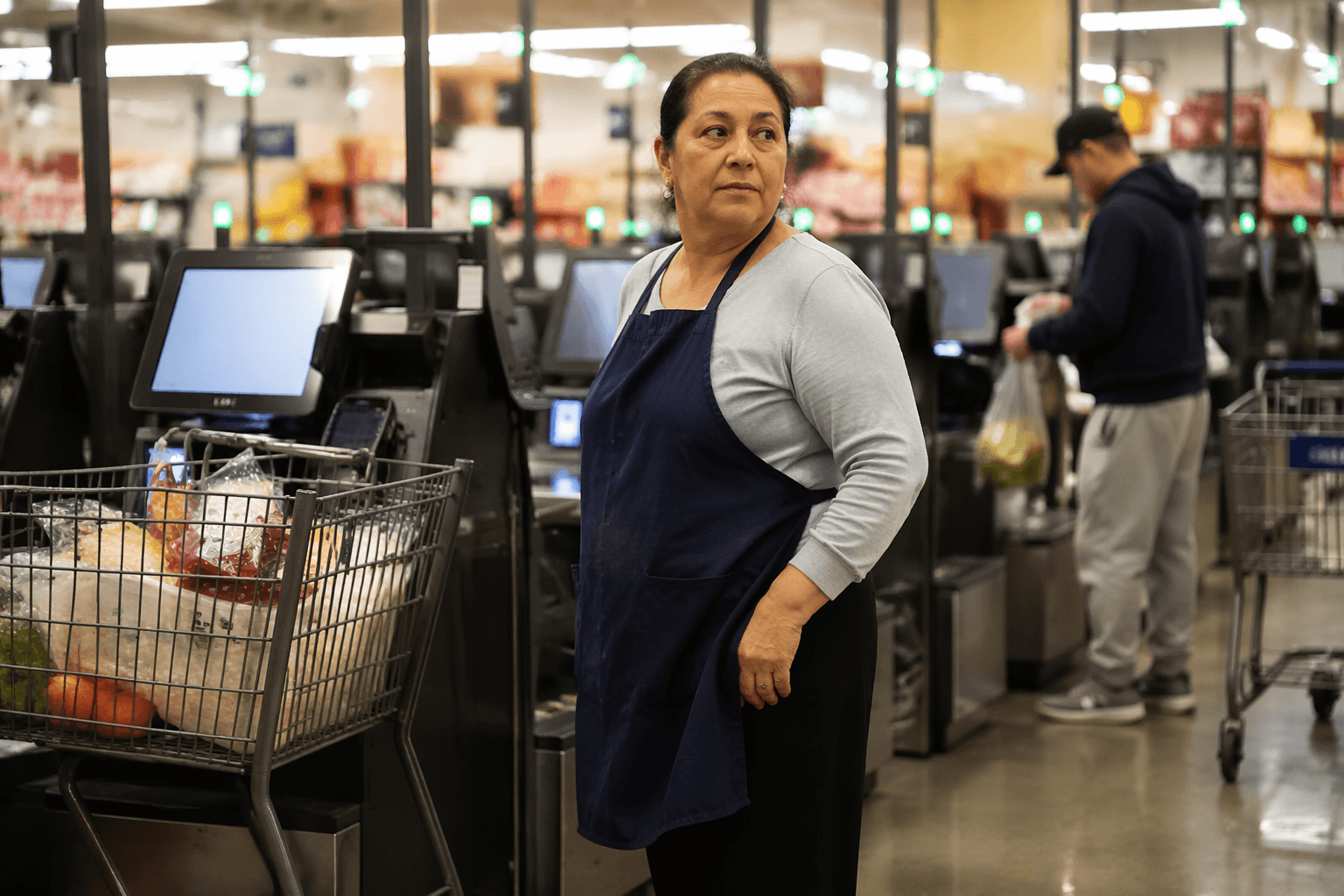
Walmart has been adding artificial intelligence in narrow, practical steps, not betting on a warehouse network that runs itself. The company said in June 2025 it was rolling out AI-powered tools through the Walmart associate app for its 1.5 million associates, and a trade report said the system was already drawing more than 900,000 weekly users and handling over 3 million queries a day.
Those tools were meant to eliminate friction, simplify actions and make work more efficient, and a June 2025 rollout note said they included real-time translation in more than 40 languages. For store, fulfillment and supply-chain teams, that points to a system built to answer routine questions, move information faster and reduce handoffs, not replace the people who still have to make calls when an order, a pallet or a shipment does not line up.

The broader logistics market is pushing in the same direction. Kearney’s 2026 State of Logistics report said logistics volatility has become a structural feature of the operating environment, and CSCMP and Kearney said U.S. business logistics costs came to $2.4 trillion, or 7.8% of GDP, in the latest year covered, down from $2.6 trillion and 8.7% the year before. That is one reason companies are using AI on specific bottlenecks, including shipper-email intake, routing and appointment setting, instead of trying to redesign everything at once.
Gartner’s November 2025 survey of 140 senior supply chain leaders found only 17% were pursuing an immediate transformational redesign of their processes and workflows using AI. C.H. Robinson has used AI to read inbound shipper emails, classify intent and reply with quotes, while ArcBest said AI routing tools helped it save about $15 million. Kearney said full autonomy is still aspirational, and the evidence from the market matches that view: most companies are rolling out one workflow at a time.
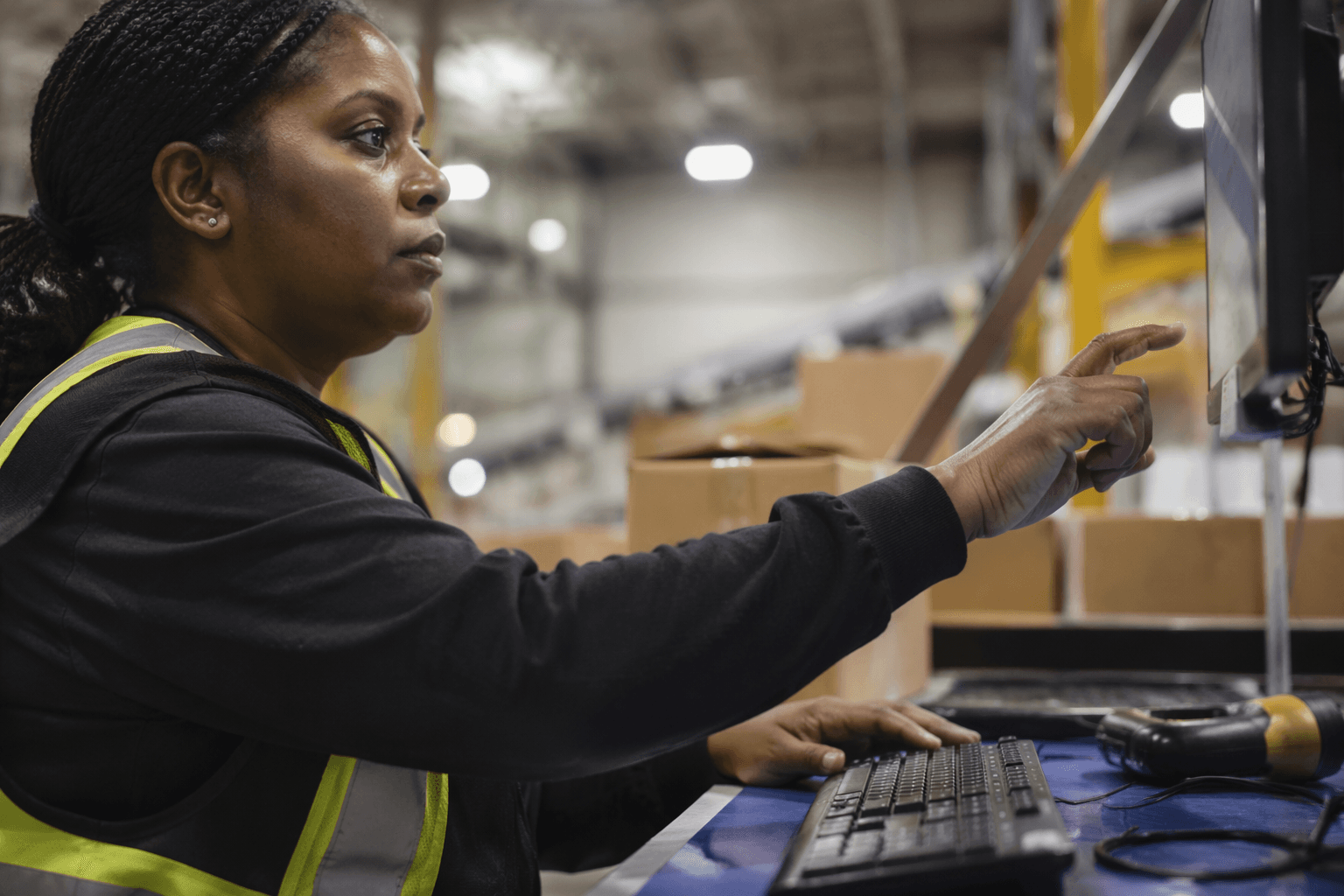
Walmart’s own footprint shows the same pattern. Its 2025 annual report said the company continued to invest in supply chain automation and operated 164 distribution facilities in the United States, while also investing in artificial intelligence, generative AI, talent and supply chain enhancements. Reporting in 2024 said Walmart automated distribution centers in Arizona and Arkansas, announced five additional automated grocery distribution centers and began using autonomous forklifts at four sites in Florida, Texas, New York and Alabama.
In 2025, Walmart also highlighted a high-density storage system developed with Knapp, autonomous forklifts from Fox Robotics and inventory-tracking sensors from Wiliot. Walmart said in July 2025 that AI systems already live in Costa Rica, Mexico and Canada were predicting demand, rerouting inventory, reducing waste and simplifying work for associates. For Walmart workers, the near-term shift is less about a robot takeover than about smarter screens, cleaner data and fewer repetitive moves in receiving, back rooms and planning.
This article was produced by Prism’s automated news system from verified source data, official records, and press releases, then run through automated quality and moderation checks before publishing. The system is built and supervised by the people who set the standards it runs under. Read our full AI policy.
Did this article answer your question?