Walmart teams brace for higher import costs as prices rise
Import prices jumped 1.9% in April, and Walmart’s China-heavy supply chain is already feeling the squeeze in pricing, promos and back-to-school planning.

Higher import costs are moving straight into Walmart’s shelf decisions, tightening the room for deep discounts and forcing buyers to watch sourcing, replenishment and promotional timing more closely. The U.S. Bureau of Labor Statistics said import prices rose 1.9% in April after a 0.9% gain in March and were up 4.2% from April 2025, the biggest 12-month increase since October 2022.
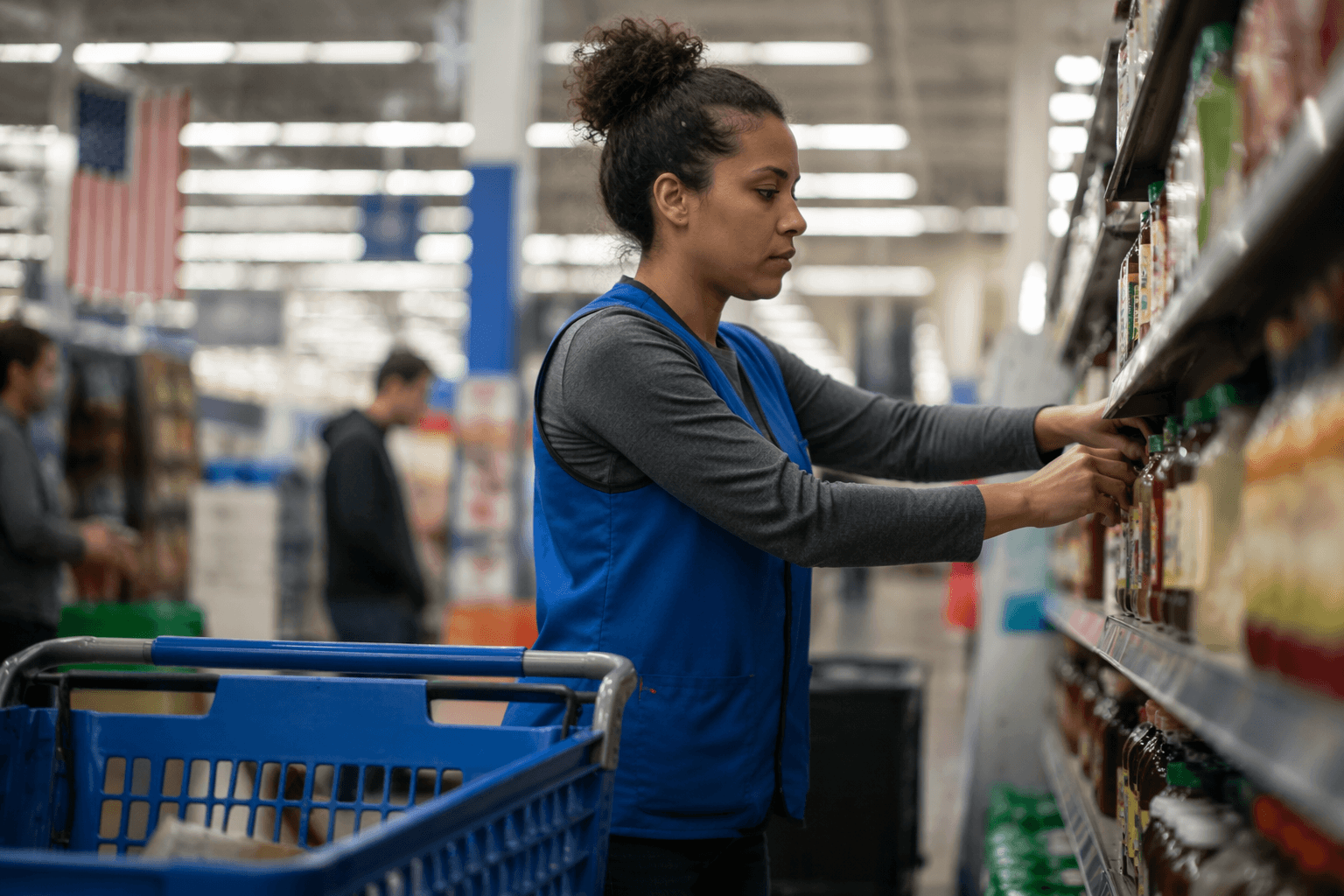
That matters inside Walmart because so much of the assortment depends on overseas sourcing, ocean freight and vendor contracts. When import costs climb, the pressure usually shows up first in general merchandise, consumables and seasonal categories, where department managers may see fewer aggressive markdowns, more substitution to lower-cost items and tighter control over inventory mix. For store teams, it can also mean more customer questions about why a product costs more than it did a month ago.

The BLS data showed where some of the pressure was coming from. Import prices for fuels and lubricants jumped 16.3% in April, while import petroleum and petroleum products rose 19.0%. Nonfuel import prices still rose 0.8% in the month and were up 2.9% over 12 months, the largest yearly rise for that category since October 2022. Export prices also moved higher, rising 3.3% in April and 8.8% over the year, helped by higher export air freight prices and stronger export air passenger fares.

Walmart executives have already warned that tariff-related cost pressure began in late April and accelerated in May, with China tariffs carrying the biggest impact. John David Rainey said the company expected those costs to show up more clearly in June and July, especially in back-to-school categories. In practical terms, that gives store and supply-chain teams a narrow window to keep shelves accurate, manage shrink and track which items shoppers are willing to trade down on.
The sourcing mix explains why the pressure lands so hard. Reuters-reported data cited in coverage said about 60% of Walmart’s imports came from China in 2024, down from 80% in 2018, with India taking a larger share. Walmart also said in 2021 that it planned to source $350 billion in U.S.-made goods by 2031. Even with that shift, the retailer’s exposure to import costs remains high, and the latest price data suggests managers across the chain will keep feeling it in assortment, pricing and vendor negotiations.
This article was produced by Prism’s automated news system from verified source data, official records, and press releases, then run through automated quality and moderation checks before publishing. The system is built and supervised by the people who set the standards it runs under. Read our full AI policy.
Did this article answer your question?