Walmart tells workers AI is meant to help, not replace them
Walmart says AI will cut shift-planning time and add translation and task tools, but the real test is whether associates get training and relief, or just more work.
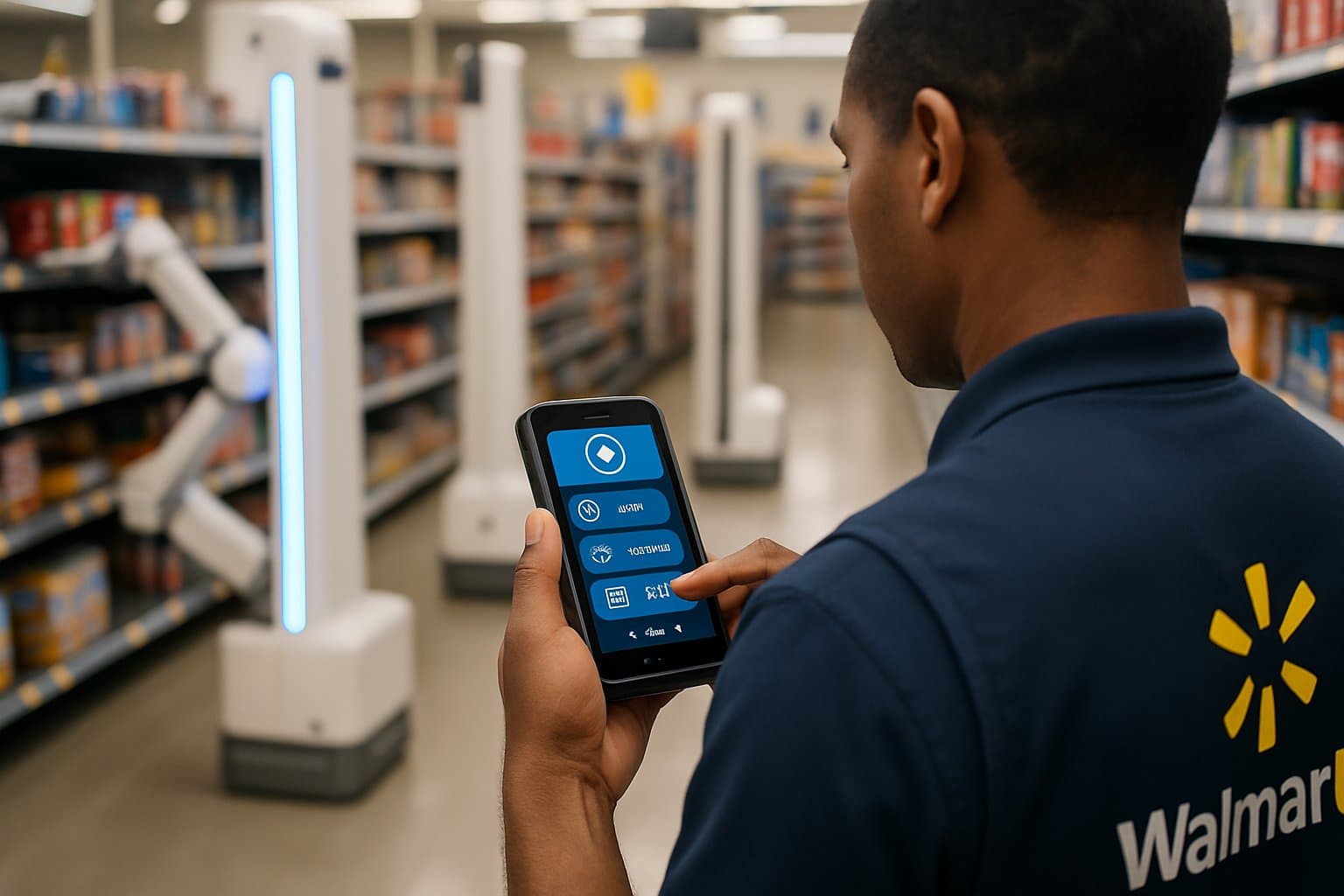
Walmart is telling its 2.1 million associates that artificial intelligence is meant to make jobs easier, not disappear. The company says the technology has been embedded across the business for nearly a decade, and it is now rolling out a wider set of AI tools for customers, associates, partners and developers as part of a people-led, tech-powered model.
For hourly workers, that promise turns on the daily grind. Walmart has said its new task-management tool cut shift planning from 90 minutes to 30, and that its AI tools include real-time translation. That means the first changes on the sales floor are likely to show up in scheduling, product lookup, order routing and communication, especially in stores where managers spend too much time sorting assignments and too little time on the floor. If the software saves an hour, associates will want to know whether that hour comes back as better staffing, steadier schedules or simply a faster pace.
The company’s technology team has described a broader framework of four intelligent super agents built for customers, associates, partners and developers. In practice, that points to AI being woven into shopping, store operations, logistics and product development, not just a single app or chatbot. Walmart has already said those tools were being deployed across its U.S. associate base of 1.5 million people, which means the question is no longer whether AI will touch frontline work, but how much discretion store teams keep as the systems spread.
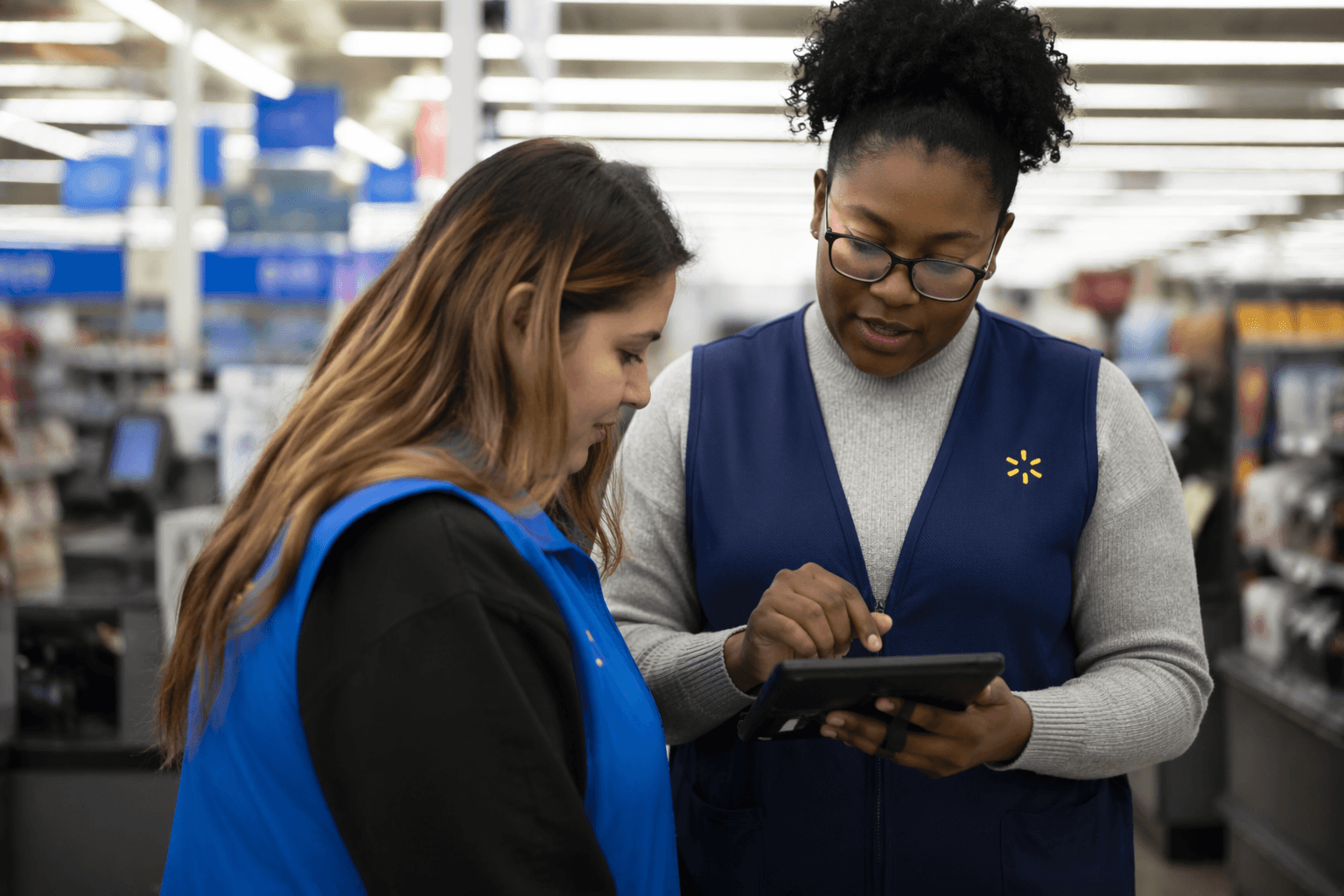
Walmart is trying to answer the job-security anxiety with training. In September 2025, the company said U.S.-based associates would get free access to AI certifications and training through OpenAI, backed by a nearly $1 billion commitment to skills training through 2026. In June 2025, it also said it was piloting an AI interview coach and expanding skills-matching and job-simulator tools. Those programs matter because they can either open a path to better roles or become another layer of screening and surveillance if workers are not given time to use them.
The company’s broader message is that technology will do more of the routine work while people remain the differentiator. But investors have already signaled that they want harder answers. They rejected a shareholder proposal on June 4 asking for a report on how AI affects workforce well-being, even as Walmart keeps pushing to match Amazon’s faster delivery operations. At the same time, Walmart said in May that about 1,000 corporate workers were being cut or relocated as it consolidated global tech and AI product teams, a reminder that “people-led” does not mean every role is insulated from reorganization.
This article was produced by Prism’s automated news system from verified source data, official records, and press releases, then run through automated quality and moderation checks before publishing. The system is built and supervised by the people who set the standards it runs under. Read our full AI policy.
Did this article answer your question?