Walmart warehouse workers in Mississauga ratify first North American union contract
Mississauga Walmart warehouse workers won up to $5 more an hour in year one, plus limits on temp labor and wage-parity protections.
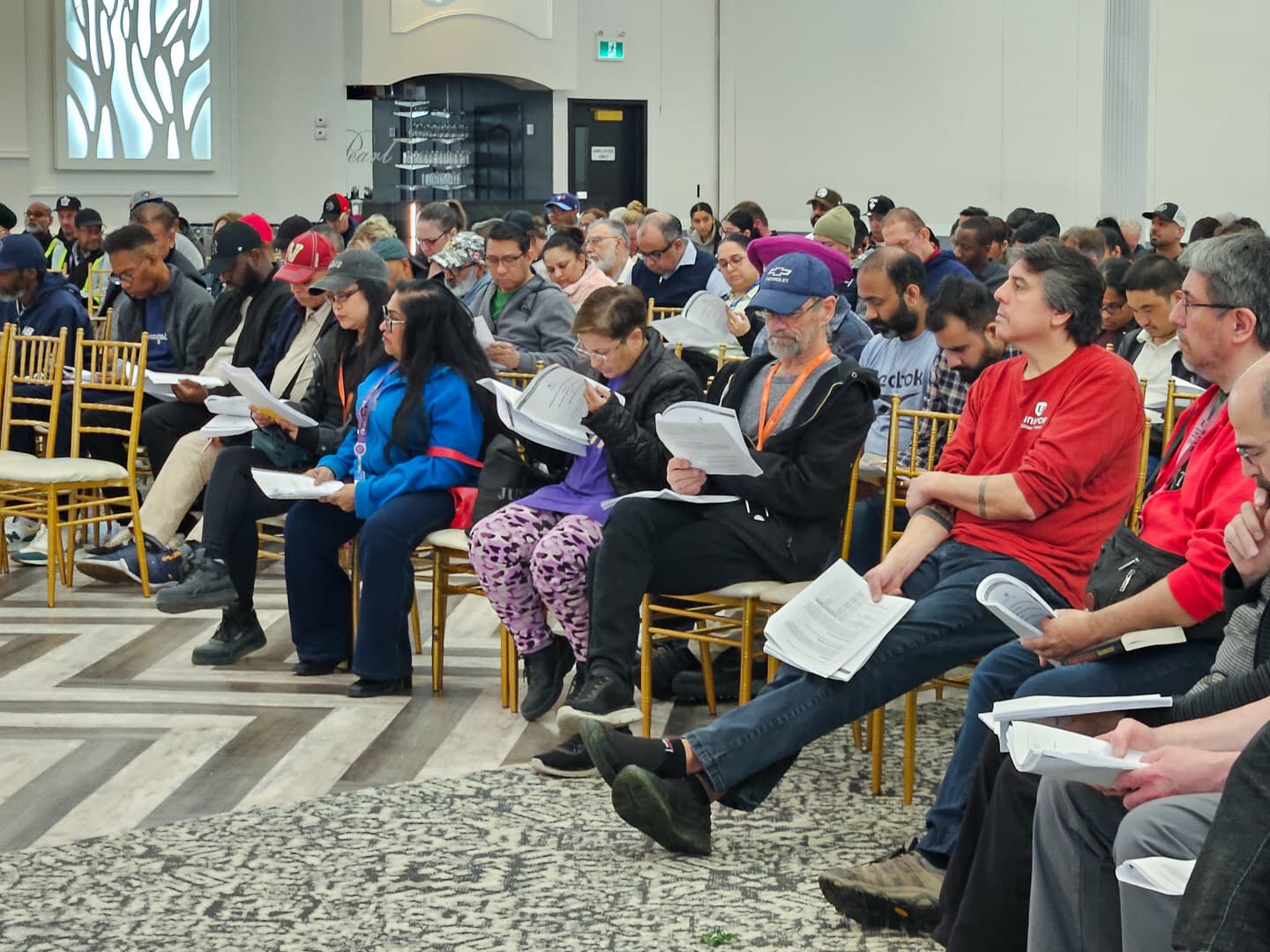
Walmart warehouse workers in Mississauga have set a new benchmark for the company in North America. Members of Unifor Local 252 ratified their first contract with Walmart by 93 percent, locking in wage gains, staffing limits and job protections that Walmart store and distribution workers elsewhere will be watching closely.
The agreement includes wage increases of up to $5 an hour in the first year, followed by another 3 percent raise in year two. It also includes a lump sum tied to an unfair labour practice complaint, and a wage-parity clause that keeps members from falling behind if other Walmart warehouse workers in Canada land higher pay. For workers who have spent months or years wondering whether a union card would translate into real money, those terms are the bottom line.
The contract also puts a hard cap on short-term agency workers, a detail that matters as much as the wage gains. Unifor said temporary labour had been used in ways that limited full-time opportunities and overtime. That makes the Mississauga deal more than a pay bump. It is a direct attempt to change how much of the operation runs on disposable labor and how much is reserved for workers with steadier hours and a clearer path to earning more.
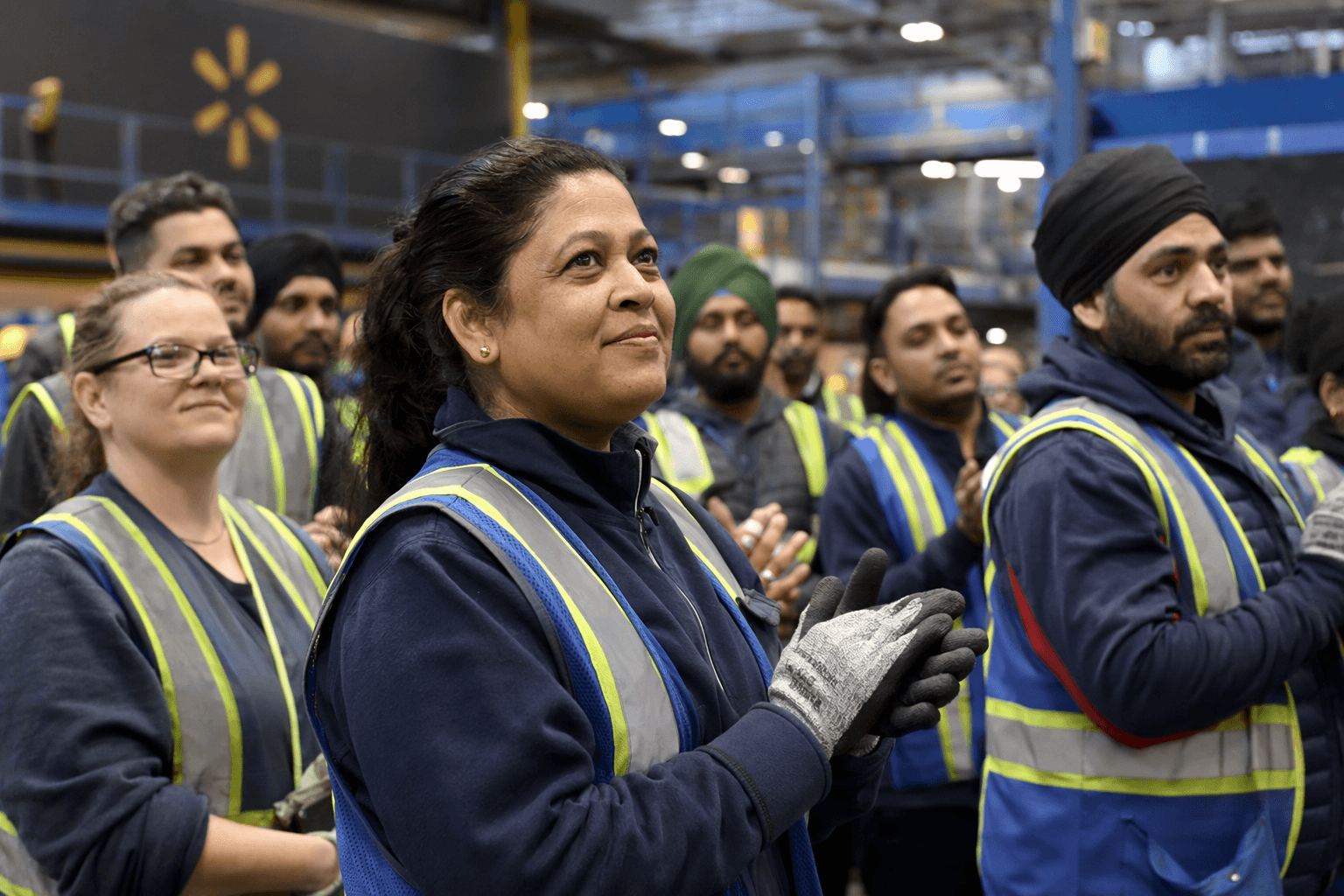
For Walmart’s non-union workforce, especially store and distribution associates in the United States, the contract is a concrete reference point. Most U.S. associates do not bargain under a union contract, so issues that often feel fixed by corporate policy, such as wage progression, temp staffing, overtime access and fairness between sites, are suddenly visible as negotiable terms. The Mississauga agreement shows that those questions can be written into a contract rather than left to management discretion.
That is what makes this deal important beyond one Ontario warehouse. It puts pressure on the same workplace issues that shape turnover, morale and retention in Walmart buildings everywhere: how fast pay rises, how predictable scheduling feels, how much temporary labor a site can absorb and whether workers have any protection if conditions worsen. For managers, it is a reminder that labor disputes are not just about organizing slogans. They are about the mechanics of who gets hours, who gets left behind and who has leverage when the next contract comes up.
This article was produced by Prism’s automated news system from verified source data, official records, and press releases, then run through automated quality and moderation checks before publishing. The system is built and supervised by the people who set the standards it runs under. Read our full AI policy.
Did this article answer your question?