Walmart workers brace for tariff refunds, but store prices may stay high
Refunds may start May 12, but Walmart workers should still expect sticky shelf prices, customer complaints and more repricing pressure.
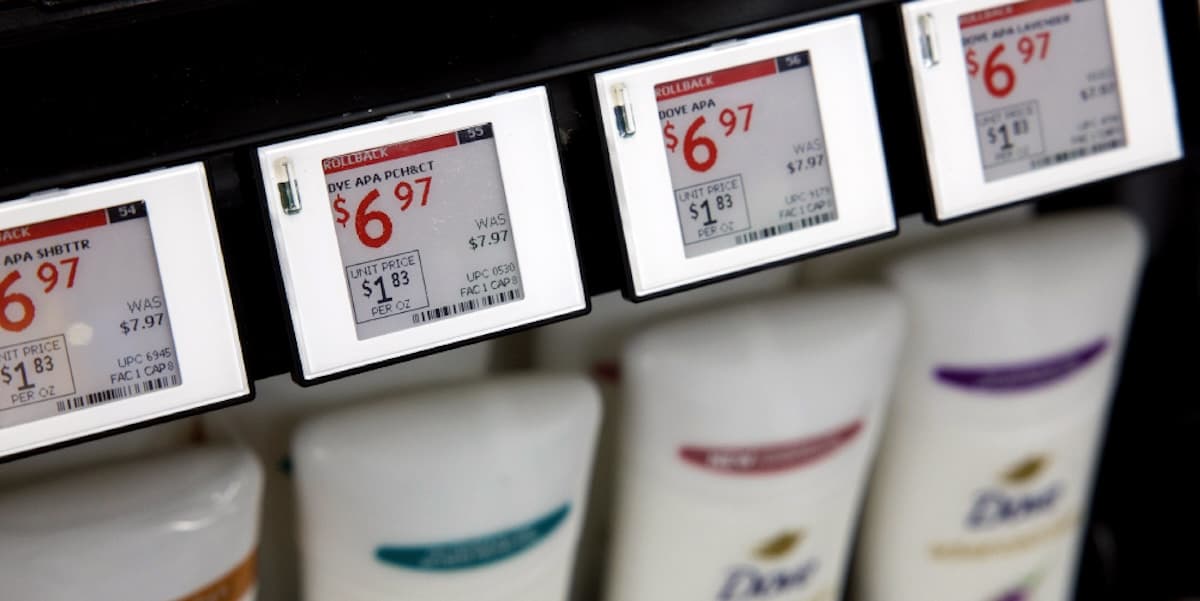
Walmart associates are likely to keep hearing the same question on the sales floor: if tariff refunds are starting, why are prices still so high? The short answer is that the first electronic refunds from tariffs ruled illegal by the Supreme Court may begin as soon as May 12, but that does not mean Walmart can quickly rewrite shelf tags, clear out higher-cost inventory or unwind pricing already built into the supply chain.
The gap matters because Walmart is still selling through merchandise that was ordered, shipped and billed under a higher-cost environment. The Budget Lab at Yale said tariffs had already raised roughly $214.7 billion above the 2022-2024 average, and estimated about $165 billion may eventually be returned to importers through refunds of IEEPA tariffs. It also said core goods prices were up 1.9% year-over-year as of January 2026. Even after the Supreme Court ruling, Yale said the decision itself did not order immediate refunds.
For workers, that means the tariff story is still likely to show up as a store-level problem, not a Washington headline. Categories with heavy import exposure can bring more repricing, more customer complaints and more backroom coordination between store management, merchandising and supply chain teams. The pressure can also spill into markdowns when pricing moves do not line up neatly with what is on the shelf, what is in the system and what shoppers think should cost less.
Walmart’s own leaders warned about this dynamic last year. On the company’s May 15, 2025 earnings call, CEO Doug McMillon said higher tariffs would result in higher prices. Chief Financial Officer John David Rainey said shoppers could start seeing higher prices by the tail end of May and then more in June. CNBC reported that Walmart said price increases could start later in May, underscoring how quickly tariff costs can reach the register even when the company is trying to hold down prices.
The broader setting remains unsettled. Yale said the pre-substitution average effective U.S. tariff rate stood at 11.8% as of April 8, the highest since the early 1940s, excluding 2025. Skadden said U.S. Customs and Border Protection is building an automated refund system called CAPE, and that more than 330,000 importers paid the duties across more than 53 million entries. That kind of administrative load suggests refunds may move slowly, which leaves Walmart workers managing the same frontline reality for now: shoppers want lower prices immediately, and the store may not be able to give them.
This article was produced by Prism’s automated news system from verified source data, official records, and press releases, then run through automated quality and moderation checks before publishing. The system is built and supervised by the people who set the standards it runs under. Read our full AI policy.
Did this article answer your question?