Walmart weighs self-checkout changes as new loss report flags shrink risk
A new loss study found self-checkout handled 54% of transactions and could drive 28.5% of retail loss, sharpening pressure on Walmart front-end staff.
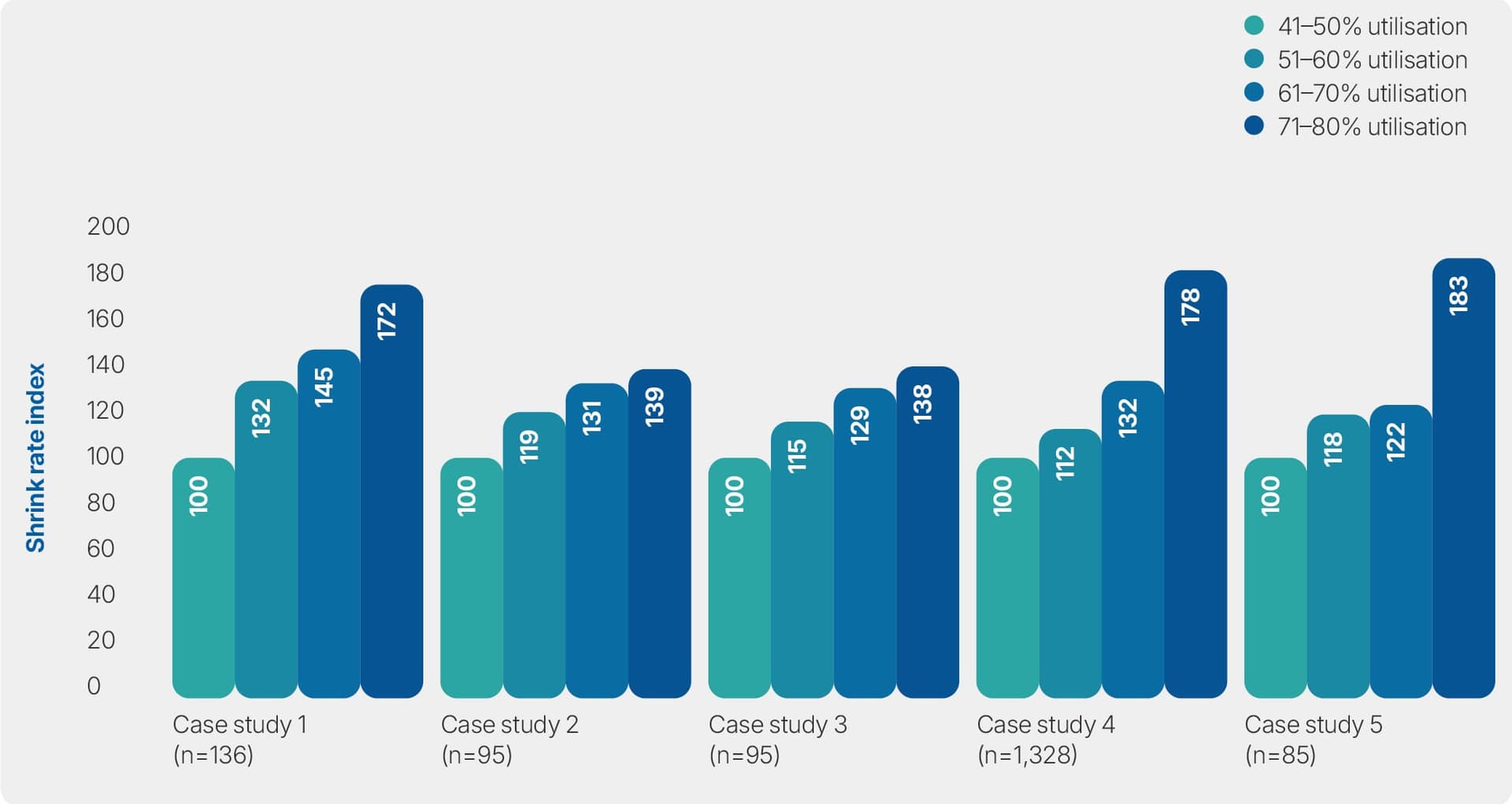
Walmart’s self-checkout play is facing a sharper shrink test as a new loss report found the format now accounts for 54 percent of transactions in stores where it is offered, while still carrying a measurable first-year loss hit. For cashiers, front-end leads, and department managers, that means the job is not just moving lines faster. It is watching scan accuracy, stepping in when a lane needs a human override, and preventing missed items before they turn into shrink.
The Self-Checkout Loss Report 2026, published June 16, used data from 39 retailers with combined turnover of more than $1 trillion. It said self-checkout can become a larger share of total retail loss over time, with one retailer reporting 28.5 percent of total retail loss from self-checkout, up from 9.4 percent in earlier benchmark studies. The report also said design changes, people, and technology interventions can reduce the problem, a finding that puts store-level execution at the center of the issue rather than the checkout software alone.
At Walmart Inc., the response has been more mixed than a simple push to automate everything. The company says cashier checkout will remain available for customers who prefer it, and Walmart+ members can use Scan & Go on their phones for contact-free checkout. Walmart’s privacy notice also says cameras and automated technologies may capture images during checkout to help deter theft or improve store design. In Bentonville, Arkansas, that puts a premium on how the front end is staffed and monitored, since the company says its stores and websites serve about 270 million customers and members each week and employ about 2.1 million associates worldwide.
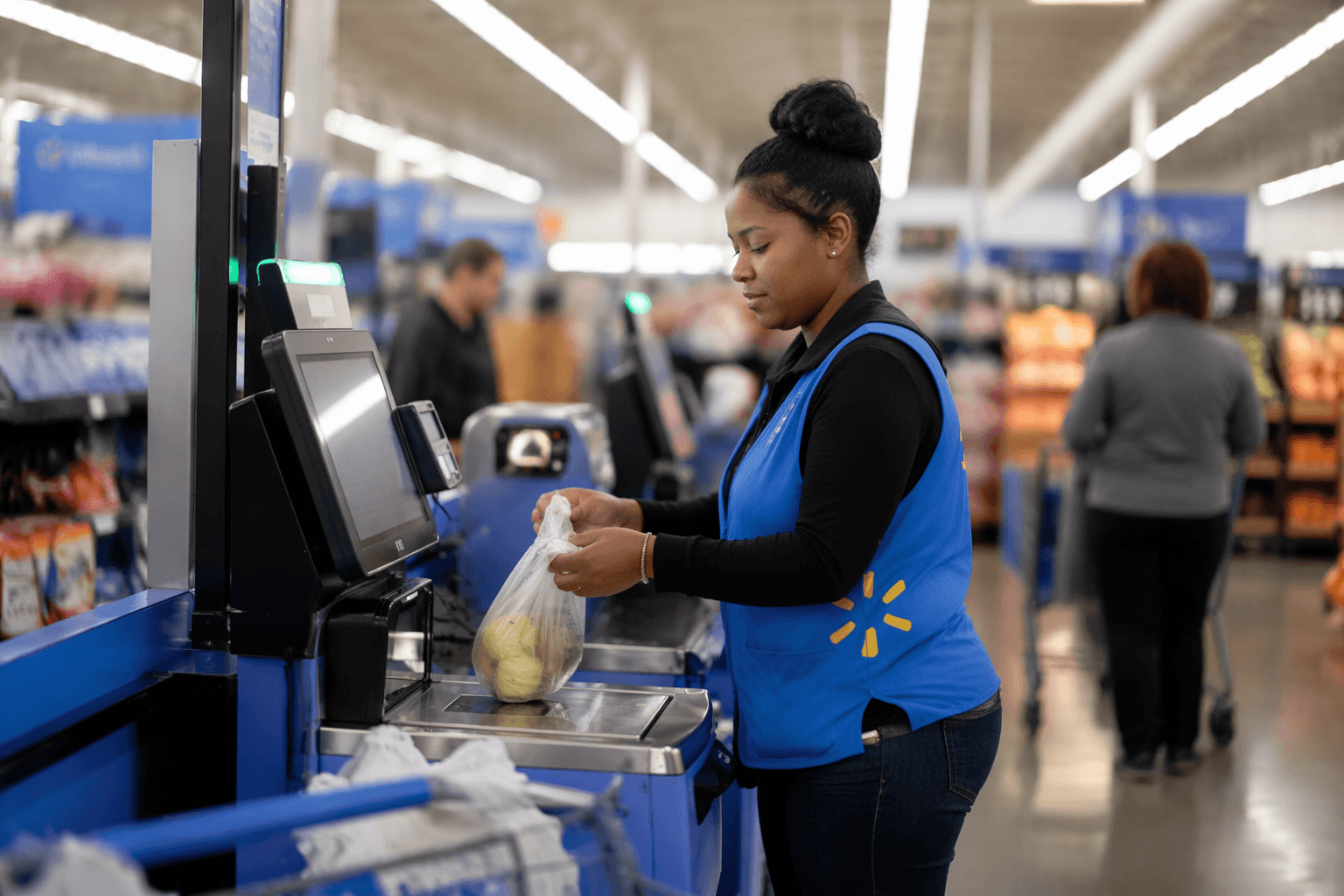
Walmart’s self-checkout changes in 2024 and 2025 showed the company was willing to pull back on the format store by store rather than treat it as a blanket rollout. Locations in Shrewsbury, Missouri, Cleveland, Ohio, New Mexico, and South Philadelphia, Pennsylvania, were among those where self-checkout removals drew attention, with theft and store-specific operating needs cited in some of the reporting. The company has also leaned into technology elsewhere, announcing new AI tools for store associates on June 24, 2025. Taken together, the moves show a checkout strategy built around staffing, surveillance, and automation, with shrink pressure now shaping how fast the front end can move.
This article was produced by Prism’s automated news system from verified source data, official records, and press releases, then run through automated quality and moderation checks before publishing. The system is built and supervised by the people who set the standards it runs under. Read our full AI policy.
Did this article answer your question?