Walmart widens local product assortment to boost sales and traffic
Walmart’s local-product push could bring more regional deliveries, uneven inventory and more shopper questions on the floor, especially in Florida stores already carrying Cuban-inspired coffee.
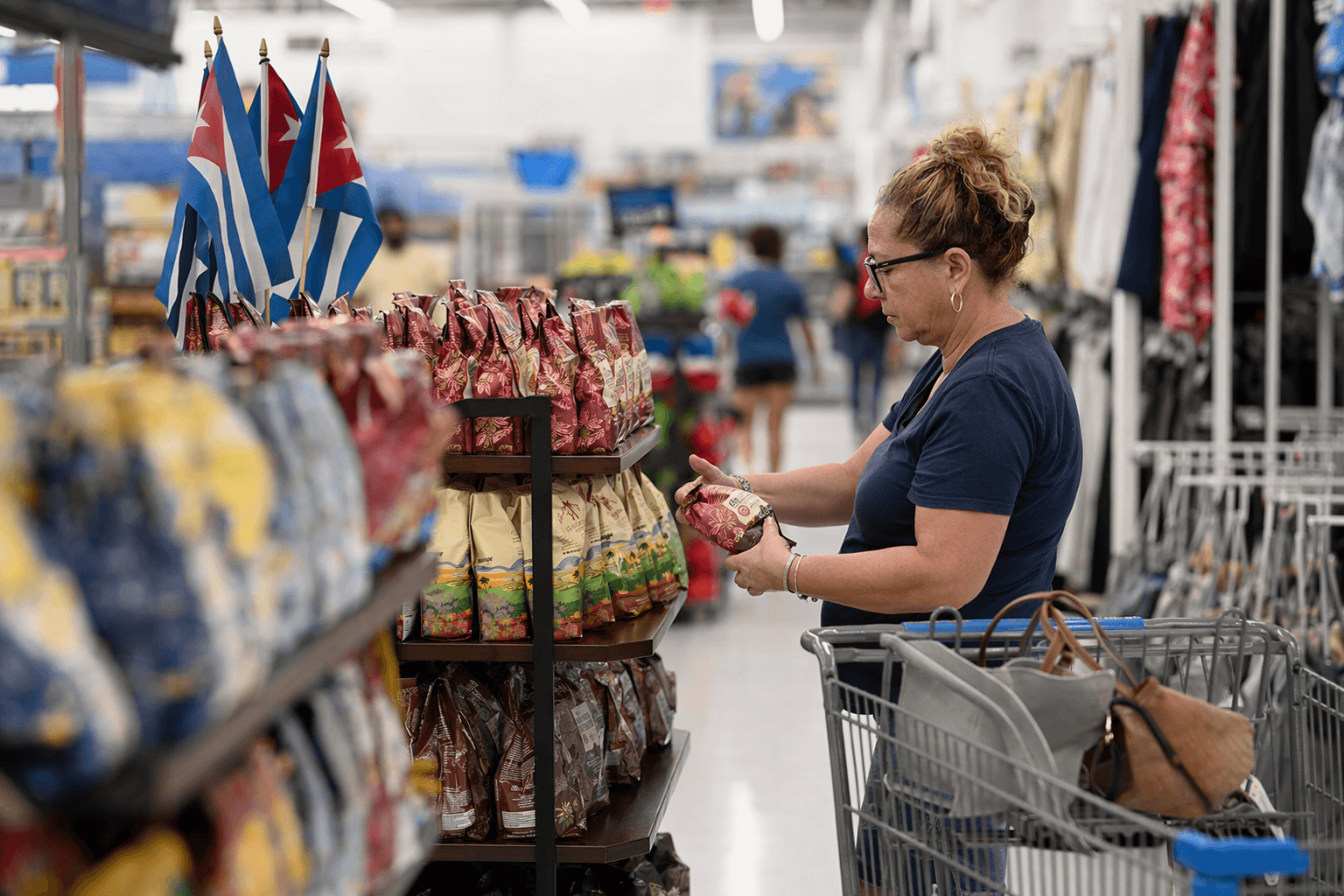
A bigger push into local products could mean more shelf changes, more customer questions and less sameness from store to store. Bloomberg reported on April 30 that Walmart is widening region-specific assortments to pull in more shoppers and lift sales, and PYMNTS said the move comes as consumers feel more squeezed. In some Florida stores, that already looks like Cuban-inspired coffee and beans from a regional producer, a sign that the chain may be leaning harder into items that feel tied to a particular market.
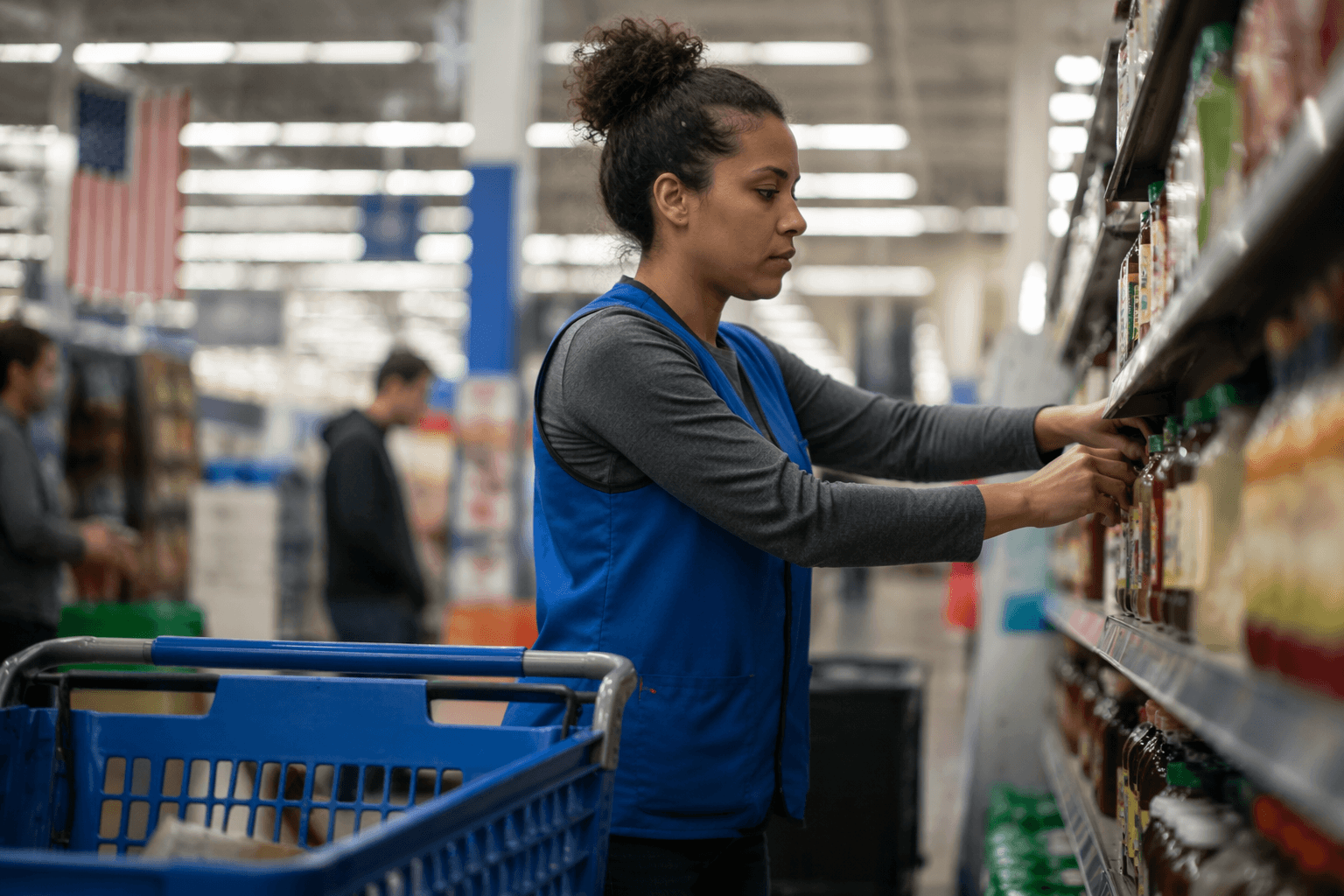
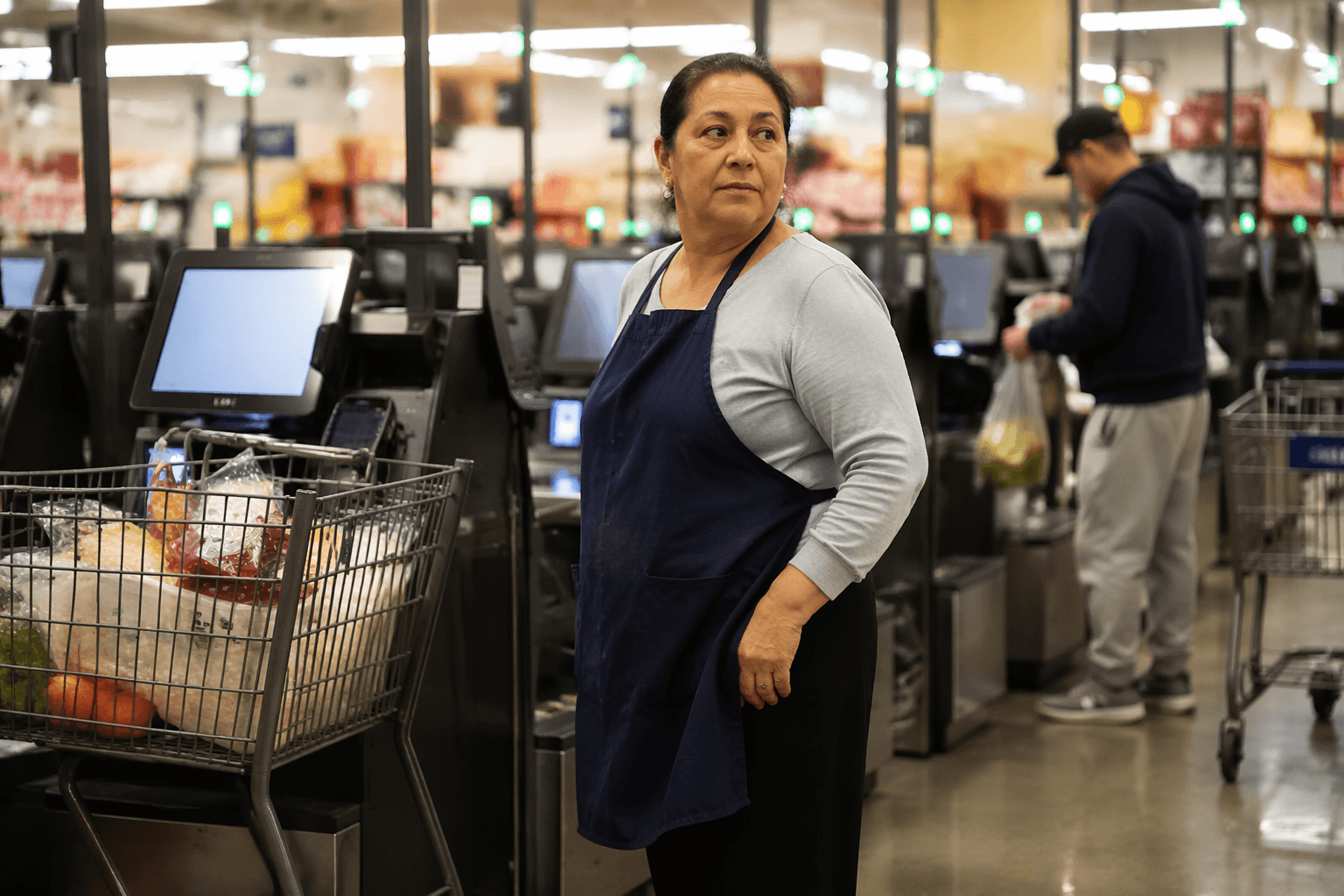
For store teams, that kind of shift usually shows up far from the boardroom. Receiving teams can end up handling smaller, more localized vendor flows instead of one clean national drop. Department managers may see more one-off signage, more seasonal or region-specific displays, and more resets that do not look identical across nearby stores. Associates on the sales floor are the ones who will have to answer the obvious customer question: why is this here, and why might it not be here next week? If Walmart wants local products to drive traffic, then consistency becomes the operational test, not the marketing line.
That tension matters because Walmart is also in the middle of a broad store investment cycle. On April 16, the company said it planned more than 650 scheduled remodels of Supercenters and Neighborhood Markets in 2026, along with about 20 new store openings in 2026 and early 2027. Walmart said updated stores may include expanded assortments, eye-catching displays and location-specific improvements. In practice, that gives store managers more room to tailor merchandise, but it also raises the odds that inventory will vary by market and that associates will need tighter communication with customers when a regional item sells through fast.
The scale behind the strategy is enormous. Walmart says it serves about 270 million customers each week, operates more than 10,750 stores and eCommerce websites in 19 countries and generated $681 billion in total revenues in FY2025. The company has long tied local sourcing to its identity, saying Sam Walton launched a “Buy American” initiative in 1985 and that Walmart committed in March 2021 to invest an incremental $350 billion in products made, grown or assembled in the U.S. Walmart says more than two-thirds of its U.S. total product spend in FY2024 was on items suppliers reported were made, grown or assembled in the United States.
Florida is one place where the local message is being backed with money. Walmart said it planned to remodel 58 stores in the state in 2026, after investing $1.5 billion statewide over the past five years. It also said Walmart and the Walmart Foundation have donated $138.7 million to local nonprofits in Florida and provided 70.2 million pounds of food to help fight hunger. That makes the local-products push more than a merchandising tweak. It is part of a wider effort to win traffic by making stores feel closer to the communities they serve, while keeping the promise of everyday low prices intact.
This article was produced by Prism’s automated news system from verified source data, official records, and press releases, then run through automated quality and moderation checks before publishing. The system is built and supervised by the people who set the standards it runs under. Read our full AI policy.
Did this article answer your question?