Walmart workers face supply delays as U.S. business activity improves
U.S. business activity picked up in April, but Walmart stores still face slower deliveries, higher prices and tighter inventory control as supply lines stay shaky.
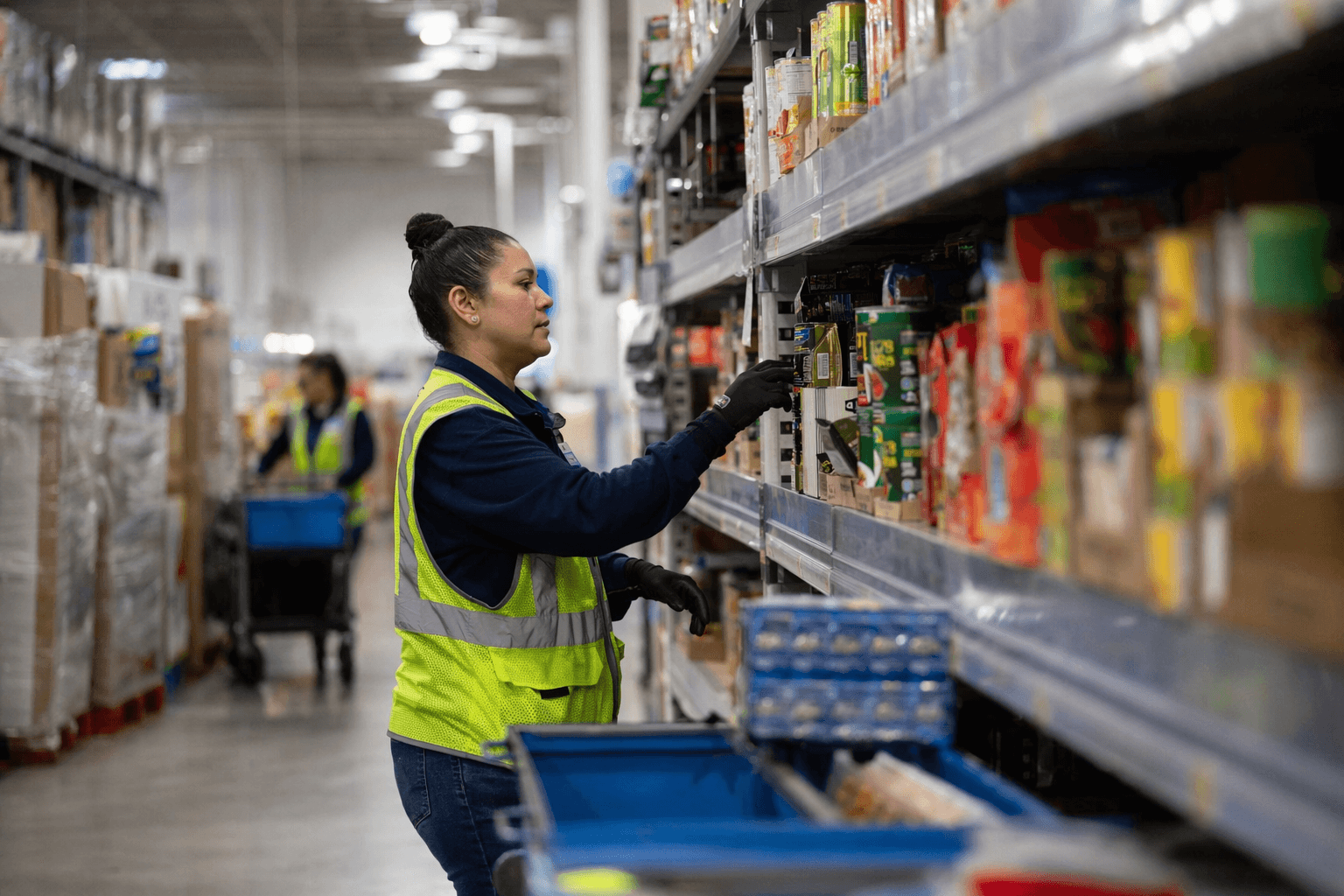
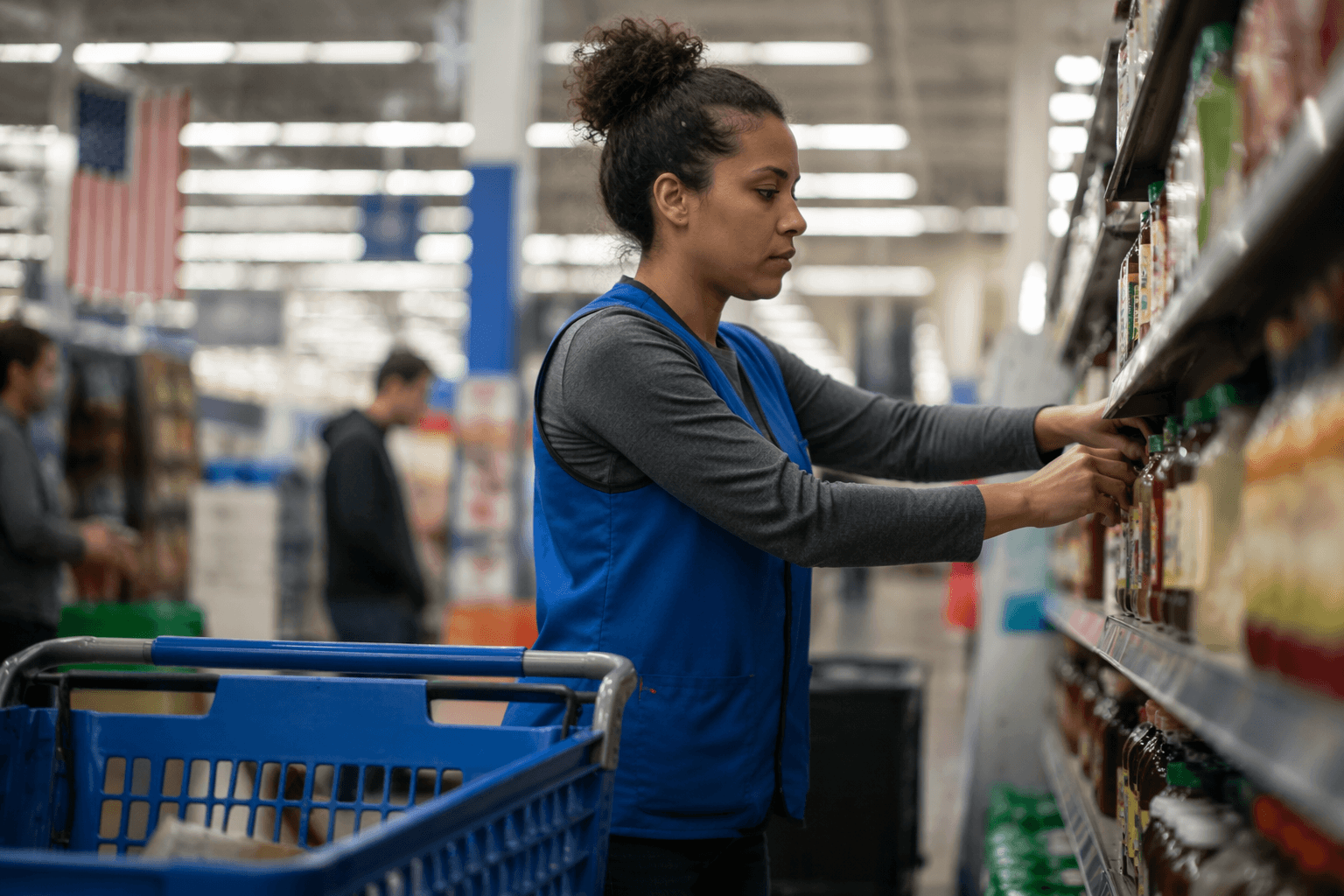
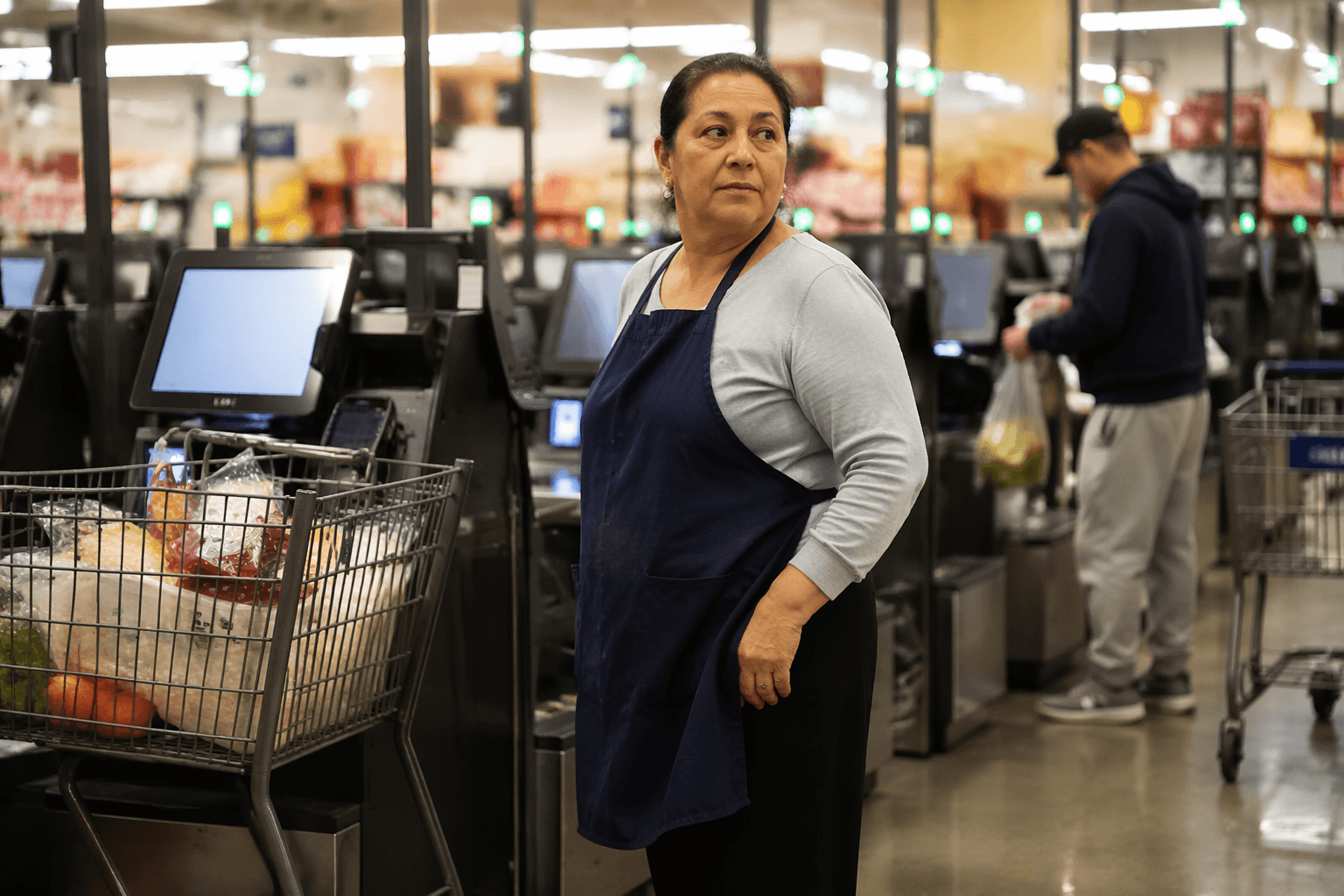
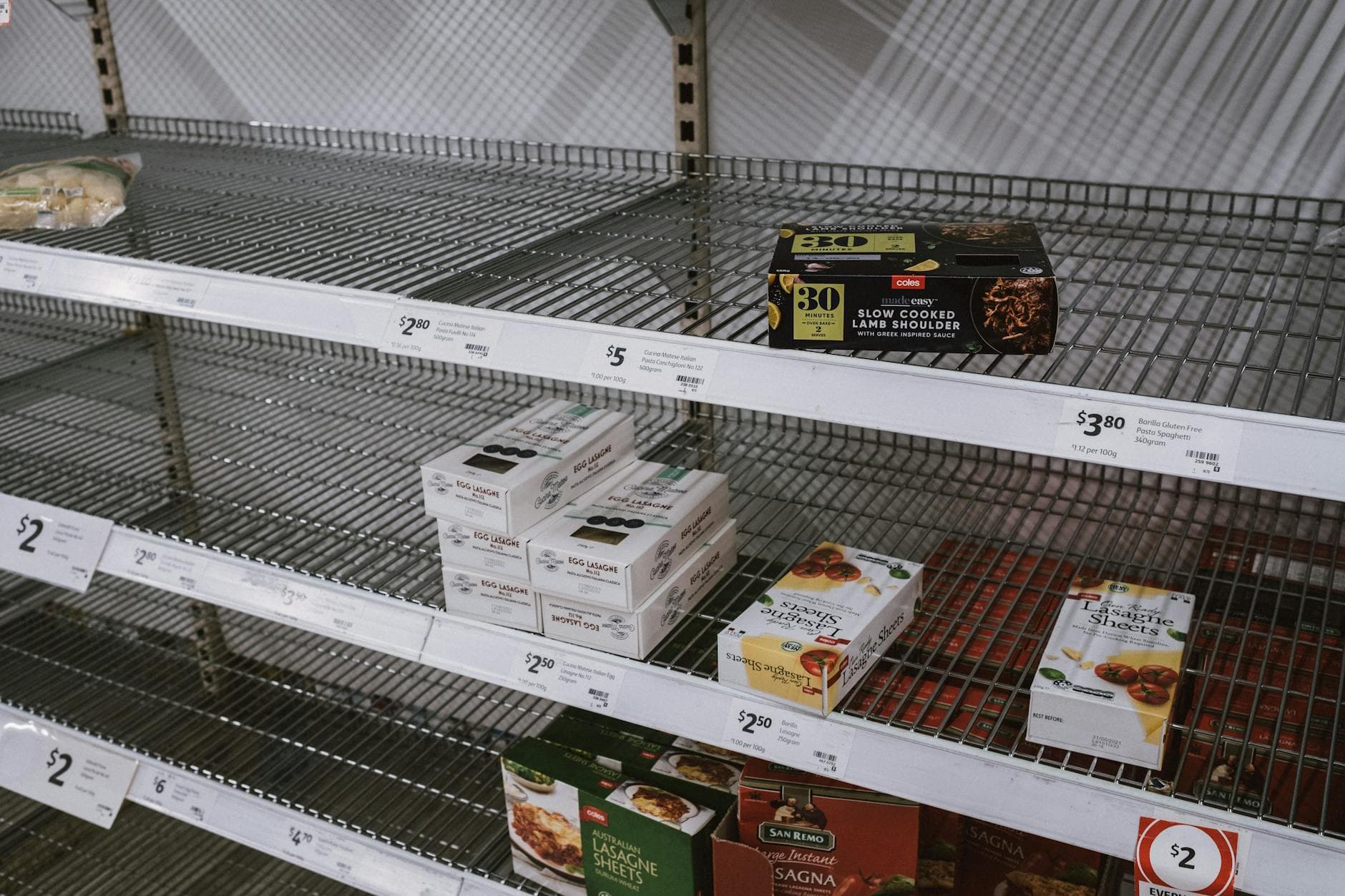
Walmart workers are heading into a period where stronger sales activity does not mean smoother store operations. The flash U.S. Composite PMI climbed to 52.0 in April from 50.3 in March, a sign the economy expanded after nearly stalling, but supplier delivery times worsened and output prices rose to a near four-year high as the war with Iran disrupted supply chains. For associates on the sales floor and in the back room, that combination usually shows up first as late freight, thinner shelves and more customer questions about substitutions and out-of-stocks.
That matters at Walmart because the company has been explicit about the risks it is still managing. In its 2026 Annual Report and Proxy Statement, issued April 23, Walmart said its outlook continued to be shaped by inflation or deflation, supply chain challenges, tariffs and recessionary pressures. The report also said the annual shareholders’ meeting will be held Thursday, June 4, in Bentonville, Arkansas, underscoring how closely management is tying execution to the current operating environment.
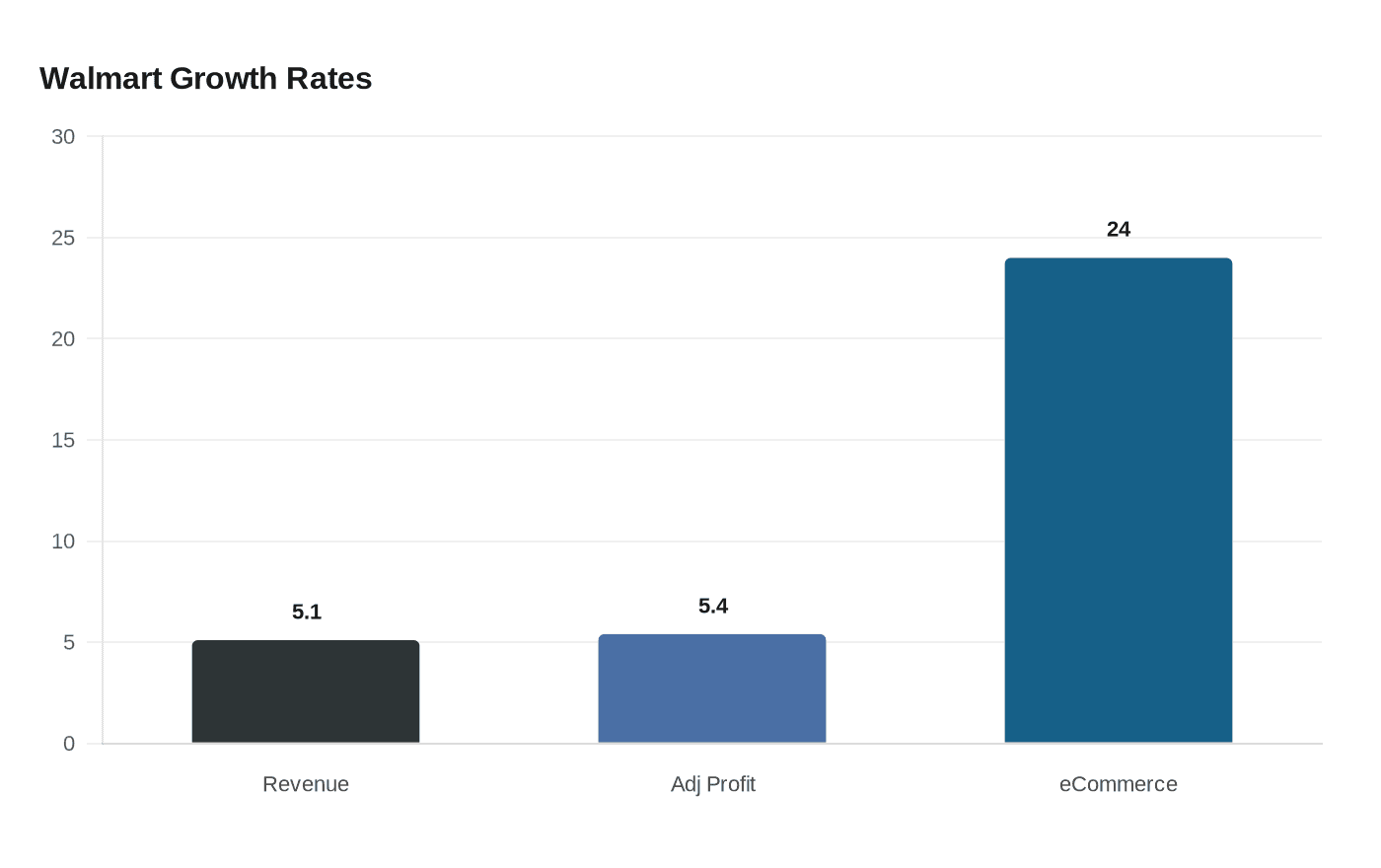
John Furner, in his first letter as president and CEO, pointed to FY26 revenue growth of 5.1% in constant currency, adjusted profit growth of 5.4% and global eCommerce growth of 24%. He also highlighted Walmart’s 2.1 million associates worldwide. The message for store teams is clear: growth is still coming through the system, but it is landing in an environment where managers have to be more disciplined about inventory flow, labor deployment and shelf availability when supply timing gets less predictable.
That pressure has not gone away even with Walmart’s investment push. In its Q4 FY26 earnings release on February 19, Walmart said it continued to invest in supply chain automation and was seeing benefits from automation-related inventory through better unit productivity and lower cost to serve. In plain terms, that means the company is trying to move merchandise more efficiently, but those gains can be strained when delivery windows slip or input prices jump. In stores, the daily effect is often more overtime to recover freight, more scheduling volatility when deliveries arrive late, and more pressure on department managers to explain why fast-moving items are not yet on the shelf.
Walmart executives have been preparing for this kind of backdrop. At the company’s April 9, 2025 Investment Community Meeting, leaders said they wanted flexibility to invest in price as tariffs were implemented, and chief financial officer John David Rainey said Walmart tends to emerge stronger from periods of uncertainty. For workers, the current read-through is less about the headline PMI number than about the practical signs on the floor: what comes in, what stays on time, and how much strain the store absorbs when the road from supplier to shelf gets bumpy.
This article was produced by Prism’s automated news system from verified source data, official records, and press releases, then run through automated quality and moderation checks before publishing. The system is built and supervised by the people who set the standards it runs under. Read our full AI policy.
Did this article answer your question?