Walmart’s My Time helps associates track schedules and pay
My Time is the hub where Walmart schedules, time off, and pay-related timing meet. Checking it early can help associates avoid missed hours, attendance points, and last-minute shift conflicts.
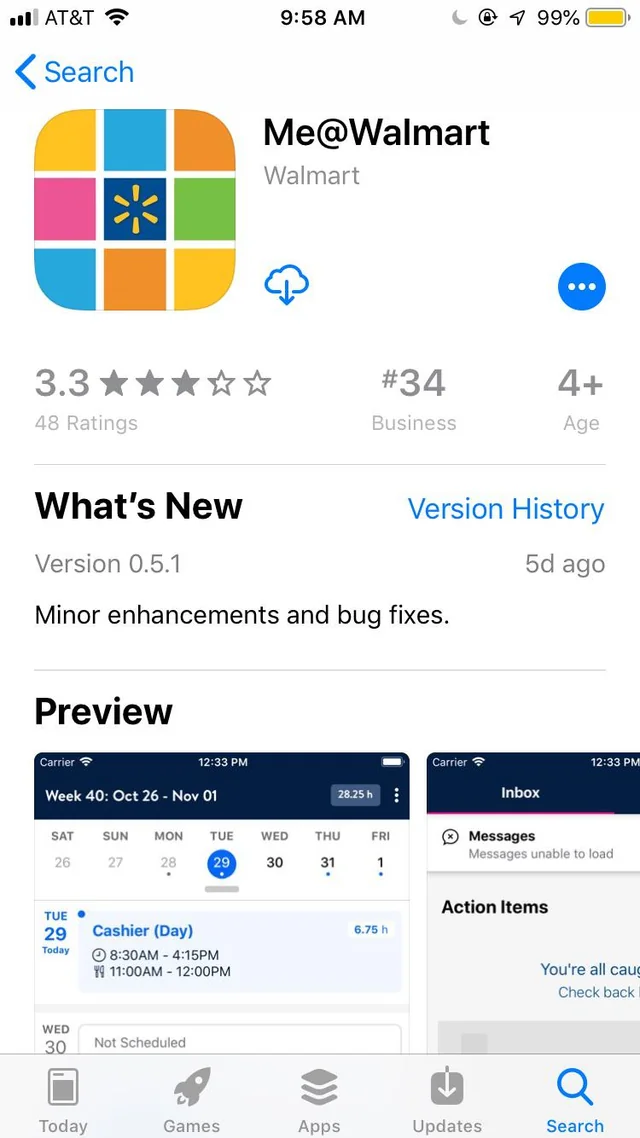
By Aug. 17, 2023, Walmart described the Me@Walmart app as the place where associates can see schedules up to two weeks in advance, pick up extra shifts, trade shifts with each other, and view and request time off. My Time is where Walmart associates can see the schedule they are expected to work and the time-related information that can affect pay, attendance, and coverage. For hourly workers, that matters most when a shift changes, a request is pending, or a day off needs to line up with PTO or PPTO before a conflict turns into a payroll or attendance problem.
What My Time does inside Walmart’s scheduling system
Walmart pushed scheduling tools as part of a broader effort to give associates more consistency and flexibility. In a Nov. 13, 2018 corporate announcement, the company said a new scheduling system would improve both.
It gives associates one place to check what is scheduled, compare it with personal commitments, and spot changes before they become missed-shift problems. For hourly retail work, where coverage can shift quickly based on customer traffic, freight flow, training, and break coverage, having the schedule in front of you is the first step in avoiding surprises.
Why time-off tracking matters before attendance becomes a problem
The biggest payroll-adjacent risk for most hourly associates is not just whether they work the right hours, but whether the system records the right reason when they do not. Under Walmart’s Protected Paid Time Off materials, hourly field associates and hourly campus/corporate associates in locations with local paid sick leave laws earn time in two buckets: regular PTO and Protected PTO, or PPTO. PPTO is how Walmart provides paid sick leave to associates, including in places where paid sick leave is not legally required.
Walmart’s manager FAQ says using available PPTO for an unplanned absence, such as a missed shift, a tardy late-in, or an early out, can protect an associate from attendance occurrences or points when enough PPTO is used to satisfy the Attendance Policy. In practice, My Time is where associates should be checking whether their time-off choices and actual schedule line up before the absence is reflected in attendance tracking.
For hourly workers, that means the system is not just about seeing a shift. It is about seeing whether a shift can be covered by earned time off, whether a request is still pending, and whether enough protected time remains to reduce attendance risk.
How PPTO and PTO work together
Walmart’s time-off structure has changed over time, and the company made a major shift on Feb. 1, 2019, when it announced increased rewards and Protected PTO nationwide. Regular PTO and PPTO serve different purposes, and associates need to track both when planning time away from work.
One Walmart PTO materials state that hourly associates on the National Protected PTO Plan earn regular PTO at a rate of 1 PTO hour for every 11.82 hours worked. The company’s PTO fact sheet says unused PTO may carry over to the next plan year and some unused time may be cashed out, depending on the plan. My Time is useful not only for next week’s schedule, but also for watching how time off is earned and used across the year.
For associates trying to plan appointments, school schedules, childcare, or a second job, these details determine whether a request can be handled with PTO, whether PPTO needs to be reserved for an unexpected absence, and how much time remains available if a shift needs to be covered on short notice.
What managers are watching when they use the same tools
Scheduling tools are just as important for department managers and assistant managers because they help match labor with demand. A schedule that only fills slots is not enough in a store as large and busy as Walmart. It has to cover registers, freight, breaks, and training while still leaving enough flexibility to handle customer flow and unexpected callouts.
Management uses the same system to organize coverage more efficiently. When associates know where to look for schedule changes, managers spend less time fixing misunderstandings and more time running the department.
A clear scheduling system can reduce the number of conversations that start with “I thought I was off” or “I did not see the change.” For managers, fewer of those disputes means fewer attendance corrections and less rework at the end of the week.
Why the scale of the system matters
Walmart said in a 2025 corporate announcement that it has 1.5 million associates in the U.S. That scale gives every scheduling change outsized impact. Even a small improvement in how workers see shifts, request time off, or check the status of paid leave can affect a huge number of hourly employees across stores, clubs, and corporate locations.
This article was produced by Prism’s automated news system from verified source data, official records, and press releases, then run through automated quality and moderation checks before publishing. The system is built and supervised by the people who set the standards it runs under. Read our full AI policy.
Did this article answer your question?