Walmart’s Open Door gives associates a formal way to raise concerns
Walmart’s Open Door and MyFeedback portal give associates a documented path to escalate pay, safety, scheduling, or supervisor issues before they linger.

When a problem will not get fixed at the department level, Walmart gives associates a formal route to move it up. The company’s Open Door process, its Ethics Entry Portal branded through MyFeedback, and its public Report a Concern page all sit inside the same “Speak Up” framework, which is built to handle issues that affect work, pay, safety, or treatment on the floor.
Start with the department level
Not every complaint needs to jump straight to a formal ethics channel. A schedule mix-up, a policy question, a one-off equipment issue, or a misunderstanding with a supervisor usually belongs first with the person closest to the problem, because retail moves fast and many issues can be corrected quickly at the store level.
That first conversation matters because Walmart’s ethics materials treat raising concerns as part of the job, not as a side conversation. The company’s Statement of Ethics includes a section on “Raising Concerns & Speaking Up,” which puts a clear expectation on associates to use the process instead of letting a problem sit unresolved.
When Open Door or MyFeedback is the right move
Open Door becomes the better path when the issue is not getting fixed, when the concern involves a supervisor, or when the problem reaches beyond one department. Walmart’s ethics materials tie that approach to a broader Speak Up structure that covers reporting concerns, asking questions, and raising issues through formal channels.
That includes situations involving scheduling, treatment by a supervisor, workplace safety, policy questions, ethics concerns, attendance disagreements, schedule conflicts, harassment, equipment concerns, or questions about whether a rule has been applied consistently. The point of the portal is not just to complain, but to move a concern into a documented channel when an informal conversation has not solved it.
For hourly associates, that distinction matters because time, pay, safety, and respect are often connected. A schedule error can affect wages, a safety concern can affect whether the job can be done, and a supervisor dispute can affect whether someone feels able to keep showing up and doing the work.
What to write down before you file
Walmart’s ethics guidance emphasizes reporting concerns through formal channels, and that works best when the associate comes in with specifics. Before using MyFeedback, Open Door, or another ethics route, write down the dates, times, names, and the exact issue you want reviewed.
The most useful record is usually the simplest one: what happened, when it happened, who was involved, what you already tried at the department level, and what outcome you want. If the problem is about scheduling, note the shift or schedule change. If it is about conduct, note the manager or coworker involved and the words or actions that made the concern worth escalating.
It also helps to be clear about the remedy you are asking for. Walmart’s process is more useful when the concern is framed as a specific question or fix, rather than a general complaint that leaves managers guessing what resolution would make the situation right.
How the reporting channels fit together
Walmart does not present Open Door as the only option. Its ethics resources include multiple ways to raise concerns, including an ethics reporting channel, the Open Door and ethics entry portal, and the public Report a Concern page. That structure tells associates that the company wants issues surfaced through a formal path, not buried in rumor or handled only off the record.
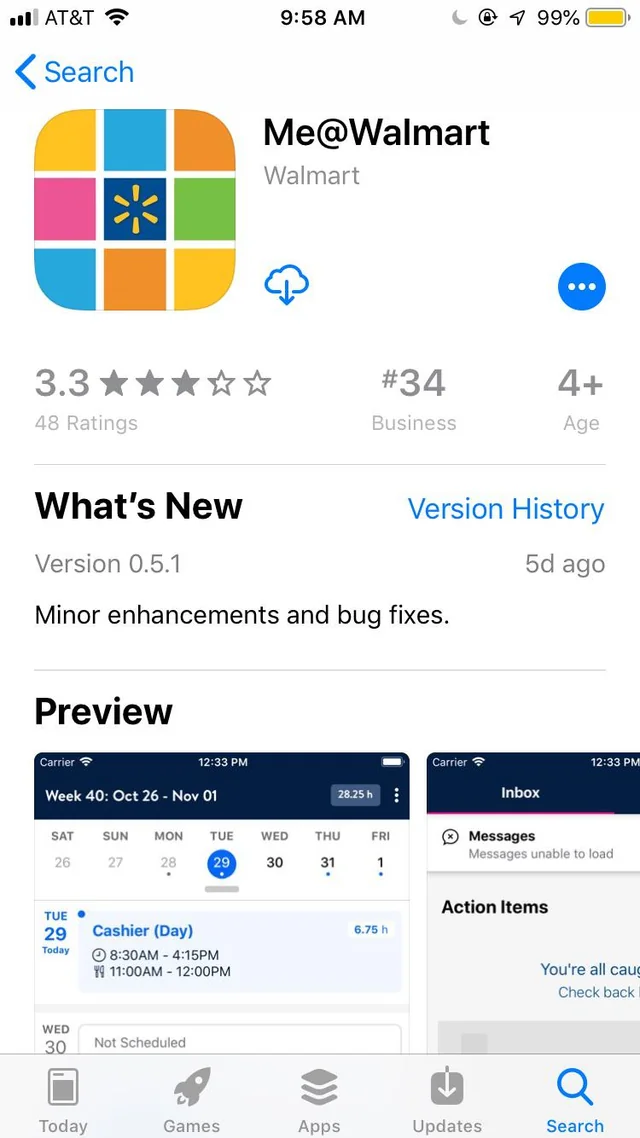
The branding through MyFeedback matters because it turns the process into something associates can find and use as part of normal workplace navigation. For a store that runs on constant movement, shift changes, and hands-on supervision, a digital entry point gives workers a place to document an issue when the conversation on the floor is not enough.
A practical approach is to use the least formal step that can still solve the problem. Start with the supervisor or department manager if the issue is simple and immediate. Move to Open Door or MyFeedback when the issue is unresolved, repeated, sensitive, or tied to a broader concern that needs review beyond the department.
Why non-retaliation language matters
Walmart’s ethics materials include a non-retaliation principle, and that is not decorative language. It is part of the reason associates are supposed to feel safe using the process if they are worried about a backlash from a report about a supervisor, a policy dispute, or a workplace condition.
The company’s Statement of Ethics and code of conduct frame speaking up as part of integrity and trust. In practice, that means the system is supposed to support reporting, not punish it, and the non-retaliation language is the safeguard that makes the whole process more credible to hourly workers who depend on their next schedule, their next assignment, and their standing with management.
What managers should do when a concern comes up
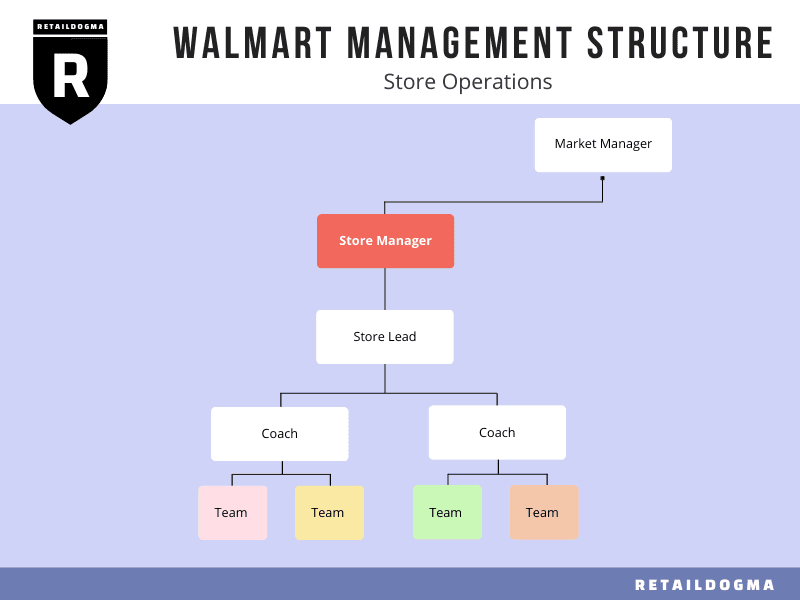
For department managers and assistant managers, the message is straightforward: consistency matters. Associates are more likely to trust the process when concerns are handled professionally, taken seriously, and routed correctly instead of being brushed aside or handled differently depending on who is asking.
That has a direct effect on the store. Walmart’s size makes informal misunderstandings easy to spread, but formal pathways like Open Door help contain problems before they turn into retention issues or a wider culture of silence. The best use of the system is not dramatic escalation; it is a documented review that keeps people from talking past one another.
The bottom line inside Walmart
Open Door, MyFeedback, the ethics reporting channel, and the Report a Concern page all serve the same basic purpose: they give associates a formal way to raise an issue when the department-level fix is not enough. The process works best when the concern is specific, documented, and routed early, before a schedule dispute, safety issue, or supervisor conflict becomes a deeper workplace problem.
This article was produced by Prism’s automated news system from verified source data, official records, and press releases, then run through automated quality and moderation checks before publishing. The system is built and supervised by the people who set the standards it runs under. Read our full AI policy.
Did this article answer your question?