Walmart’s scheduling system balances predictable hours with peak staffing
Walmart’s system pairs fixed shifts with flex shifts to keep peak hours covered. For associates, the real test is whether hours stay steady or swing with traffic.
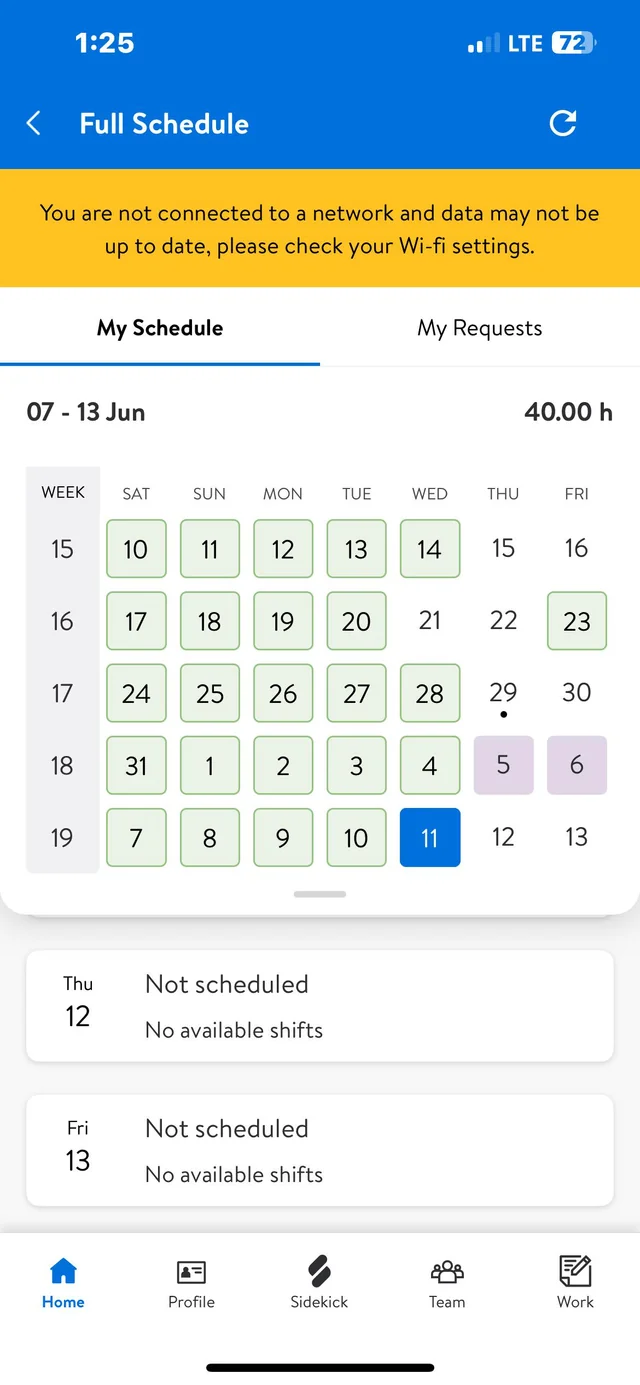
Walmart’s “Customer First Scheduling” paired fixed shifts with flex shifts to lock in some weekly hours while letting other labor move with customer traffic. For associates, the schedule is more than a roster, because it directly shapes pay, child care, school, and the second job that often depends on it.
How the schedule is built
The basic design is simple enough to understand, even if the consequences are not. Fixed shifts give some workers the same weekly hours, and by Feb. 17, 2016, those hours could be guaranteed for as long as a year. Flex shifts, by contrast, allow associates to build their own schedules, which gives management a way to cover labor needs without locking every hour into a rigid template.
Walmart planned to make both options available by the end of 2016. It was trying to build a system that could work across a giant retail chain with different traffic patterns, different department needs, and different staffing gaps from week to week.
Why peak-hour staffing matters inside the store
The scheduling push aimed to improve peak-hour staffing, and that is the real operational goal underneath the policy language. A store can be adequately staffed on paper and still be understaffed at the exact hour freight comes in, customers flood the front end, or online pickup volume spikes. Walmart’s model was built to use fixed labor where consistency matters and flex labor where traffic demands change fast.
That is why the system matters to department managers and assistant managers as much as to hourly associates. Scheduling determines whether a department has enough coverage for freight, zoning, customer service, and online order picking during rush periods. If the schedule misses the rush, the same workers who were supposed to be protected by better planning end up absorbing the pressure on the floor.
The money behind the rollout
Walmart’s schedule changes did not happen in isolation. In 2016, Walmart was investing $2.7 billion on pay and benefits, which puts the scheduling effort in the same bucket as wages and total compensation. For an hourly worker, that means the issue is not just how many people are on the clock, but whether the hours offered are stable enough to make the paycheck usable.
In 2016 and 2018, Walmart kept refining the approach rather than treating it as a one-time update. On Feb. 22, 2016, Walmart was rolling out more improvements to worker schedules, and on Aug. 5, 2016, it had new staffing software aimed at honing peak-hour scheduling. By Nov. 13, 2018, Walmart said its new scheduling system was giving associates more consistency and flexibility, and on Nov. 14, 2018, Walmart announced predictive scheduling for all U.S. stores.
What fixed shifts and flex shifts mean for different workers
The tradeoff is clearest when you look at the two schedule types side by side. A fixed shift is valuable if you need the same weekly hours to plan child care, commute costs, school, or a second job. It reduces the whiplash that comes from wondering whether next week will look like this week, and it gives full-time associates a more stable base if the store actually honors the promise.
Flex shifts work differently. They can give associates more control over when they work, which may help if you want to stack hours around class or family demands, but that flexibility cuts both ways. If traffic forecasts are off or management shifts labor to a different part of the week, flex hours can become the part of the schedule that gets squeezed first.
That difference matters for part-time and full-time workers in practical terms. Part-time associates often need access to hours and may be more exposed to swings when the store is trying to match labor to customer traffic. Full-time associates are more likely to value the certainty of a fixed weekly schedule, but they still depend on management using the system honestly and consistently.
How to protect your hours when the system misses
A scheduling model only works if the forecast is close to reality. When it is not, the worker impact shows up immediately in shorter paychecks, clumped shifts, or departments that are too thin during the busiest part of the day. The right move is to treat schedule problems as a pattern, not a one-off annoyance.
- Compare the hours you were promised with the hours you are actually getting.
- If you are on a fixed shift, ask when the weekly-hour commitment changes and whether it is still being followed.
- If you are on a flex shift, look for repeated reductions that line up with slow periods or misread traffic.
- Bring up specific misses, especially if your department keeps getting hit during freight, zoning, customer service, or online pickup rushes.
- Keep notes on when the gaps happen, because the issue is usually clearer when you can point to a recurring week or time block.
This article was produced by Prism’s automated news system from verified source data, official records, and press releases, then run through automated quality and moderation checks before publishing. The system is built and supervised by the people who set the standards it runs under. Read our full AI policy.
Did this article answer your question?