Whole Foods union push underscores retail labor concerns at Walmart
A Philadelphia Whole Foods store cleared a key NLRB review hurdle, showing how retail organizing advances store by store before any bargaining begins.
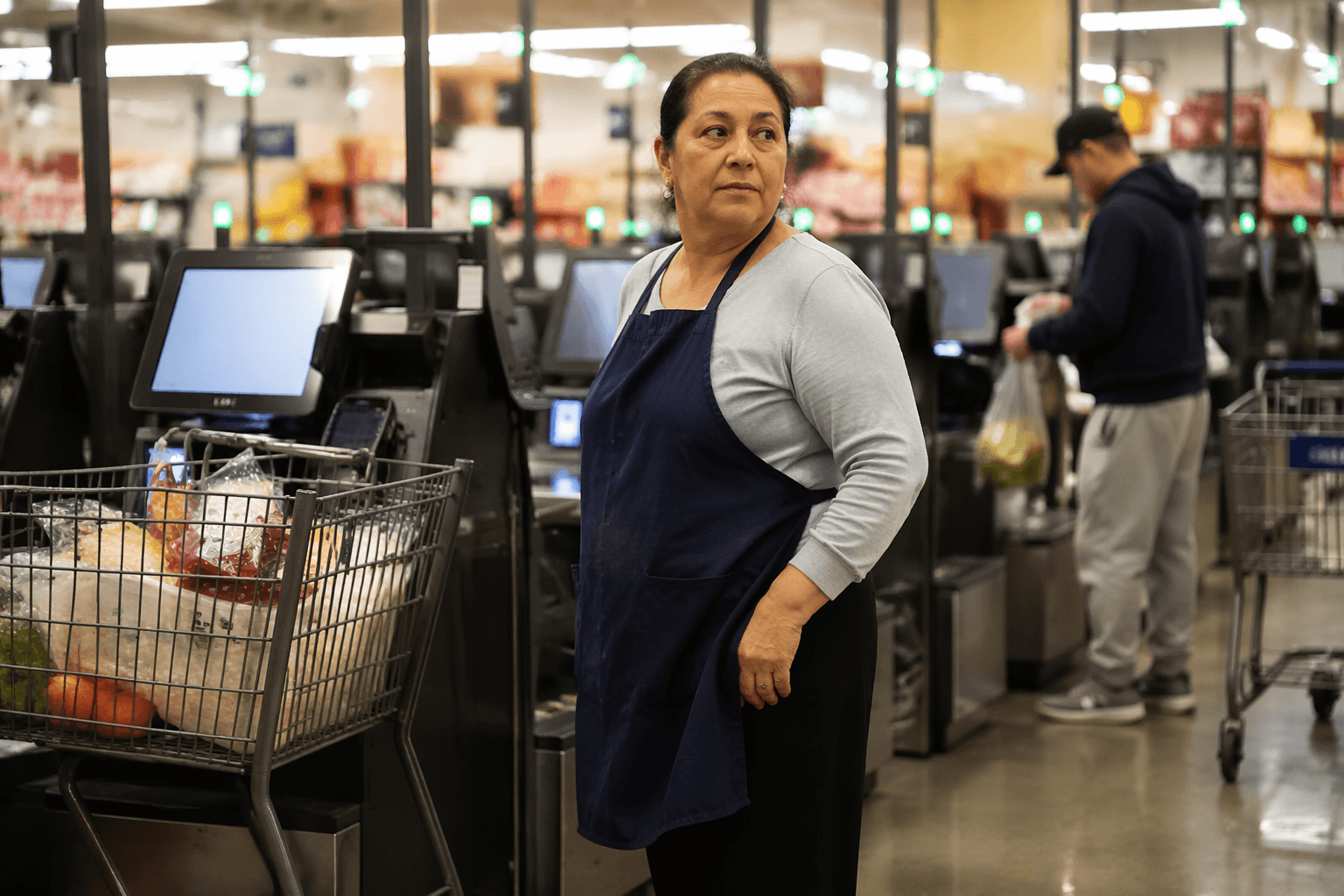
A Whole Foods store in Philadelphia cleared a key National Labor Relations Board review hurdle, and that matters at Walmart because it shows how retail organizing really moves: one store, one vote, one certification, then a bargaining demand. The June 15 ruling did not create a contract, but it did leave the union in position to press Whole Foods to negotiate.
The vote at 2101 Pennsylvania Avenue was a narrow but clear win for the union. The case was filed Nov. 22, 2024. When the tally was issued Jan. 27, 2025, 297 workers were eligible to vote, 230 ballots were counted, and the union won 130-100, with 1 void ballot and 3 challenged ballots. The bargaining unit covered full-time and regular part-time team members, team trainers, order writers, non-management supervisors, store scanning specialists, butchers, store receivers, lead store receivers, cooks, dishwashers, bakers, catering liaisons, bakery decorators, shoppers and Whole Body buyer-specialists.

Whole Foods sought review in June 2025, arguing that limits on captive-audience meetings and union conduct tainted the election. The NLRB board rejected that request on June 15, allowing the certification to stand. UFCW Local 1776 Keystone State said it would formally issue a demand for bargaining and push Whole Foods to negotiate in good faith. That is the point Walmart associates should watch closely: a headline about a union victory is not the same thing as a ratified contract or a workplace overhaul.
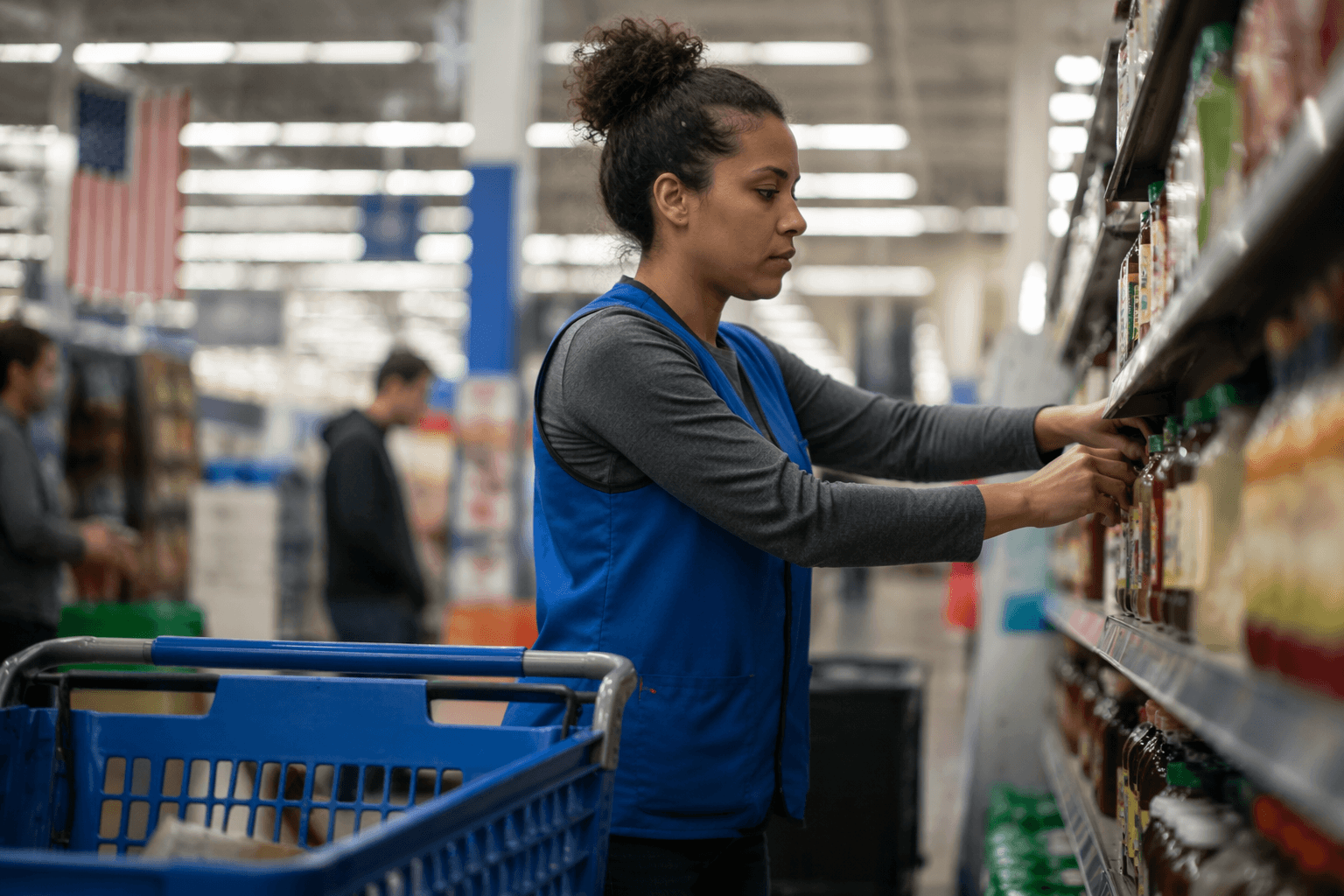
At Walmart, the practical parallel is not about whether the company is the same. It is about the pressure points that can build organizing interest in any large store network, including schedules, safety, pay, attendance and whether workers feel they have a path to raise problems before they harden into a campaign. Walmart’s own reporting says associates can raise concerns through managers, next-level managers, People Leads and ethics channels, but the company’s size makes that system especially important. In FY2025, Walmart said it served about 270 million customers each week, employed about 2.1 million associates, operated more than 10,750 stores and eCommerce sites in 19 countries, and generated $681 billion in revenue.
Recent developments show the issue is not theoretical. Walmart investors rejected a June 4 shareholder proposal asking for a report on how artificial intelligence affects workers’ well-being, after an overnight worker in Spokane, Washington said AI-driven standards were contributing to injuries, burnout and high turnover. In Mississauga, Ontario, more than 800 Walmart warehouse workers ratified a first collective agreement in North America in May 2026, with reported wage increases of up to $5 an hour in year one and another 3% in year two. For Walmart, the lesson is plain: organizing momentum starts small, but the mechanics are concrete, and those mechanics are what turn worker frustration into leverage.
This article was produced by Prism’s automated news system from verified source data, official records, and press releases, then run through automated quality and moderation checks before publishing. The system is built and supervised by the people who set the standards it runs under. Read our full AI policy.
Did this article answer your question?