Wholesale inflation jumps to 6.5%, squeezing Walmart pricing and supply chains
Wholesale prices climbed 6.5% in May, adding fresh pressure to Walmart's item-by-item pricing, promotions and labor decisions as tariffs and energy costs rose.

Wholesale inflation kept climbing in May, and Walmart workers are likely to feel it where retail pressure usually lands first: on shelf prices, replenishment plans, promotion timing and the push for tighter labor productivity. The Bureau of Labor Statistics said the Producer Price Index rose 1.1% last month and was up 6.5% over the prior 12 months, the hottest annual reading since November 2022. Goods prices for final demand rose 2.8% in May, while services increased 0.3%, a mix that points to broad cost pressure rather than a one-off spike in a single category.
For Walmart, that kind of wholesale heat quickly turns into operational triage. Buyers and merchants have to decide what gets repriced, what stays on rollback, where to trim assortments and how aggressively to order through supply chains already sensitive to freight, vendor costs and energy swings. The BLS said the June producer price report will come July 15 at 8:30 a.m. Eastern, and that the data can be revised for up to four months, a reminder that the inflation picture can keep shifting even after the first print.

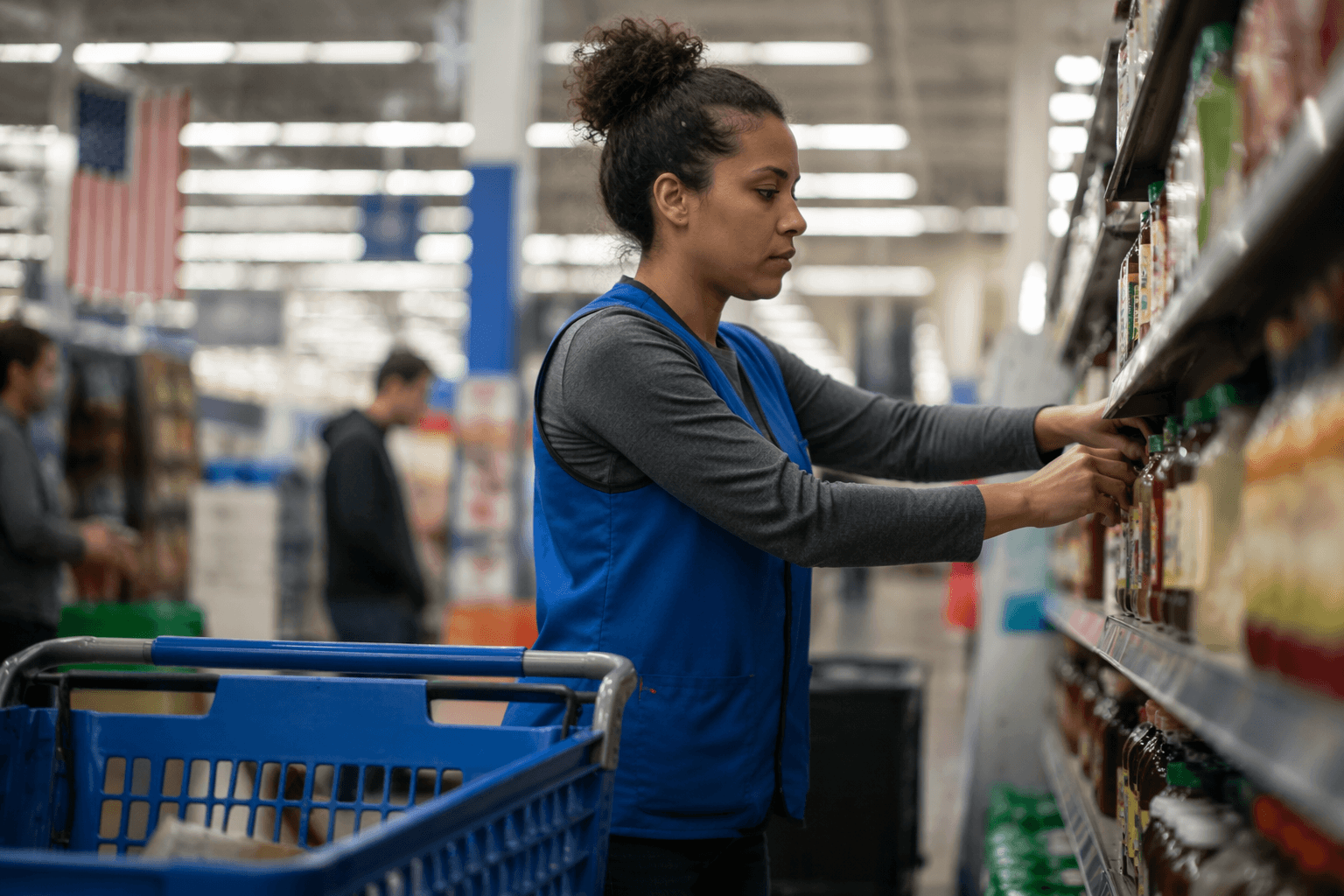
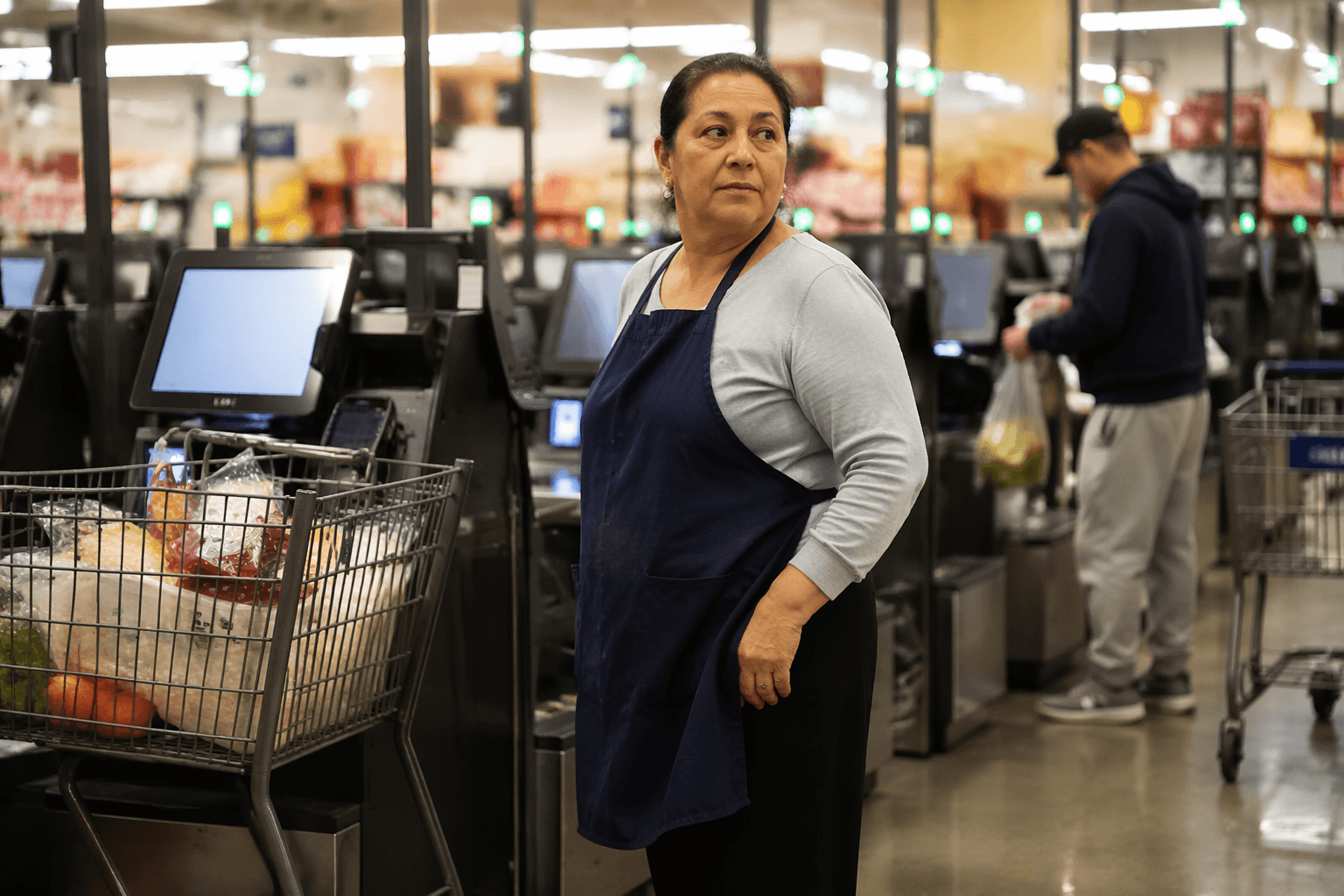
Walmart has already shown how that pressure reaches the sales floor. On its fiscal second-quarter 2026 earnings call, the company said it had begun raising prices on some items while leaving others unchanged as tariff costs rose. Chief Financial Officer John David Rainey said, “This is managed on an item-by-item and category-by-category basis,” while Chief Executive Doug McMillon said middle- and lower-income households were more sensitive to tariff-related price increases, especially in discretionary categories. For hourly associates, that usually means more price changes to execute, more customer questions and more attention from management on execution speed.
The company enters this stretch with some financial cushion, but also with plenty at stake. Walmart said in its 2026 annual report materials, issued April 23 ahead of its Annual Shareholders’ Meeting on June 4, that it employed about 2.1 million associates. It also said fiscal 2026 revenue grew 5.1% in constant currency, adjusted profit rose 5.4% and global eCommerce grew 24%. Even so, its fiscal fourth-quarter call showed inventory up 2.6%, about half the rate of sales growth, and the board authorized a $30 billion share repurchase program, the largest in company history.
The latest producer price report matters because it suggests margin pressure is not easing. April producer prices were already up 6.0% from a year earlier, the biggest increase since December 2022. With wholesale costs still rising, Walmart’s next round of decisions could show up in the store as smaller promotions, tighter stock choices and more pressure to do more with the same labor hours.
This article was produced by Prism’s automated news system from verified source data, official records, and press releases, then run through automated quality and moderation checks before publishing. The system is built and supervised by the people who set the standards it runs under. Read our full AI policy.
Did this article answer your question?