Amazon’s grocery push turns Whole Foods stores into logistics hubs
Amazon is trimming Go and Fresh while leaning harder on Whole Foods, pushing store teams to stock, pick and move groceries as fulfillment nodes.
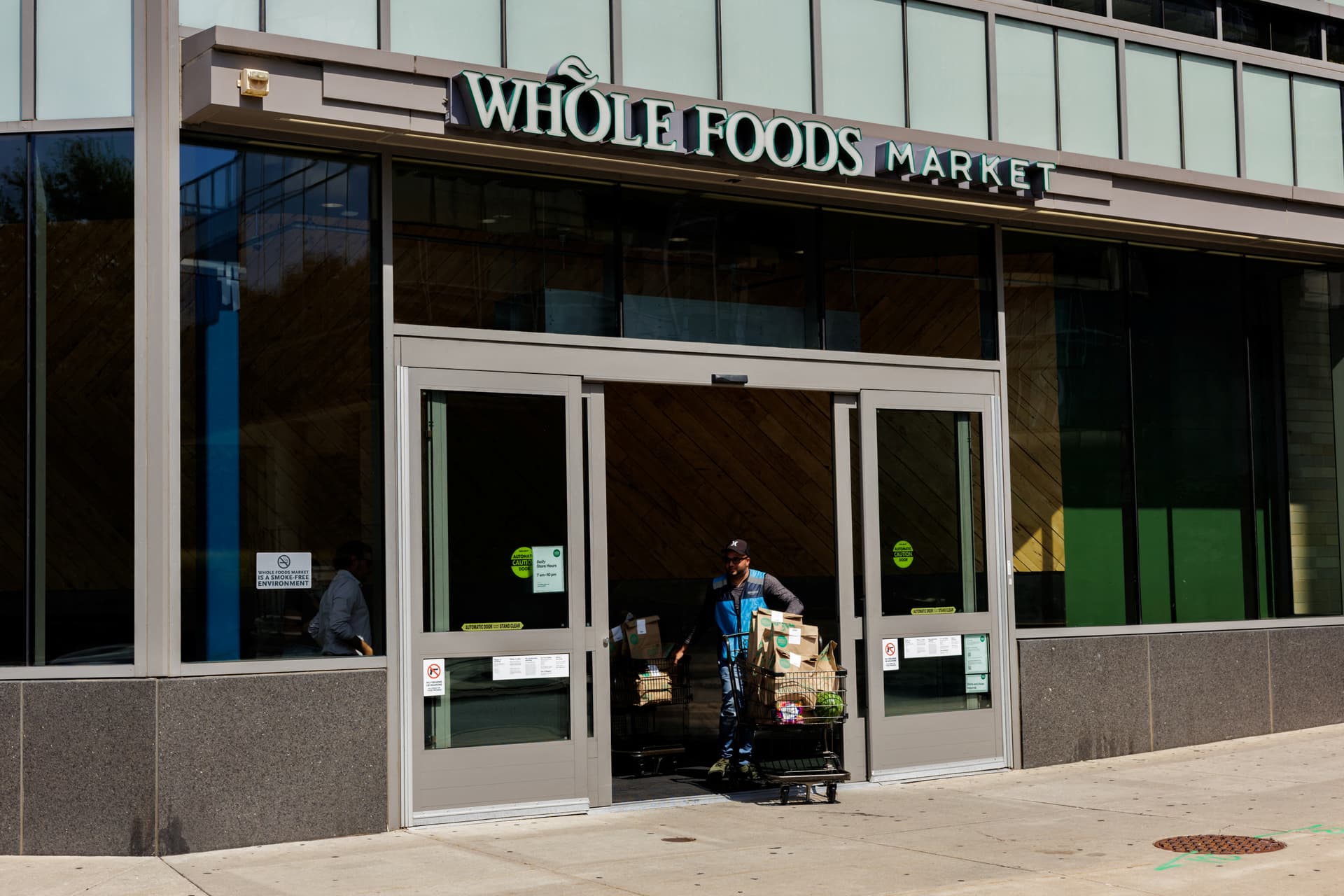
Amazon’s January 2026 decision to close some Amazon Go and Amazon Fresh stores while expanding Whole Foods Market and same-day delivery marked another step in turning grocery into a network business, not just a storefront business. At Whole Foods, that shift shows up on the floor as tighter inventory discipline, faster order movement and a store model built to support delivery as much as in-person shopping.
Amazon announced the $13.7 billion Whole Foods deal on June 16, 2017, when the chain had more than 400 stores. A June 24, 2017 Reuters analysis captured the problem that still shapes the business: industry experts said Amazon would need to add a dozen or more grocery warehouses to make delivery work at scale, because grocery needs a denser physical network than a premium chain alone can provide. Amazon had already been planning to expand grocery outside Seattle as early as 2013, which helps explain why the Whole Foods acquisition was never just about owning stores.
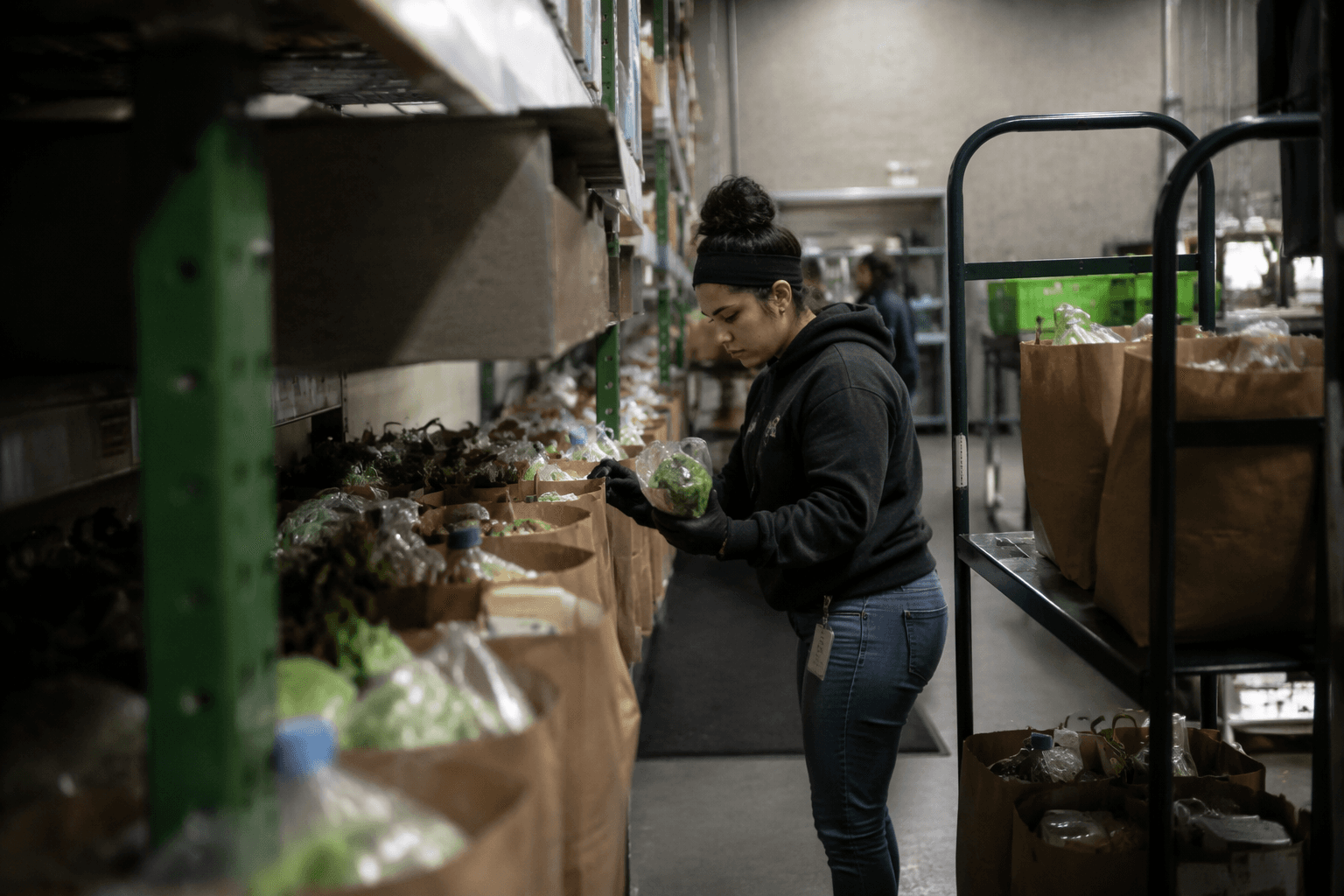
That logic has only become clearer. In 2024, Amazon expanded its $9.99-per-month grocery delivery service for Prime members nationwide, widening the pressure on Whole Foods locations to function as more than sales floors. The stores have to support pickup, fulfillment and last-mile routing while still serving regular shoppers. Whole Foods also introduced Daily Shop, a small-format quick-shop concept for urban neighborhoods in 2024, showing how Amazon has kept testing different footprints to match demand and delivery patterns.
For team members and store leaders, the effect is a broader job definition. Whole Foods locations nationwide are being used as flexible fulfillment assets, and some stores have taken on store-within-a-store and micro-fulfillment features. That changes the tempo of the day: shelves have to stay available, orders have to move cleanly, and inventory has to be accurate enough for both shoppers and delivery promises. The work now blends retail service with logistics performance, which puts more weight on scheduling, tech tools and how quickly departments can respond when demand shifts.
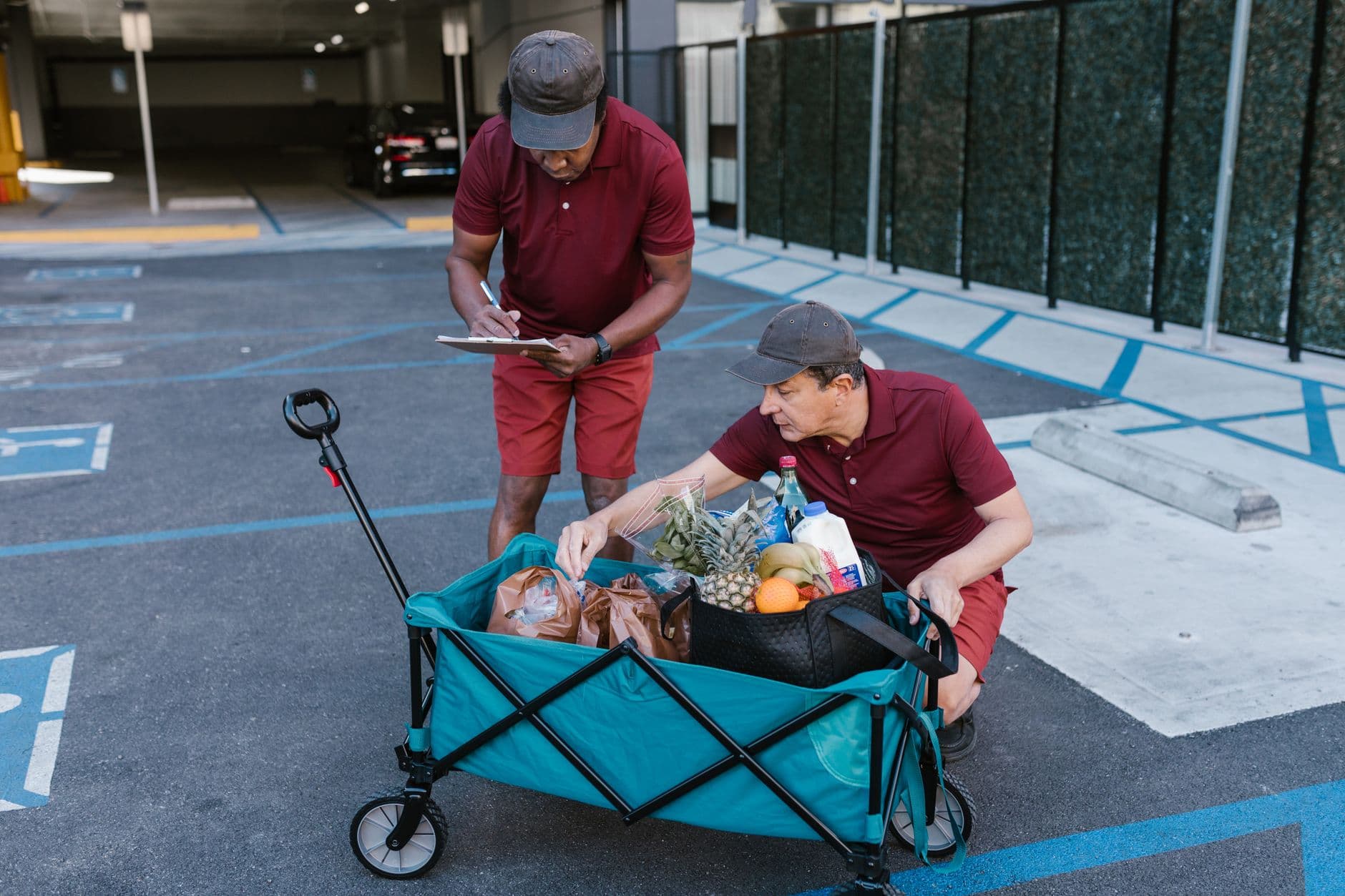
Amazon’s grocery strategy has continued to move around the edges, but the center has stayed the same. Close some Go and Fresh stores, expand Whole Foods, widen same-day delivery, and keep building a grocery system that depends on physical locations doing double duty. For Whole Foods workers, that means the store is increasingly judged not only by what sells at the register, but by how well it keeps Amazon’s broader delivery machine moving.
This article was produced by Prism’s automated news system from verified source data, official records, and press releases, then run through automated quality and moderation checks before publishing. The system is built and supervised by the people who set the standards it runs under. Read our full AI policy.
Did this article answer your question?