Sprouts expands in Texas, Florida and California, raising Whole Foods competition
Sprouts opened three stores in Texas, Florida and California, with 7 a.m. to 10 p.m. hours that put new pressure on Whole Foods for shoppers and workers.
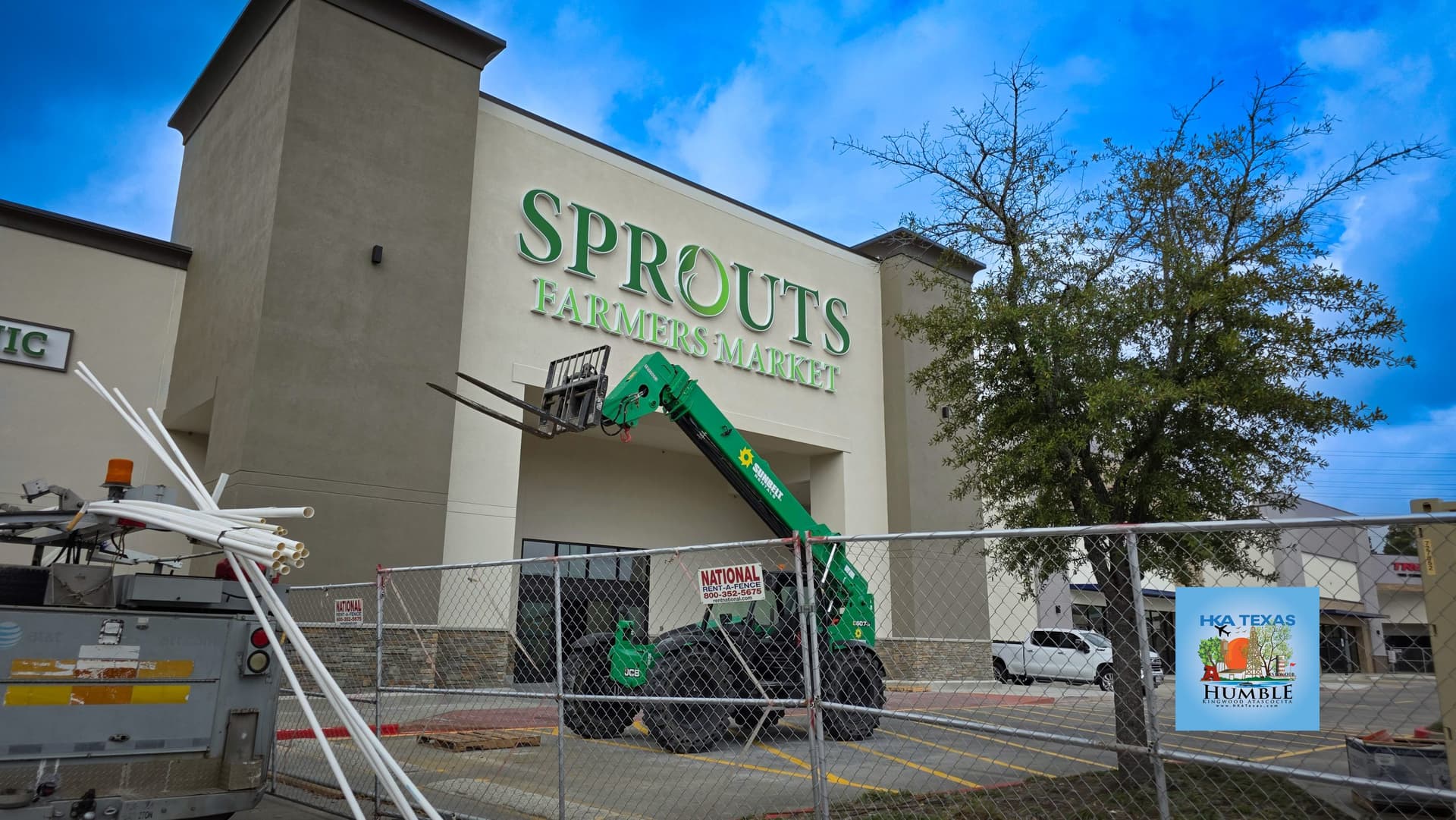
Sprouts Farmers Market opened three stores in Texas, Florida and California, each running daily from 7 a.m. to 10 p.m. For Whole Foods Market teams, that put a fresh rival on the same turf for the same shopper: someone chasing natural and health-oriented groceries without giving up value.
The Florida push had been building for months. Sprouts said on Jan. 16, 2025 that it was kicking off the year with its first store opening in Florida, then said on Jan. 29 that it planned to expand its Florida footprint with more than seven stores slated to open in 2025. By April 24, the company was hosting hiring events as it prepared to open its second Texas location of the year, and a separate hiring notice said it planned to bring on 93 team members for a final Florida location.
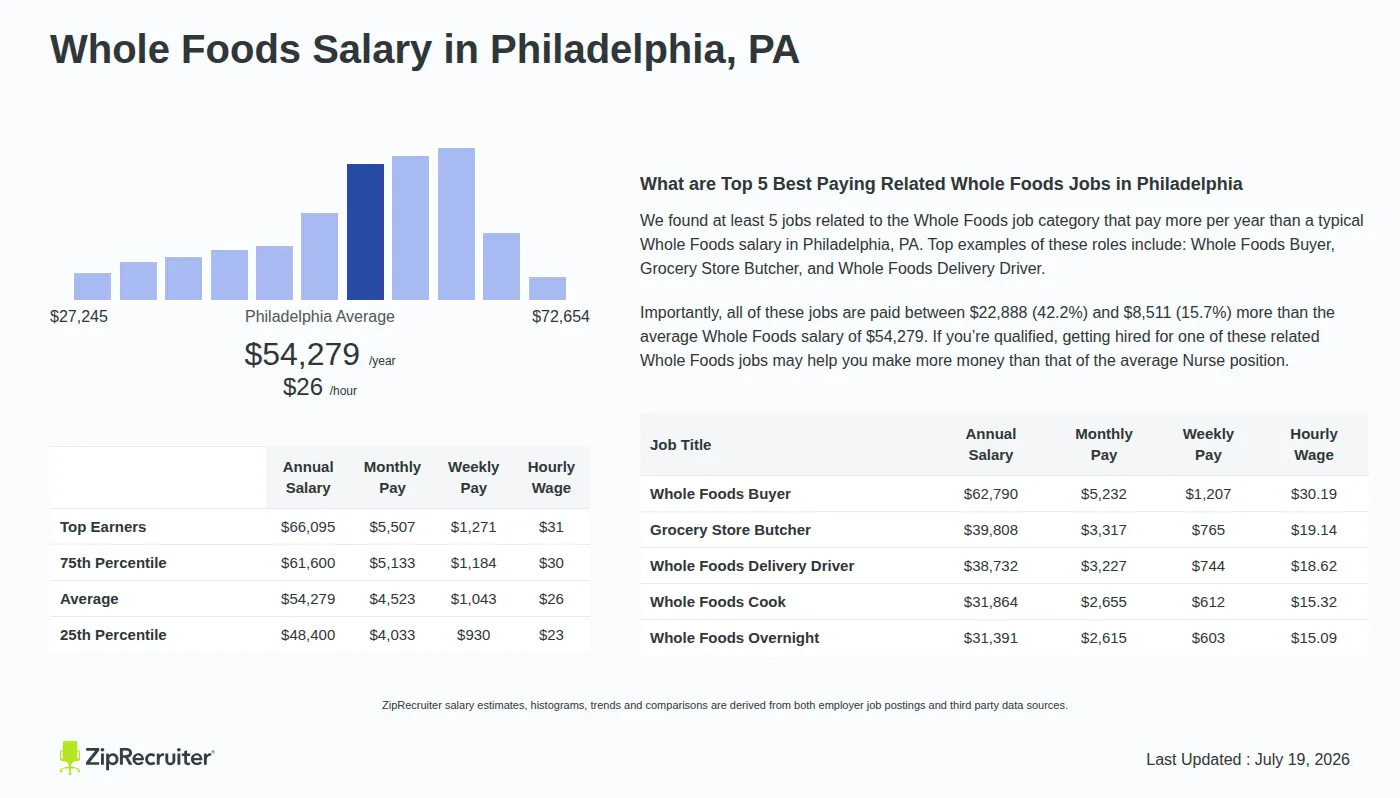
That matters inside Whole Foods stores because new Sprouts units do not just compete for customers. They also compete for experienced grocery workers in the same labor markets, especially in Florida and Texas, where hourly staff can move between premium natural grocers, conventional supermarkets and other specialty banners. A store opening that needs dozens of hires can change local wage expectations, recruiting pressure and turnover before the first grand-opening rush fades.
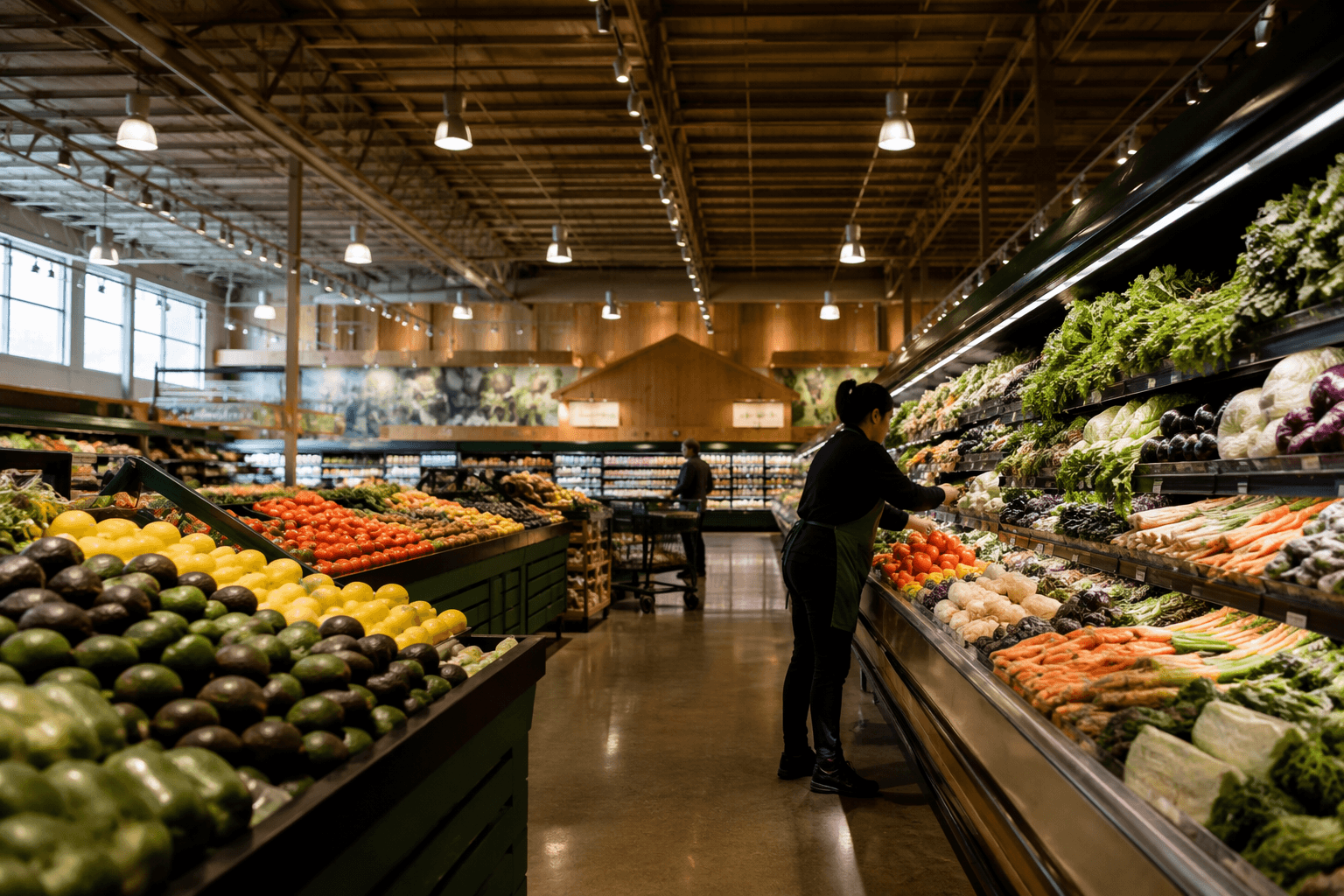
Sprouts has been playing this game for years. In 2021, it announced a series of new stores in California, Florida and Texas and said it would open about 20 stores that year. By 2025, it had about 440 stores across 24 states and planned at least 35 more openings that year, a footprint large enough to keep reshaping the natural and organic grocery market around Whole Foods.
For Whole Foods team leaders and store leaders, the immediate watchpoints are traffic, local promo chatter and which departments feel the comparison first. Sprouts’ 7 a.m. opening and 10 p.m. close give it a convenience pitch that can matter as much as assortment in produce, meat and prepared foods. If shoppers can get a similar basket earlier in the morning or later at night, the pressure shows up at the shelf, at the service counter and in the labor market long before anyone in regional leadership sends a memo.
This article was produced by Prism’s automated news system from verified source data, official records, and press releases, then run through automated quality and moderation checks before publishing. The system is built and supervised by the people who set the standards it runs under. Read our full AI policy.
Did this article answer your question?