Whole Foods Market unveils 2026 grocery trends forecast
Whole Foods Market's 2026 forecast spotlighted eight trends, including fiber, freezer fine dining and tallow, signaling what could reshape shelves, signs and supplier talks.
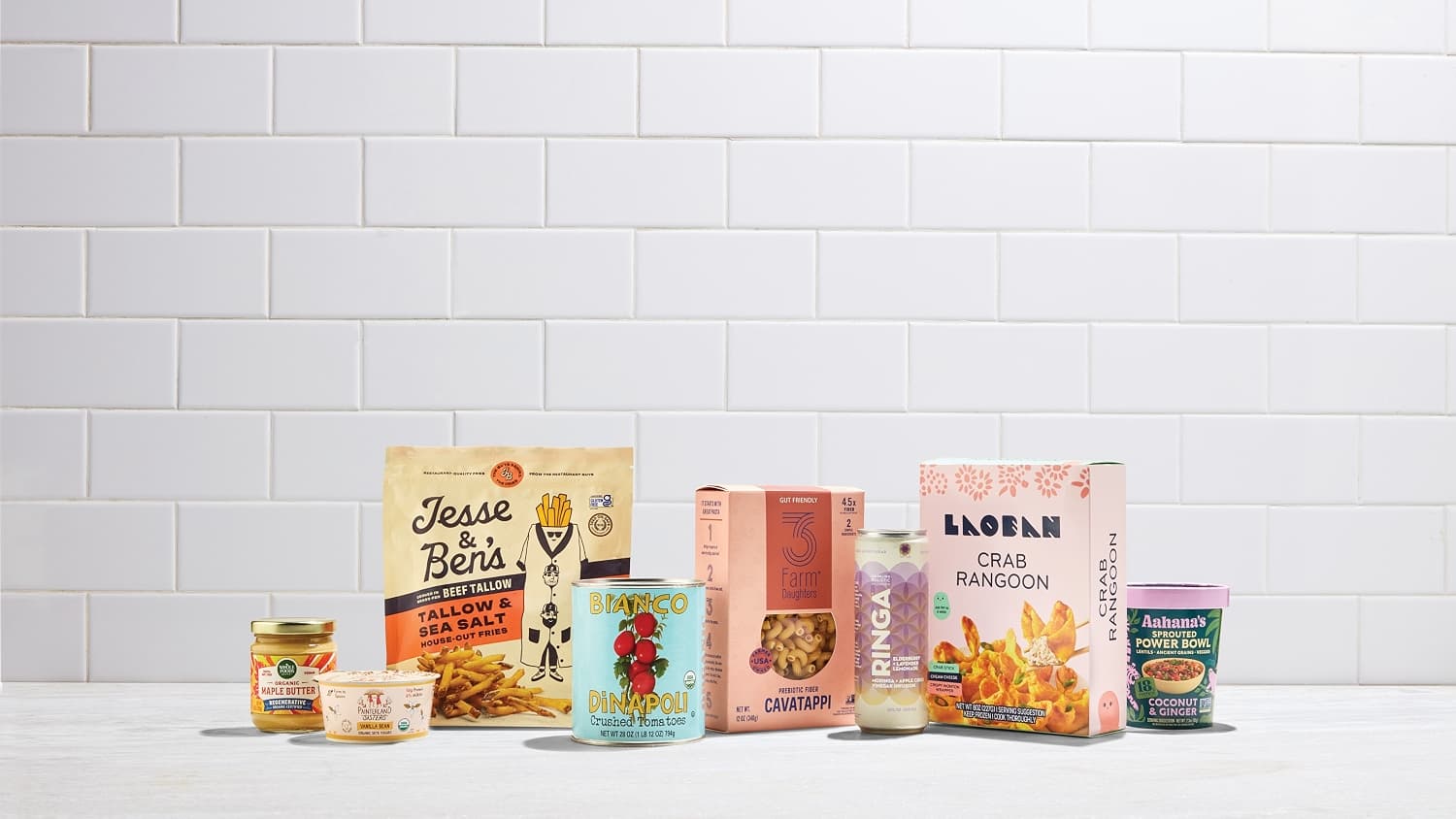
Whole Foods Market put eight trend predictions on the table in its food and beverage forecast, including fiber, freezer fine dining and tallow, signaling what could move from planning rooms to shelves. The Austin, Texas-based chain published the forecast in October 2025 after gathering its council of experts to predict what shoppers would eat, sip and savor in 2026.
Whole Foods framed the exercise as a read on consumer taste, not just a marketing splash. Its LinkedIn post said, "Each year, our Trends report captures the pulse of what’s next in food, and 2026 is no exception." For store teams, that kind of signal can show up fast in new items, refreshed signs and questions from shoppers who want to know why one product suddenly gets attention while another disappears.
The report drew quick interest from Southern Living, Progressive Grocer, Supermarket Perimeter, Food & Wine, Delish and FreshFruitPortal, which is a clue that the forecast matters beyond Whole Foods' own channels. The three themes that got the most traction, fiber, freezer fine dining and tallow, point to categories where premium grocery can separate itself from mass-market chains: health-forward packaged foods, better frozen meals and ingredients that tap cooking and wellness trends at the same time.
That is where the forecast becomes operational. A trend report can affect ordering, merchandising, supplier conversations and prepared-foods decisions, especially in a chain that sells itself on differentiation. If fiber-rich products get more emphasis, team members may need to explain the health pitch more often. If freezer fine dining keeps building, buyers and store leaders will have to decide which frozen items deserve more space, more sampling and more training. Whole Foods also keeps a trends page and a newsroom release page for the forecast, a sign that the company treats the annual read as a standing guide for suppliers and stores rather than a one-off publicity moment.
FMI's U.S. Grocery Shopper Trends 2026 report, titled The Evolving Physical Store, points in the same direction: the fight for the premium shopper is still happening in aisles, freezer cases and prepared-food counters. At Whole Foods, that makes the trends forecast less about branding than about which categories get shelf space, labor and attention when shoppers walk in looking for something that feels a step ahead of the supermarket down the road.
This article was produced by Prism’s automated news system from verified source data, official records, and press releases, then run through automated quality and moderation checks before publishing. The system is built and supervised by the people who set the standards it runs under. Read our full AI policy.
Did this article answer your question?