What Whole Foods employees should know about pumping at work rights
Pumping at work is a legal right, not a special request. Whole Foods leaders need private, nonbathroom space and real coverage planning to keep shifts moving.

A nursing employee at work generally has up to one year after childbirth to take reasonable break time and use a private place other than a bathroom to express breast milk.
For a grocery chain like Whole Foods Market, that is a floor-level operating issue that has to work during early openings, lunch rushes, and closing cleanup, when the person pumping may also be stocking, cashiering, slicing, cooking, or managing a department.
What the federal rule actually requires
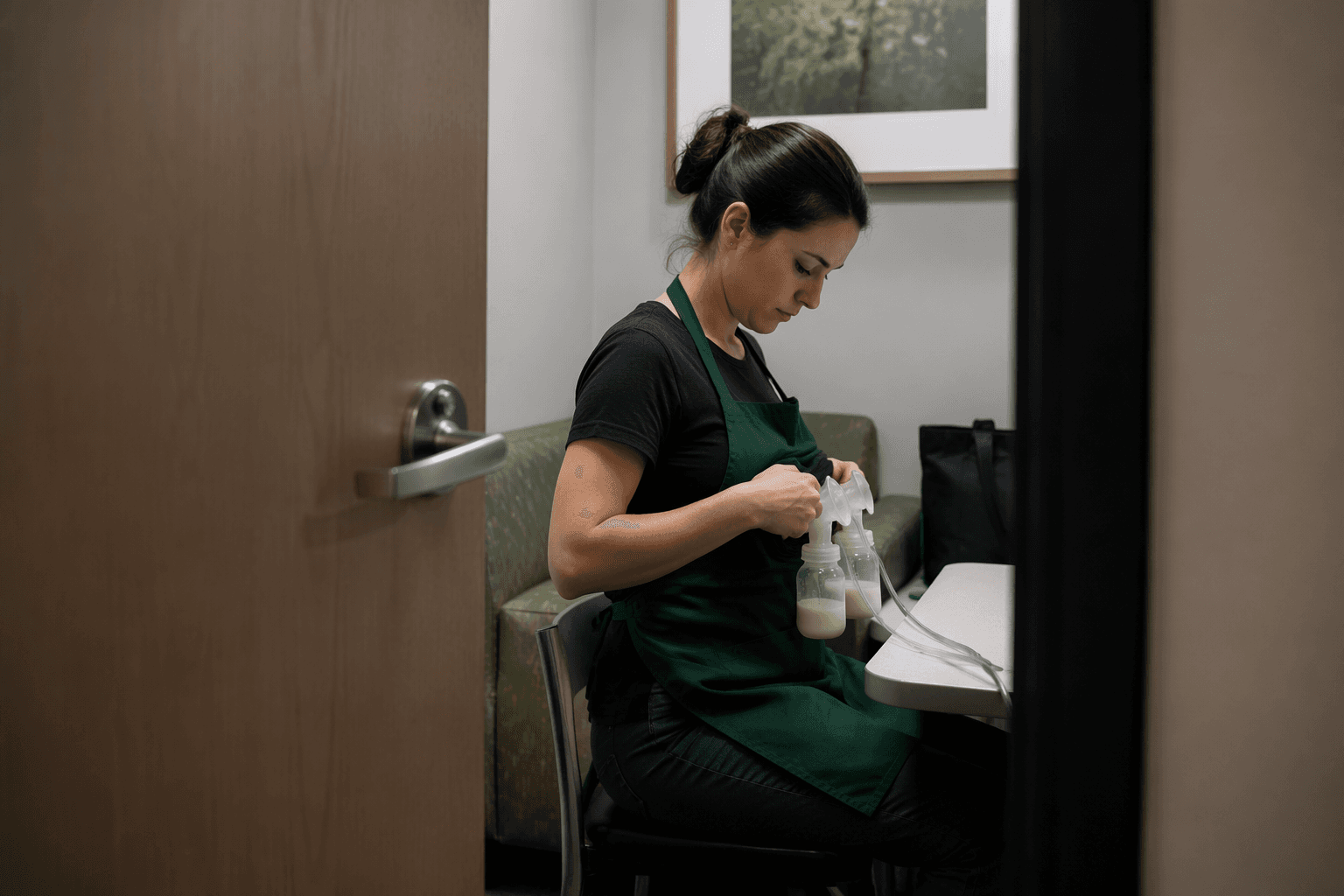
Pumping time has to be reasonable, the space has to be private, and the location cannot be a bathroom. The law does not require a permanently dedicated lactation room, but it does require a functional space that can be used when needed and kept free from interruption.
A back office, wellness room, unused training room, or another converted space can work if it can be shielded from view and reserved long enough to serve its purpose. A nursing employee cannot be told to make do with a restroom, a stockroom corner, or a space that depends on other people walking in and out.
The frequency and length of breaks can vary, because pumping needs are not uniform from one employee to the next. Teleworkers are covered too, which is useful to remember for anyone in hybrid or off-floor roles tied to regional operations, store support, or administrative work.
How the PUMP Act widened coverage
The PUMP Act was signed into law on December 29, 2022. It expanded coverage to more employees right away, and it also made additional remedies available for violations occurring on or after April 28, 2023.
It broadened the group of workers who can invoke pumping rights, including agricultural workers, truck and taxi drivers, home care workers, managers, teachers, nurses, farmworkers, and many others.
Nursing employees and applicants may have rights under both the Fair Labor Standards Act and the Pregnant Workers Fairness Act. For a large employer, that means a pumping request may sit alongside broader pregnancy-related accommodation duties, not replace them.
What this looks like on a Whole Foods shift
Whole Foods says it has 534 U.S. stores, 12 U.K. stores, 12 Canada stores, and more than 105,000 team members. The company says it was founded in 1980 in Austin, Texas, with a staff of 19.
If a team member needs time to pump during a shift, the store should already know which space can be used, who has authority to open it up, and who covers the floor while that happens. A team leader who treats the request as a surprise is creating the problem the law is meant to prevent.
In practice, the best approach is to plan coverage the same way the store plans for breaks, call-outs, or service spikes. When a request comes in mid-rush, the answer should not be improvisation. It should be a ready process that protects the employee’s privacy and keeps the department operating.
What a compliant accommodation should look like
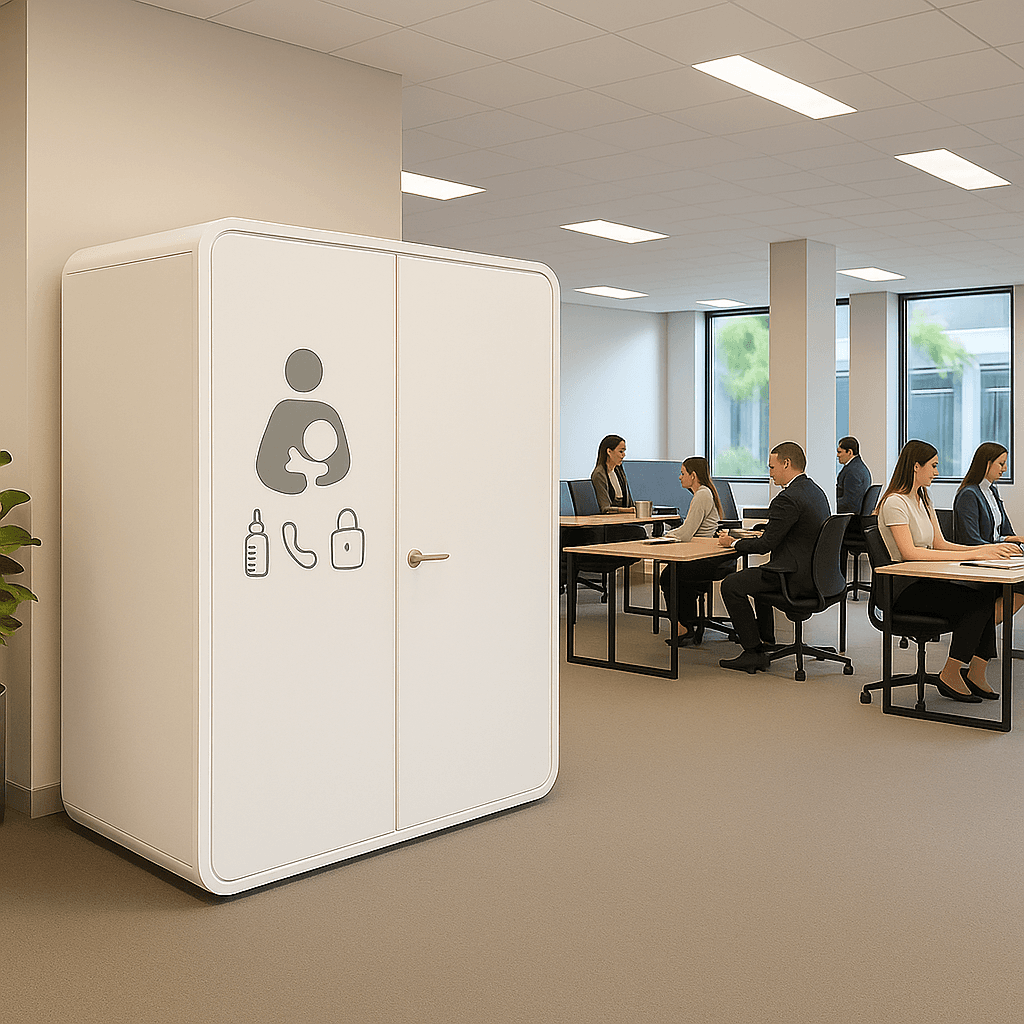
A compliant setup in a Whole Foods store has a few nonnegotiable features:
- A private space that is not a bathroom
- A room or area that can be shielded from view
- A place that is free from intrusion while it is being used
- A functional setup, even if it is temporary or converted
- Access arranged at the times the employee actually needs it
That can mean turning a small office, wellness room, or other back-of-house space into a temporary lactation area when needed. It does not have to be permanent, but it does have to be real. If the room is used for meetings, phone calls, or storage, leaders need a plan to keep those uses from colliding with pumping time.
The law also supports practical timing, not just theoretical access. If a store can let a worker pump only when the department is slow, it is not meeting the standard if the worker’s actual needs come earlier, later, or more often.
What team members should know before asking
Nursing employees do not need to frame pumping as a personal favor. It is a workplace right, and the law is designed to let people keep working while meeting a basic family need.
It helps to be specific when making the request. If you know roughly when you need breaks, say so. If you need a private space that can be locked or monitored for access, say that too. If a suggested location is a bathroom or an open area, that is not what the law requires, and it is reasonable to push back.
State or local law may offer stronger protection than federal law, so a worker dealing with a difficult response may have more than one standard working in their favor. That is especially important in large chain retail, where one store’s practice may be better than another’s even under the same company banner.
What store leaders should do now
For store team leaders, associate store team leaders, and department leads, the practical job is to make the right easy to use. That means knowing which spaces can be converted quickly, training key managers on the no-bathroom rule, and making sure scheduling does not depend on the employee solving the coverage problem alone.
It also means treating pumping accommodation as part of normal labor planning, not a side issue.
Whole Foods sells breastfeeding tea, milk-support tea, and fenugreek supplements on its site, and it has published breastfeeding tips that cite American Academy of Pediatrics and World Health Organization guidance recommending breastfeeding for about six months and continuing for at least a year and longer if desired.
This article was produced by Prism’s automated news system from verified source data, official records, and press releases, then run through automated quality and moderation checks before publishing. The system is built and supervised by the people who set the standards it runs under. Read our full AI policy.
Did this article answer your question?