Whole Foods fiscal calendar points to August benefit changes
Whole Foods’ fiscal calendar points workers to a late-summer window for benefit and policy changes, with Amazon’s 2017 takeover and August 2025 grocery shift shaping the timing.
Whole Foods workers who track the company’s fiscal calendar have a better chance of seeing benefit changes before they land. The pattern matters because updates to health coverage, discounts, staffing tools and other administrative rules often cluster around the start of a new planning cycle, and Whole Foods has been running inside Amazon’s corporate rhythm since 2017.
Amazon announced it would acquire Whole Foods Market on June 16, 2017, then said on Aug. 24, 2017, that the deal would close Monday, Aug. 28, 2017. That gave Whole Foods a direct link to Amazon’s budgeting and planning calendar, which is why late-summer timing now carries more weight for store employees than it did before the takeover. The latest round began in August 2025, when corporate benefits were aligned more closely with Amazon.
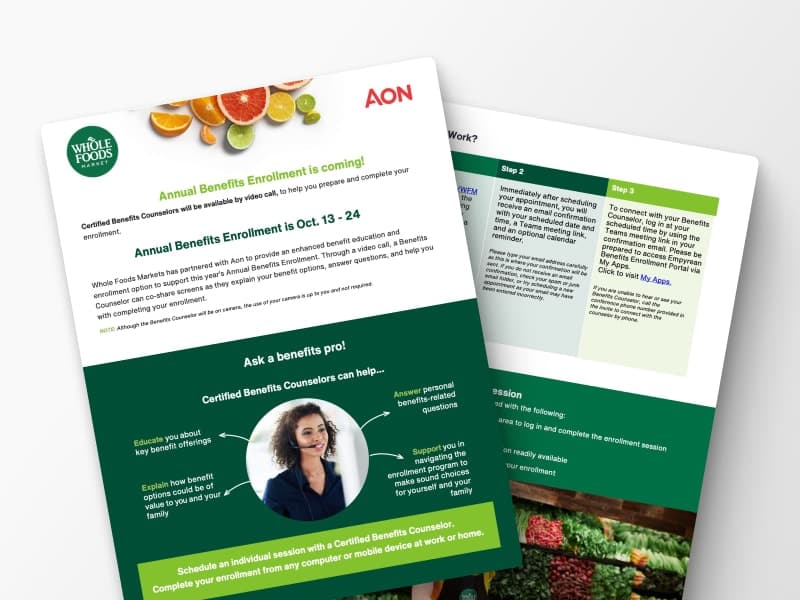
For team members, the practical value is straightforward. Whole Foods Market’s careers materials say the company offers health benefits and wellness programs intended to support team members’ well-being. Amazon’s employee benefits page goes further, saying many benefits begin on day one for regular full-time employees, including health care coverage that starts at $5 per week with $5 copays, paid parental leave, prepaid college tuition and 401(k) plans with company match. When a company groups changes around fiscal-year boundaries, that is the window when employees should be checking plan documents, personal paperwork and internal notices.
That timing also helps leaders communicate before changes hit the floor. If benefit elections, policy updates or staffing adjustments are going to move, the calendar gives store leaders a chance to warn teams before a new cycle starts. In a busy store, that can prevent the kind of confusion that follows a surprise email about payroll, coverage or scheduling.
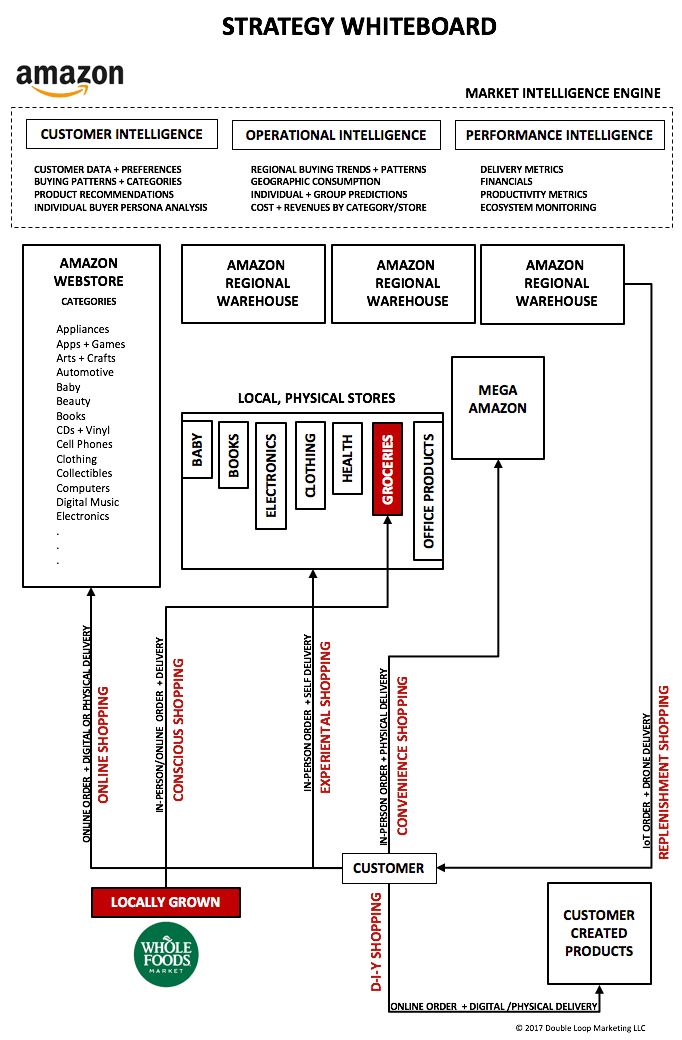
Amazon’s broader grocery strategy makes the calendar even more relevant. In August 2025, Amazon said tens of millions of Prime members could shop perishable groceries alongside the rest of Amazon’s same-day selection with fast free delivery. In January 2026, Amazon said it was closing Amazon Go and Amazon Fresh physical stores and converting various locations to Whole Foods Market stores. Those moves show Whole Foods sitting inside a larger Amazon grocery system, where policy, product and operating decisions can move on the same corporate timetable.
For Whole Foods employees, the fiscal calendar is less an accounting detail than a forecasting tool. It is the clearest clue for when the company is likely to touch pay, benefits and store operations next.
This article was produced by Prism’s automated news system from verified source data, official records, and press releases, then run through automated quality and moderation checks before publishing. The system is built and supervised by the people who set the standards it runs under. Read our full AI policy.
Did this article answer your question?