Whole Foods highlights conscious leadership philosophy behind its culture
Mackey’s 2020 Conscious Leadership still explains Whole Foods’ mission-first language, even as Amazon’s 2017 takeover pushed the chain toward tighter standardization.
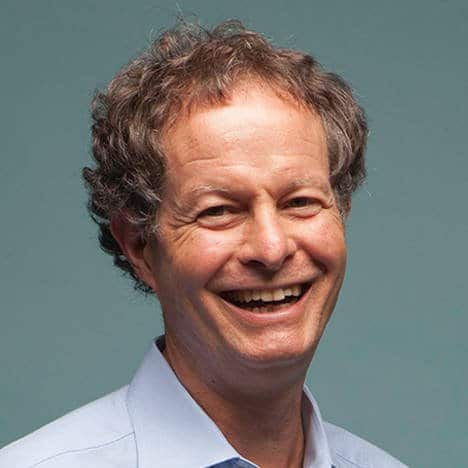
John Mackey’s 2020 book Conscious Leadership, co-written with Steve McIntosh and Carter Phipps, still maps the management philosophy that shaped Whole Foods Market long before Amazon bought the grocer for $13.7 billion in 2017. For employees, that matters because the company’s talk about purpose, stakeholder value, and responsibility is not just branding. It is the language that has long framed how Whole Foods thinks about staffing, service, coaching, and store-level decisions.
Mackey has said that “‘Conscious Capitalism’ was the start of a movement,” and “‘Conscious Leadership’ is about how leaders can evolve and take action.” That is the core of the Whole Foods culture he built in Austin, Texas, when he founded the company in 1980. The philosophy asks leaders to weigh more than short-term profit, and Whole Foods has repeated that idea for years. In 2013, the company described Conscious Capitalism as a “bold blueprint for capitalism,” signaling that the message was meant to define the business, not sit on a shelf as a management fad.

That mindset still helps explain why Whole Foods often feels different from a standard supermarket chain. A 2015 investor bio said the company had more than 400 stores, 87,000 team members, and operations in three countries. Conscious Capitalism, Inc. now says Whole Foods has over 498 stores in the United States. Through that growth, the company has kept returning to the same vocabulary: mission, service, and a broader responsibility to customers and communities. In practice, that means a leader is supposed to think about more than a sales target when deciding how to schedule shifts, handle workload, or coach a team member on the floor.
The tension for workers is that the Mackey-era language still travels through an Amazon-owned company that has become more standardized since the acquisition closed. Amazon and Whole Foods announced that deal in June 2017, and Mackey later said in 2021 that he would retire as Whole Foods CEO in 2022. That left the chain with a legacy culture built around autonomy and values, but inside a larger system that is more likely to favor consistency, metrics, and centralized control.
Mackey’s influence remains visible because the books tied to his name still shape how Whole Foods explains itself. Conscious Capitalism: Liberating the Heroic Spirit of Business became a New York Times and Wall Street Journal bestseller, and the sequel keeps the same premise with a more managerial edge. For Whole Foods workers, the result is a culture that still talks like a mission-driven company, even as the day-to-day reality sits under Amazon’s more disciplined retail machine.
This article was produced by Prism’s automated news system from verified source data, official records, and press releases, then run through automated quality and moderation checks before publishing. The system is built and supervised by the people who set the standards it runs under. Read our full AI policy.
Did this article answer your question?