Whole Foods puts team members at the center of its culture
Whole Foods puts team members at the center of its brand, but the test is whether store power comes with enough staffing, training, and support. Amazon ownership sharpened the gap.
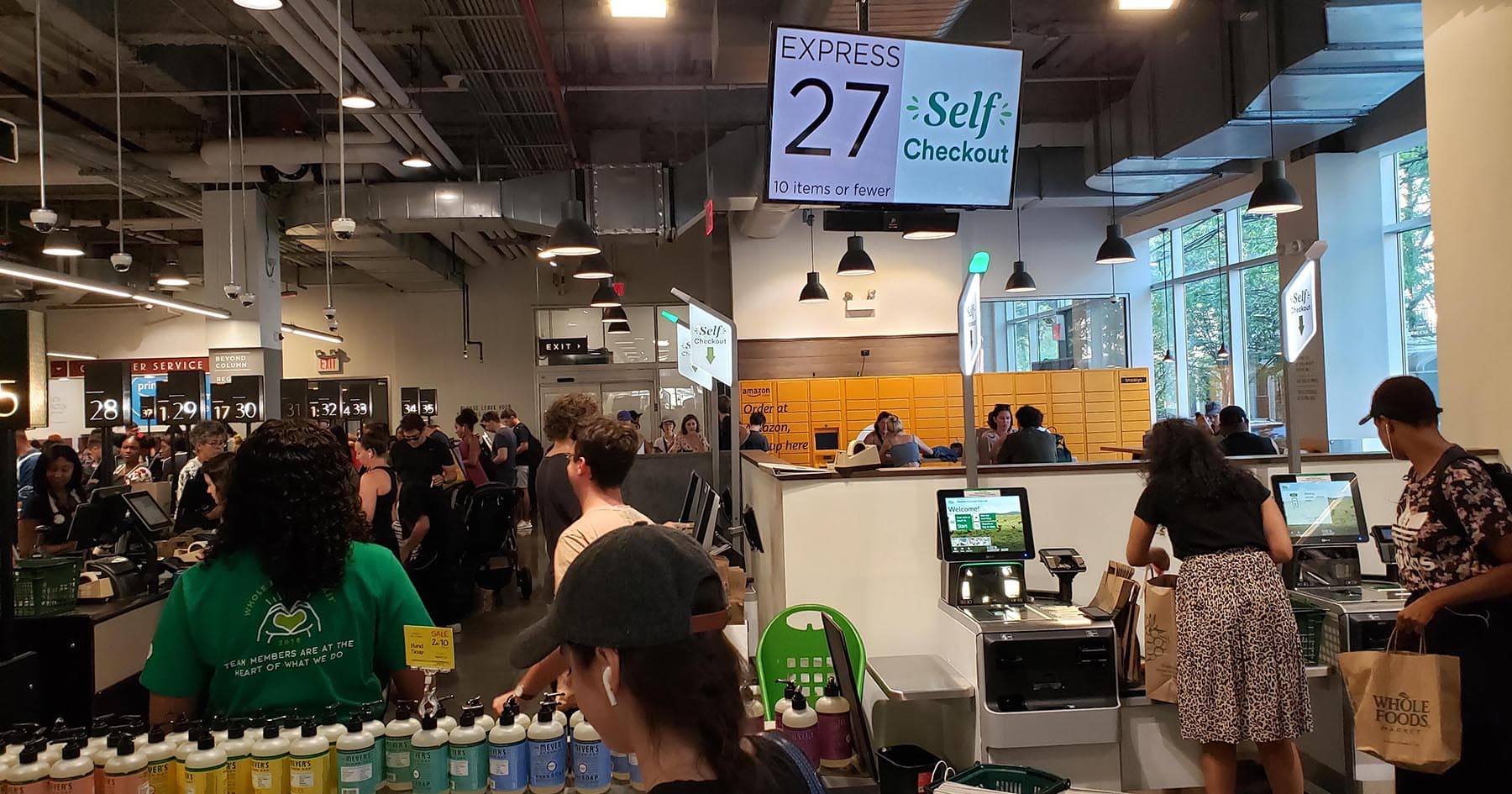
On the sales floor, Whole Foods team members are expected to solve problems on short-staffed shifts without waiting for corporate. Whole Foods puts team members at the center of its culture, framing that approach around direct and open communication, self-empowerment, decentralized decision-making, and policies that recognize individual performance. Those promises matter most when a customer has a problem or a department leader has to solve it on the spot.
What Whole Foods says its culture is
Whole Foods’ core values define its purpose as nourishing people and the planet and selling the highest quality natural and organic foods. Its careers site uses the phrase “Fresh Thinking, Fresh Culture,” and a recruiting video posted on December 12, 2023 asks, “What do you get when you work for a company obsessed with promoting Team Member growth and happiness?”
How decentralized decision-making shows up in real work
Harvard Business School and the Auburn University Center for Ethical Organizational Cultures characterize Whole Foods as decentralized, with teams as the basic operating unit and decision-making spread across staff levels rather than concentrated in a command-and-control structure. That can make a good store feel fast and collaborative because department leaders can act quickly on the ground.
It can also make a weak store feel chaotic. If responsibility is pushed down without enough staffing, training, or support, the same decentralization that sounds empowering on paper can turn into pressure on the people closest to the problem. For team members, the difference between those two versions of Whole Foods is often the immediate leadership team.
What self-empowerment means for your shift
Whole Foods’ version of self-empowerment is practical, not abstract. Team members are expected to own product standards, customer interaction, and store cleanliness instead of waiting for instructions on every detail. That creates real opportunities for growth, especially for people who want to move into team trainer, department lead, or store leader roles.
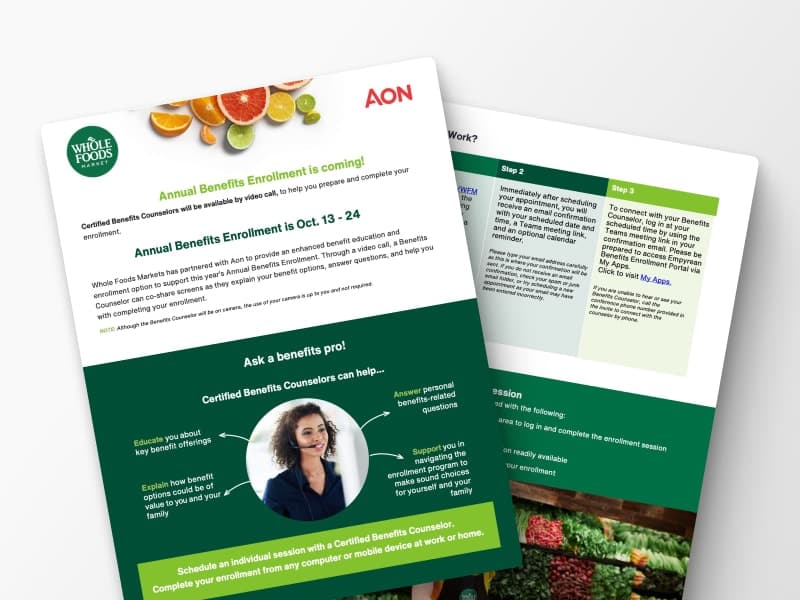
It also raises the stakes when labor hours are tight or schedules are unstable. Empowerment only works if people have enough time to act on it, enough training to know what good looks like, and enough support to fix problems before they snowball. After Amazon’s 2017 acquisition, workers’ conversations about the company became more complicated, with concerns about workloads, stress, and changes to autonomy adding a new layer to the old Whole Foods culture story.
Why this culture language matters in specialty departments
Departments like prepared foods, bakery, produce, meat, seafood, and specialty depend on product knowledge and customer service that can get technical quickly. A shopper asking about a cheese board, fish preparation, or produce quality is not just looking for aisle direction, they are testing whether the store has enough expertise on the floor.
Amazon changed the backdrop
Amazon announced its acquisition of Whole Foods Market on August 24, 2017. The deal was set at $13.7 billion in cash and scheduled to close on August 28, 2017. Since then, the gap between Whole Foods’ legacy identity and Amazon’s more standardized operating style has shaped how workers read every culture statement.
That tension was visible early. In 2018, store employees were looking to unionize under Amazon ownership, and some workers feared that Amazon-style changes would make them feel like robots.
The reality check for store teams
If you work at Whole Foods, the culture language is easiest to judge on a few concrete questions:
- Are schedules communicated clearly enough to support real self-empowerment?
- Do department leaders have the authority to solve problems without waiting on multiple layers of approval?
- Is training strong enough to match the company’s standards for product knowledge and customer service?
- Are there enough labor hours to keep up with cleanliness, service, and product presentation?
- Does open communication reach beyond the talking points and into actual feedback from the floor?
Whole Foods was founded in Austin, Texas, in 1980, began domestic expansion in 1984, opened its first stores in the United Kingdom in 2007, and now operates more than 500 stores across the United States, Canada, and the United Kingdom.
This article was produced by Prism’s automated news system from verified source data, official records, and press releases, then run through automated quality and moderation checks before publishing. The system is built and supervised by the people who set the standards it runs under. Read our full AI policy.
Did this article answer your question?