Whole Foods sparks backlash with discounted lettuce tied to cyclosporiasis outbreak
A 50% markdown on Taylor Farms lettuce at Whole Foods' Hell's Kitchen store fueled backlash as the supplier's cyclospora recall widened to 27 states.
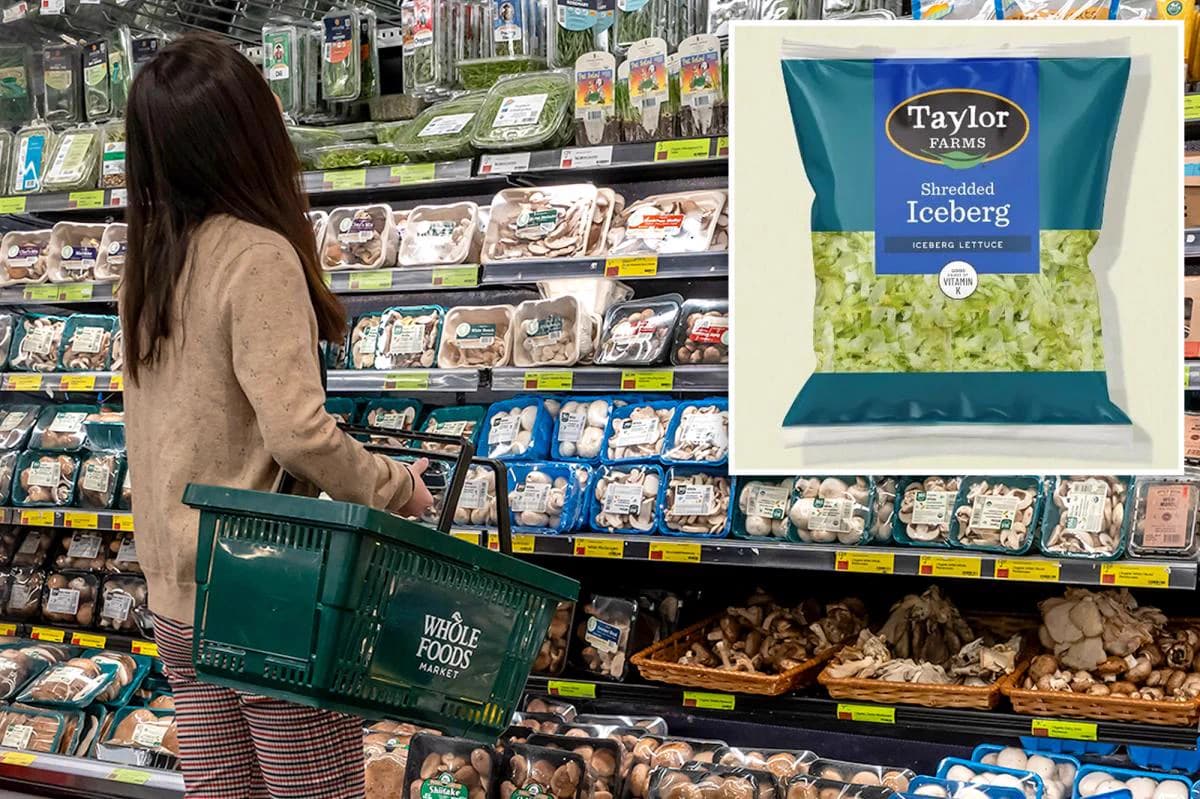
A 50% markdown on Taylor Farms lettuce at Whole Foods Market’s Hell’s Kitchen store put the chain in the middle of a food-safety credibility test as a cyclospora outbreak tied to the supplier spread through national grocery shelves. Shoppers blasted the discount online, and some mocked the idea of saving money on a product linked to an illness that can cause severe diarrhea.
Taylor Farms said in a July 17 statement that it was voluntarily pulling iceberg lettuce sourced from central Mexico. The company later expanded the recall to products distributed in 27 states, widening the issue far beyond the first five-state footprint. Federal investigators said the outbreak was linked to shredded iceberg lettuce and identified Taylor Farms as the likely source, even as FDA testing later turned up at least one sample that tested positive in a false-positive result.
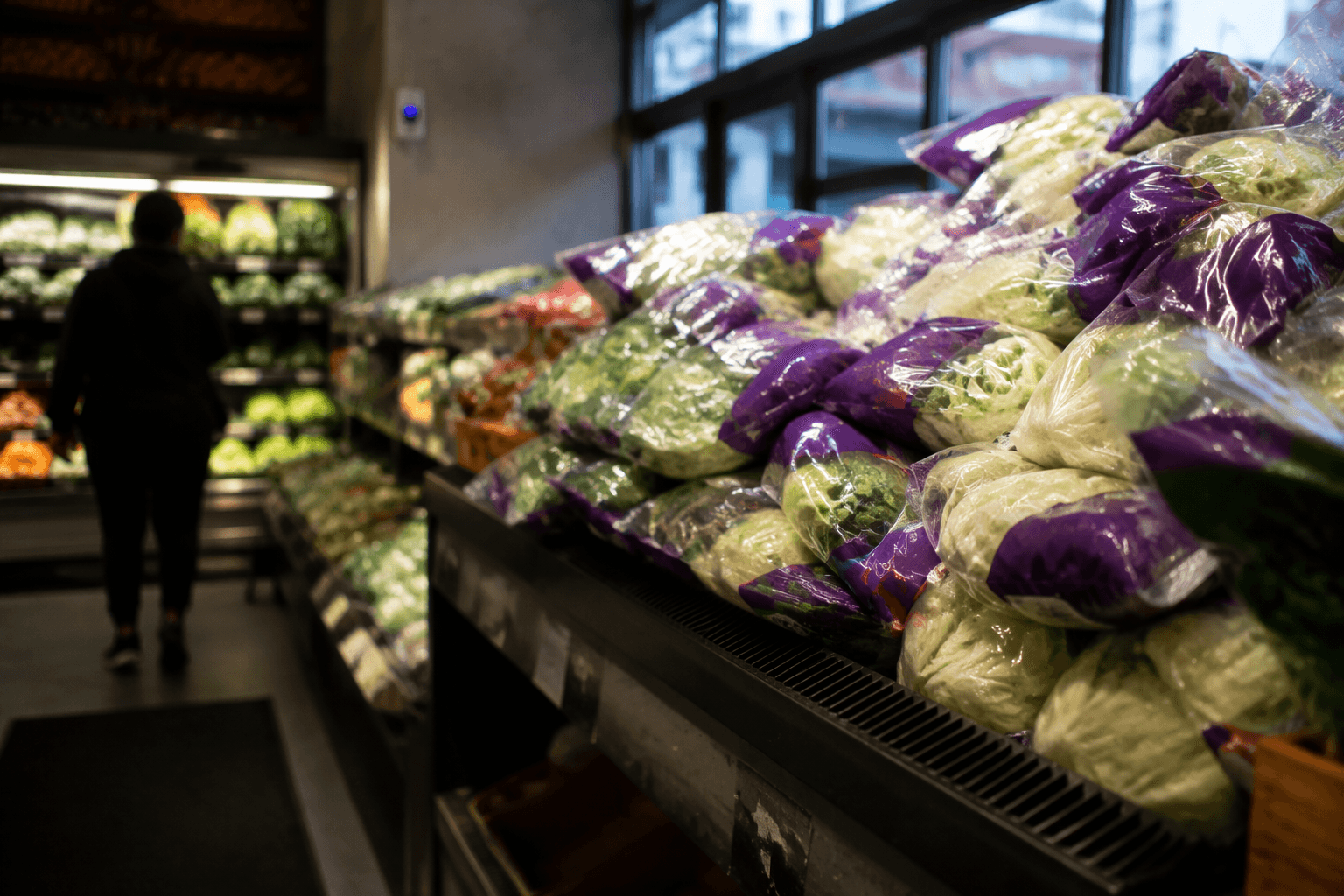
For Whole Foods, the problem is not just that a bag of lettuce was cheaper on the shelf. It is that the markdown stayed visible while outbreak coverage was still fresh, creating the kind of storefront contradiction that shoppers notice immediately and team members have to explain at the register or in the produce aisle. Whole Foods Market Hell’s Kitchen’s store page advertises featured deals for Prime members, so discounts are part of the normal promotional rhythm; in this case, that same system made the lettuce deal feel out of step with a supplier safety scare.
The wider distribution only made the backlash sharper. News coverage said Taylor Farms products were sold through major retailers including Whole Foods, Target, Walmart, Amazon and others, which means the product was not confined to one banner or one region. That leaves store leaders with a familiar but difficult task: pulling affected product quickly, answering direct customer questions about why an item tied to a recall was still visible, and making sure sale signage does not undercut the chain’s food-safety messaging.
Cyclospora outbreaks can move quickly from a supplier problem into a front-line trust problem. In a Whole Foods store, where customers expect tighter standards and where team members are often the first people asked to reconcile pricing with safety, a discounted head of lettuce became a test of how seriously the company handles outbreak-era merchandising decisions.
This article was produced by Prism’s automated news system from verified source data, official records, and press releases, then run through automated quality and moderation checks before publishing. The system is built and supervised by the people who set the standards it runs under. Read our full AI policy.
Did this article answer your question?