Whole Foods supplier guidelines reveal the hidden work behind store standards
Late trucks, bad labels, and recall pulls are where Whole Foods' supplier rules hit the floor. The guidelines show why store standards start before product arrives.
A late truck or a mislabeled pallet does not stay a back-room problem for long at Whole Foods. It turns into receiving delays, shelf gaps, extra inspection, shrink, and sometimes a recall pull that eats labor and tests customer trust in real time.
What the supplier guide actually covers
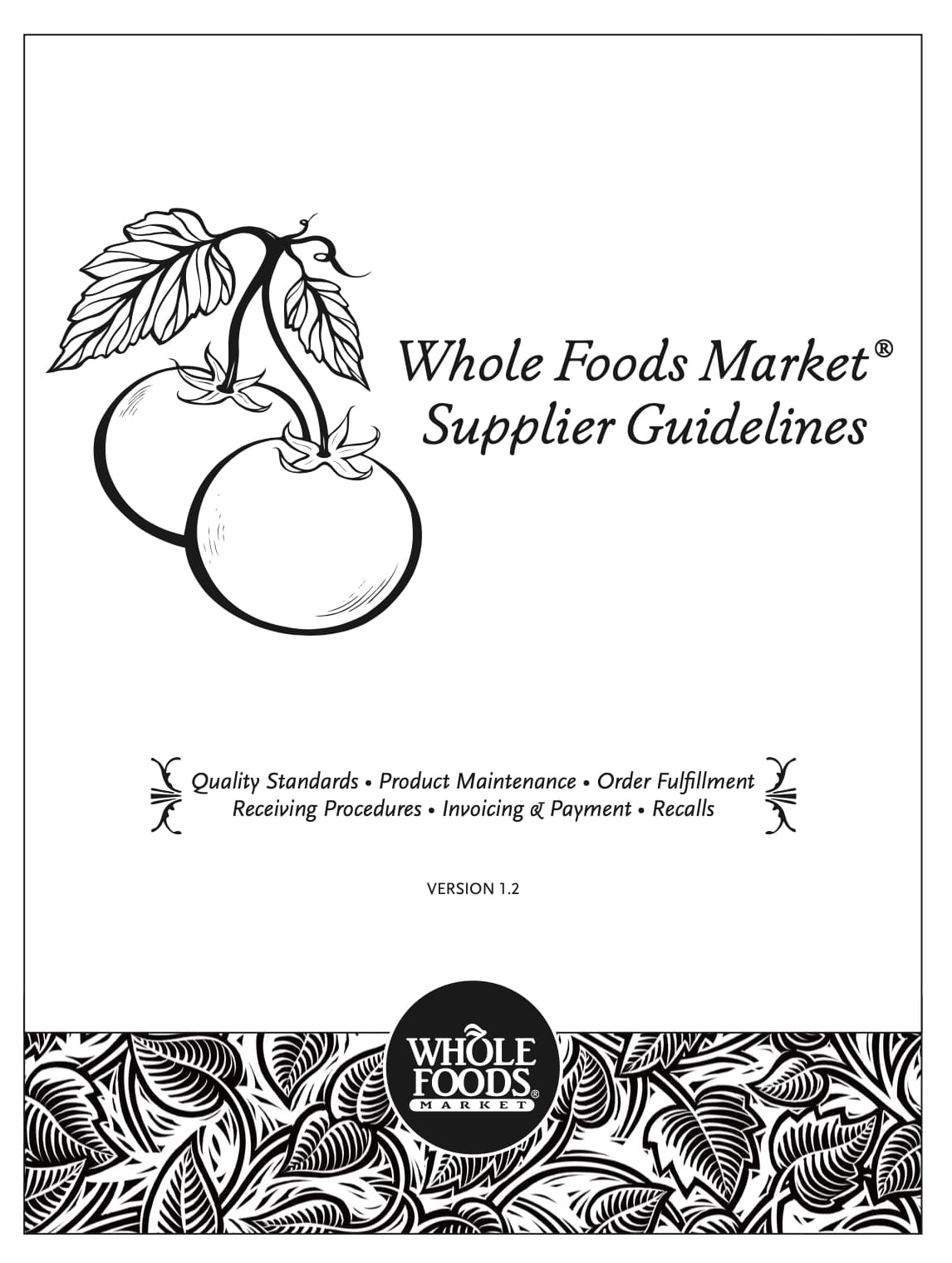
Whole Foods Market’s supplier guidelines cover the operational basics that shape what reaches a store: quality standards, product maintenance, order fulfillment, receiving procedures, invoicing and payment, and recalls.
The document is only a starting point. The guidelines say they are “an introduction to Whole Foods Market supplier standards” and are “not intended to be inclusive of all Whole Foods Market requirements and processes.” Whole Foods says individual regions may provide additional supplier information, which means leaders cannot assume one national playbook will cover every receiving dock, every market, or every store team’s workflow.
A vendor that misses a delivery window or sends the wrong item does not just inconvenience the buyer. It lands on the receiving team, which has to sort out the error, log the problem, and get the product movement back on track before the rest of the day starts compounding the delay.
Why the back room shapes the sales floor
Whole Foods can feel more process-heavy than some competitors because a retailer built on quality and ethical sourcing has to police the supply chain more closely than a chain where price and speed are the only priorities. That means more structured receiving, more paperwork discipline, and more attention to how product is handled before it ever reaches the shelf.
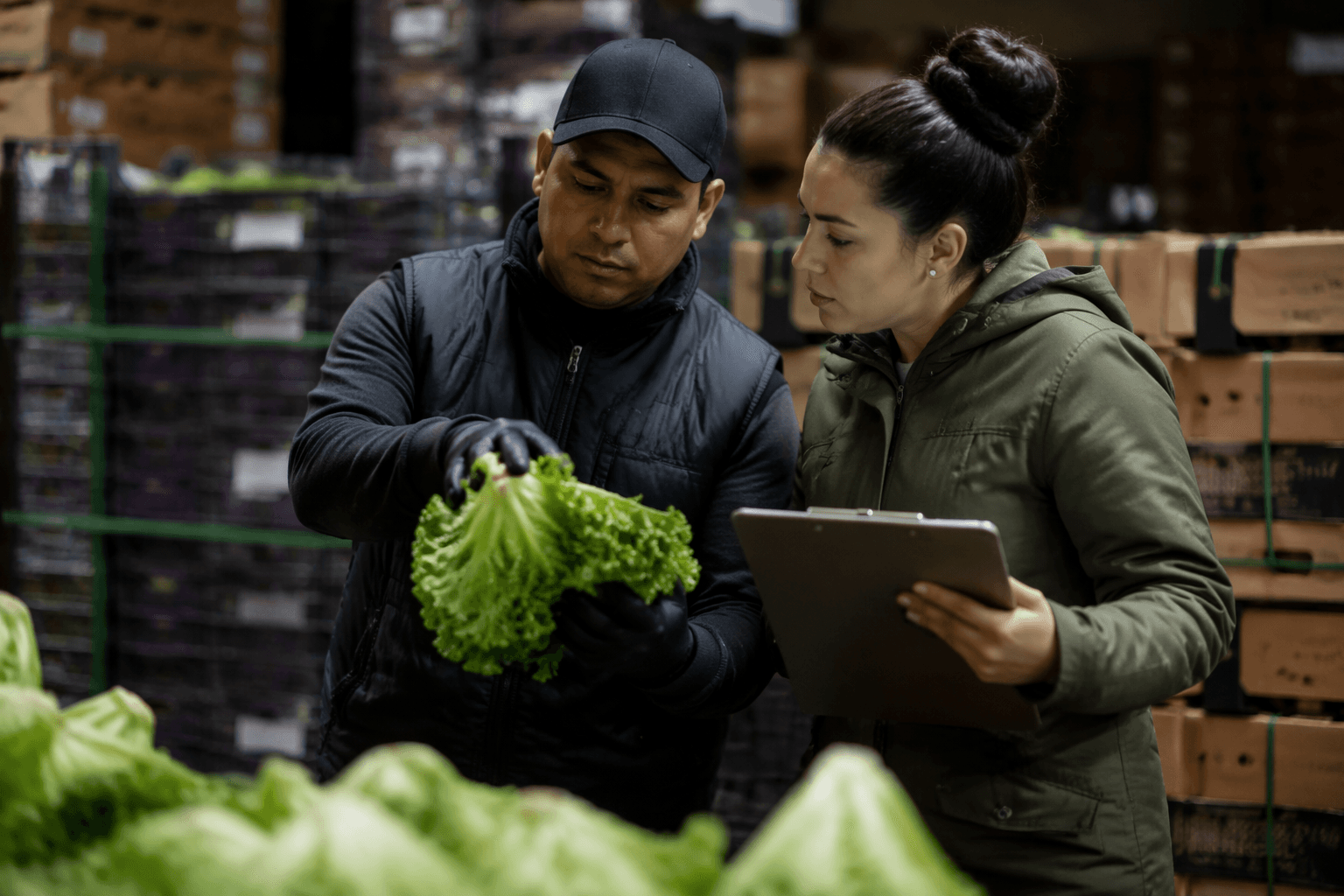
When quality standards are missed, the store pays for it in inspection time, rejected product, and shrink. When product maintenance slips, the result can be produce that looks tired before it should, packaged items that need extra checking, or a team member spending more time sorting through a delivery than stocking it.
If a recall hits, the team has to identify the affected product fast, pull it accurately, and keep inventory records clean while customer communication and labor planning are still moving. That kind of work depends on clean receiving, accurate paperwork, and strict product handling standards long before anyone sees a recall notice.
Whole Foods has made sourcing part of the brand
Whole Foods took the same line in its 2014 annual report, saying, “We want to know where things come from,” “We care what happens to them along the way,” and “We want to trust our sources.” A year later, the company said customers need information to make meaningful choices about what they buy and support.
In its quality-standards timeline, Whole Foods says it has been “pioneering industry-leading standards since 1980,” and says the first store opened in Austin, Texas, with a simple goal: offer products the company would buy itself.
The Supplier Code of Conduct, updated in January 2023, applies to all suppliers of goods and services for Whole Foods Market and its subsidiaries, including providers, vendors, selling partners, contractors, and subcontractors. The code says the company is committed to products and services supplied in a way that respects human rights and the environment and protects the dignity of workers.
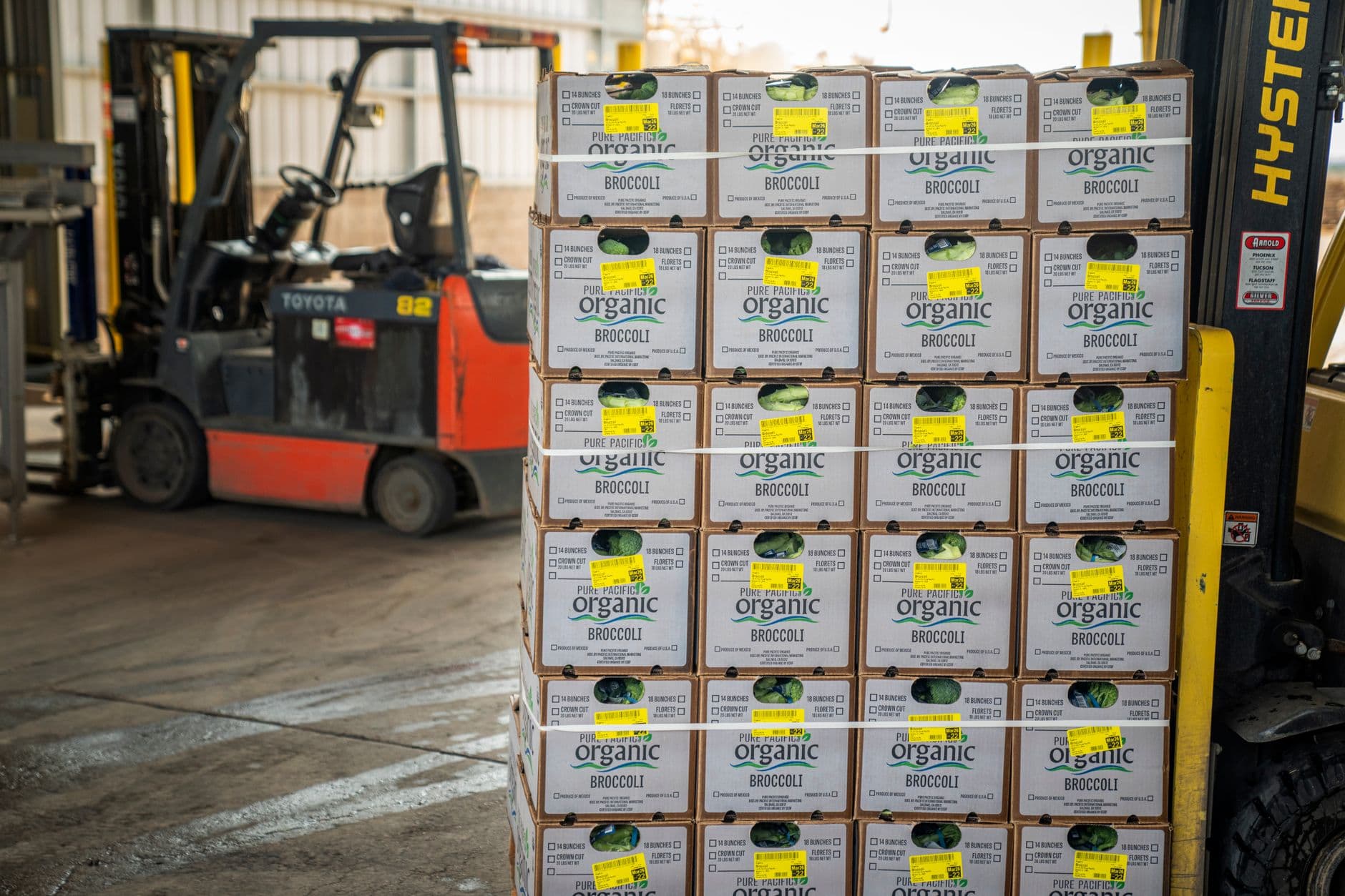
Recalls show how fast supplier problems become store problems
The U.S. Food and Drug Administration has repeatedly posted Whole Foods-related recall alerts and warnings. One involved F&S Fresh Foods and Whole Foods Market organic carrot sticks and organic carrots and celery because of possible E. coli contamination. Another covered Explorateur French Triple Creme Cheese at nine Whole Foods Market stores because of a possible health risk.
The FDA has also posted a warning letter titled “Whole Foods Market - 610862 - 12/16/2020.” In a separate 2021 FDA document, internal Whole Foods legal correspondence referenced undeclared milk in beef meatballs in marinara, along with dates tied to communication and implementation of an allergen change.
The FDA has posted a Mann Packing recall affecting Whole Foods Market stores, along with multiple allergy-alert recalls involving undeclared milk, eggs, soy, peanuts, almonds, pecans, and tree nuts in Whole Foods-branded or store-produced items. In each case, a supplier mistake turns into a store task: find the product, remove it, verify the pull, and make sure the wrong item does not stay on the shelf long enough to reach a customer.
What leadership is really signaling
In a company article on meat safety, Edmund LaMacchia, identified by Whole Foods as its Global Vice President of Procurement, wrote that customers put a great deal of trust in the company and that the company had “let you down” in a recent beef recall. He said Whole Foods had worked for 28 years to establish “second-to-none quality and safety standards.”
This article was produced by Prism’s automated news system from verified source data, official records, and press releases, then run through automated quality and moderation checks before publishing. The system is built and supervised by the people who set the standards it runs under. Read our full AI policy.
Did this article answer your question?