Whole Foods workers cite poverty wages, workload and healthcare concerns
Whole Foods’ worker-led organizing page says pay, healthcare and workload broke trust in a brand built on values. Philadelphia’s 130-100 union win turned that frustration into a first for Amazon-owned Whole Foods.
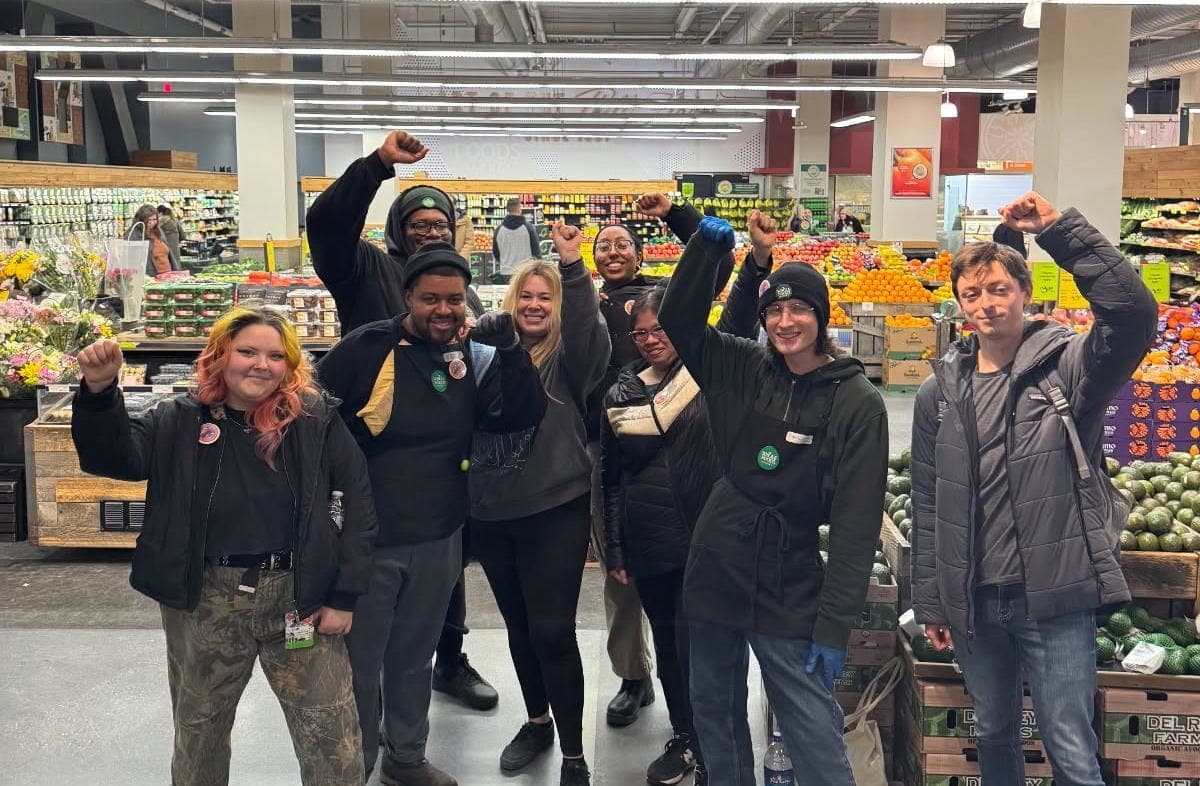
Whole Foods has long sold itself as a mission-driven grocer built on values, but the worker-led organizing case from Philadelphia turns that brand story inside out. On the Whole Foods Workers United page, employees say the job at the Amazon-owned chain became harder to trust after the 2017 takeover, with poverty wages, weak access to affordable healthcare, unsustainable workloads and a sharper pressure level on the floor.
Why the organizing story landed inside Whole Foods
The organizing message resonates because it does not read like outside commentary. It is a worker account of what changed on the job, and it names the everyday problems that matter most to team members, team leaders and store leaders: pay that does not keep up, staffing that leaves shifts stretched thin, scheduling pressure, healthcare concerns and a growing sense that management decisions arrive without enough worker input.
That is the cultural fault line at the center of the Philadelphia campaign. Whole Foods’ public identity has long leaned on teamwork, service and store-level pride. The organizing page responds with a different vocabulary, one built around respect, power and the strain of keeping a retail floor running under constant pressure.
What workers said pushed them to organize
Whole Foods Workers United says workers nationwide have been dealing with poverty wages, a lack of health benefits and unsustainable workloads ever since Amazon took over Whole Foods in 2017. The page frames the union drive as a response to a workplace where the load on employees kept growing while the company’s mission language stayed the same.
For workers inside a grocery store, those complaints are not abstract. Short-staffed shifts can mean more carts, more customer questions and more cleanup for the same people. Unpredictable scheduling and limited healthcare access can turn an ordinary grocery job into a constant calculation about money, time and whether the job still feels worth it.
The organizing page also makes clear that the campaign was about more than one issue. It links the push for a union to a broader need for a collective voice, especially when workers believe staffing, pay and benefit decisions are being made without them.
Philadelphia became the flashpoint
The campaign started at Whole Foods’ Center City store in Philadelphia, where workers decided to take a stand for what they described as good jobs and respect. In January 2025, employees voted yes in their union election, joining the United Food and Commercial Workers in the first successful unionization at an Amazon-owned Whole Foods store.
The vote count was 130 in favor and 100 against, a narrow margin that still carried major symbolic weight across the chain. PBS News put the support at about 57 percent of ballots cast, underscoring that the union win was not a landslide but a clear result in a store where workers had chosen to act.
For Whole Foods workers elsewhere, the Philadelphia result matters because it breaks a long pattern. The company has faced labor pressure before, but this was the first time employees at an Amazon-owned Whole Foods store converted that pressure into a union victory.
Whole Foods’ response and the NLRB challenge
Whole Foods said it was “disappointed” by the outcome and said it offers “competitive compensation and great benefits.” That response is familiar in retail organizing fights, but at Whole Foods it lands differently because the company’s brand has always leaned so heavily on the idea that it treats workers well.
The dispute did not end with the vote. Whole Foods asked the National Labor Relations Board to overturn the Philadelphia election, pointing to President Donald Trump’s removal of several top NLRB officials as part of its challenge. The company’s move put the local vote into a broader legal and political fight over labor enforcement at a moment when the agency itself was under pressure.
The labor board later ruled against Whole Foods’ objections and found that the company had raised “no substantial issues warranting review.” That decision kept the union victory intact and left the larger fight to continue through legal channels rather than through a simple redo at the ballot box.
Why labor advocates treated the win as a landmark
Labor outlets framed the Philadelphia result as more than a single-store campaign because it broke through at a chain owned by Amazon, which has become a defining force in warehouse and retail labor fights. The United Food and Commercial Workers and other labor organizations described the win as a first at an Amazon-owned Whole Foods store and a major step for grocery workers.
The broader comparison matters because Whole Foods sits at the intersection of two labor narratives: the traditional grocery struggle over wages and scheduling, and the Amazon-era struggle over scale, control and pressure. That is why the Philadelphia store has drawn attention beyond Pennsylvania. It sits at the point where a values-first brand meets the day-to-day realities workers say no longer matched the image.
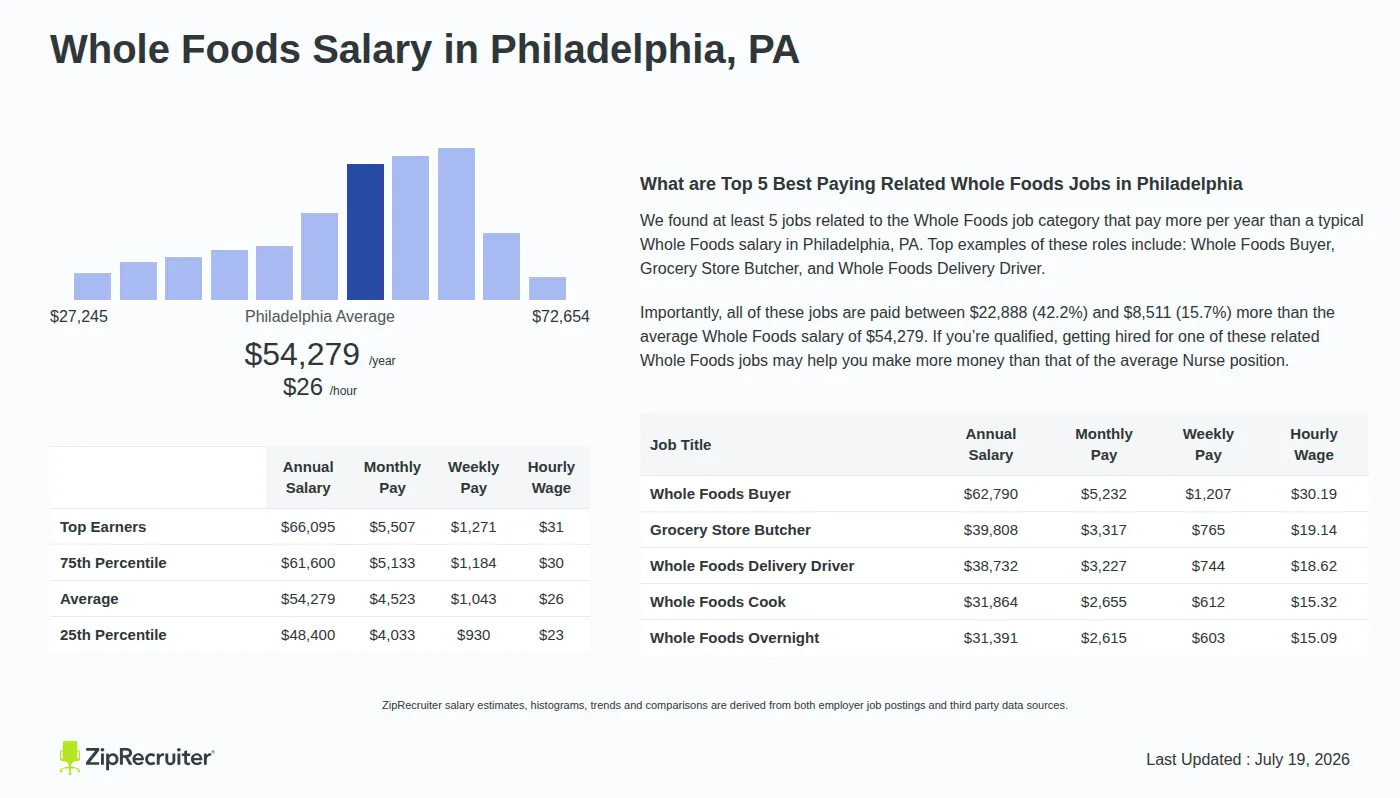
Some labor-focused coverage also pointed to higher wages as a core demand, including a starting pay level above $16 an hour. That detail fits the larger picture the organizing page presents: workers were not only asking for recognition, but for a wage floor that better reflected the job’s demands and the cost of living around it.
What this means for Whole Foods workers now
For team members across the chain, the Philadelphia campaign shows how quickly workplace frustration can turn into organizing when workers feel the culture no longer matches the job. Pay, healthcare, staffing and respect are not separate complaints here; they are the conditions that shaped whether workers believed change was possible inside the store.
It also raises the stakes for management. A company that markets itself around food, values and team culture now has a visible union foothold inside its own stores, and that changes how workers elsewhere may judge their own options. The Philadelphia vote did not settle Whole Foods’ labor questions, but it made one thing plain: when the gap between brand promise and daily work gets wide enough, employees will try to close it themselves.
This article was produced by Prism’s automated news system from verified source data, official records, and press releases, then run through automated quality and moderation checks before publishing. The system is built and supervised by the people who set the standards it runs under. Read our full AI policy.
Did this article answer your question?