Whole Foods workers weigh union push over pay and benefits
The Philadelphia union win turned Whole Foods' pay, health care and scheduling complaints into a real bargaining fight. The big question now is what changes reach the floor.
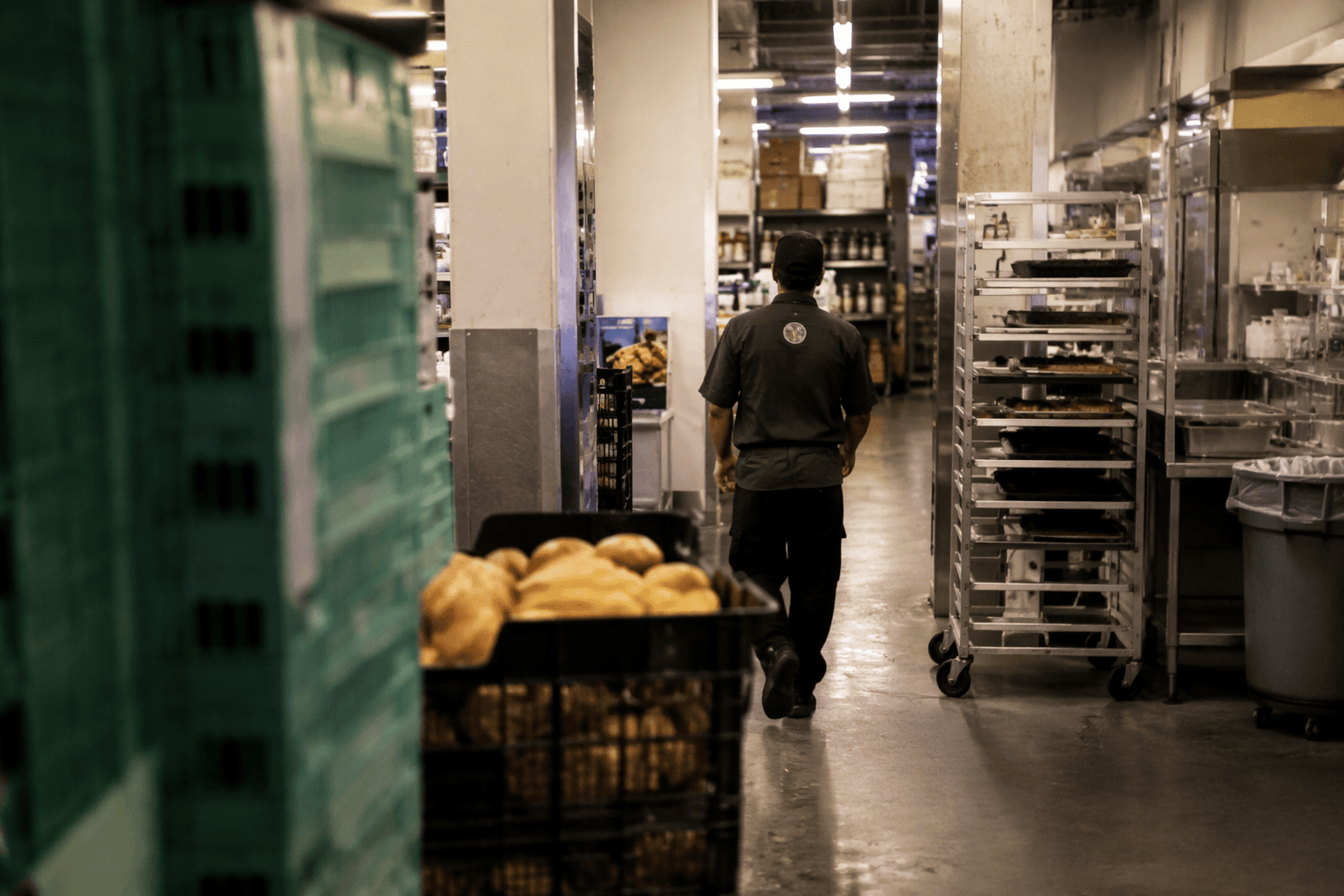
Whole Foods workers in Philadelphia turned a long-running frustration over pay, health coverage and scheduling into the chain’s first successful union vote under Amazon ownership. The Center City store’s 130-100 decision on Jan. 27, 2025, gave the United Food and Commercial Workers International Union a foothold inside a company that has spent years selling culture while operating under Amazon’s harder retail standards. For workers and store leaders alike, the real issue is practical: whether a union can change who gets enough hours, how staffing is set, and what happens when a shift goes off the rails.
Why the Philadelphia vote struck a nerve
Amazon bought Whole Foods Market in 2017 for $13.7 billion, and the 2019 decision to cut medical benefits for about 1,900 part-time employees, less than 2% of the workforce, fed the argument that the company’s promises were not keeping pace with the job. Those workers were under 30 hours a week, which is exactly the kind of threshold that makes retail benefits fragile and scheduling valuable. When a company can alter coverage for a small slice of the labor force, employees on the floor see how quickly “competitive benefits” can become a moving target.
That backdrop helps explain why Whole Foods Workers United has focused its message on basics rather than ideology. The group says workers at Amazon-owned Whole Foods “often can’t afford groceries for ourselves and our families” and says too many employees do not have access to affordable health care and other basic benefits. In the same organizing vein, workers have pointed to changes in profit sharing and day-to-day operations after Amazon’s takeover as part of the reason the union drive took hold. The complaint is not abstract: it is about paying rent, buying food, and making a week’s schedule work without constant scrambling.
What a union could actually change on a store floor
The most immediate changes workers typically pursue in a retail contract are not glamorous. They are things like more predictable schedules, clearer staffing minimums, and a formal process for handling disputes when someone is written up, denied hours, or asked to cover too much at once. At a Whole Foods store, that can mean whether the cashier line is staffed when the lunch rush hits, whether produce has enough people to open on time, or whether the dairy case gets covered when one person calls out.
Scheduling is usually where the daily frustration shows up first. Whole Foods Workers United has already put “fair scheduling” at the center of the campaign, alongside fair pay and affordable health care. In practice, that could mean set notice before schedules change, limits on clopening, and rules that stop managers from filling holes by simply asking the same reliable people to carry the burden every week. For team members, the difference is simple: a schedule that can be planned around versus one that changes after school pickups, second jobs, or transit have already been arranged.
Staffing levels and safety escalation are just as concrete. When a store is running thin, a wet-floor spill, a broken cooler, or an injured worker can become a customer-service problem and a safety problem at the same time. A union contract could require a faster escalation path, more documentation, and clearer authority for line workers to flag hazards without waiting for management to decide whether it is urgent enough. That is where “respect on the job” becomes operational rather than symbolic, because the person stocking shelves or covering prepared foods knows whether the room is actually safe.
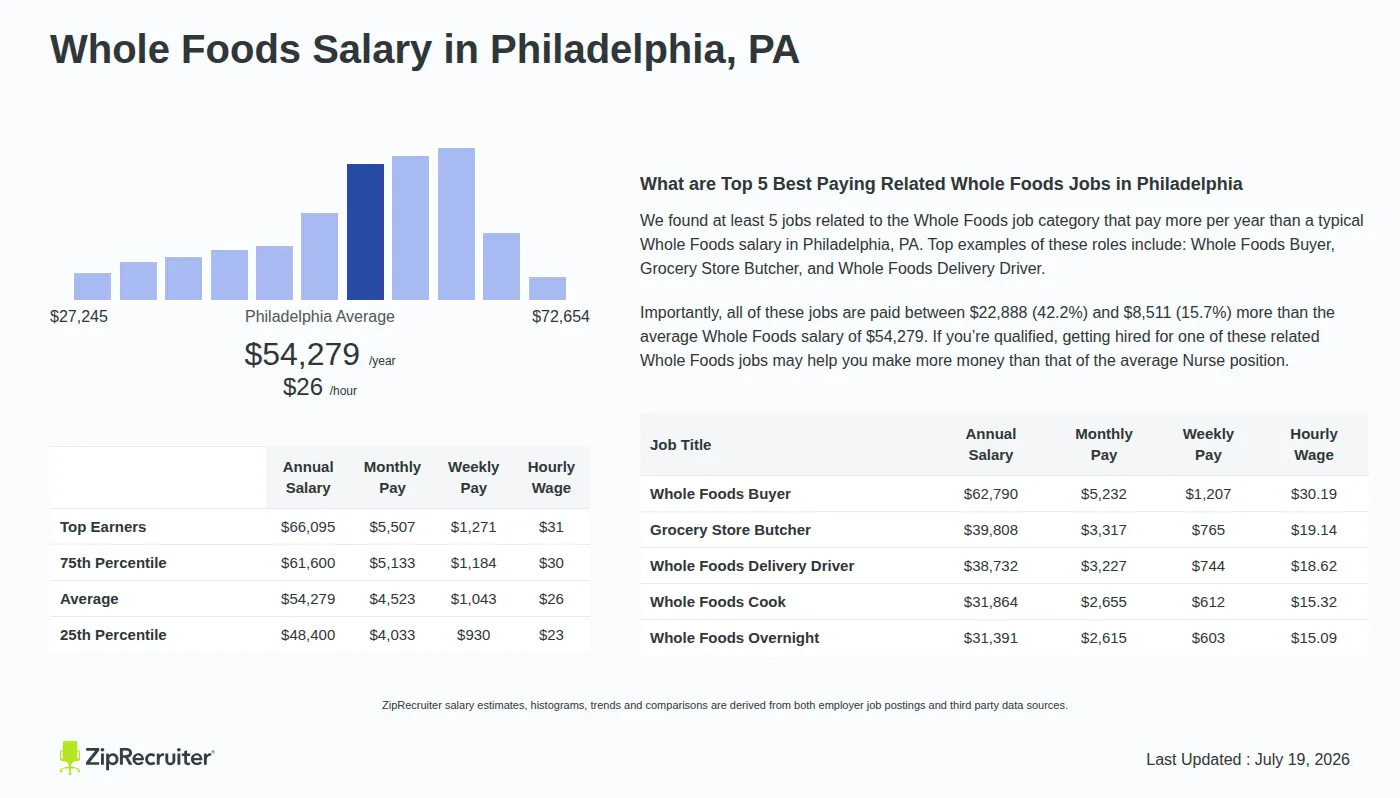
Pay progression is the other major lever. Workers organizing at Whole Foods are not only asking for higher starting wages, they are asking for a path that makes experience count. A negotiated wage ladder can tie raises to tenure, job classification, or certification instead of leaving pay growth to ad hoc manager discretion. That matters in a chain where Amazon integration has raised worker expectations on one side and intensified pressure on the other, because people compare what they earn with what they are asked to do every shift.
What the NLRB fight showed
The Philadelphia election did not end with the vote count. The National Labor Relations Board oversaw the election, and Whole Foods challenged the result before the board. In June 2026, the board rejected the company’s objections, clearing another hurdle for the Center City workers who had already voted 130-100 to join the UFCW. That sequence matters because it shows how a union drive can move from a store vote into months of legal and procedural fight, even after workers have already made their choice.
The Philadelphia store also became a benchmark case for other union drives at Amazon-owned Whole Foods locations. That makes the election about more than one downtown Philadelphia site. It gives workers elsewhere a concrete example of what an organizing win looks like, and it gives managers a warning about the issues most likely to keep resurfacing: pay, benefits, scheduling, and workload. Once one store proves the model can work, the conversation spreads.
What Whole Foods says, and what still has to happen
Whole Foods said it was disappointed by the Philadelphia result and said it offers competitive compensation and great benefits. That is the company’s familiar line, and it is exactly the kind of statement workers tend to test against their own experience with hours, health coverage, and day-to-day workload. The gap between branding and the floor is what pushed the Center City store into an election in the first place.
The workers who organized there said they believed a union was the better way to get a collective voice. That is the underlying issue for anyone on the sales floor, in produce, in dairy, at customer service, or on a closing shift: whether problems get handled person by person, or whether they become enforceable standards. For Whole Foods workers, the Philadelphia vote turned that question from theory into precedent.
This article was produced by Prism’s automated news system from verified source data, official records, and press releases, then run through automated quality and moderation checks before publishing. The system is built and supervised by the people who set the standards it runs under. Read our full AI policy.
Did this article answer your question?