2026 Bridal Fashion Embraces Multiple Looks, Texture, Color and Personal Style
The smartest wedding wardrobe for 2026 is built in layers: one clear anchor, then a ceremony look, a reception switch, and an after-party reset that still feels like one story.
The new bridal formula: one wedding, three looks
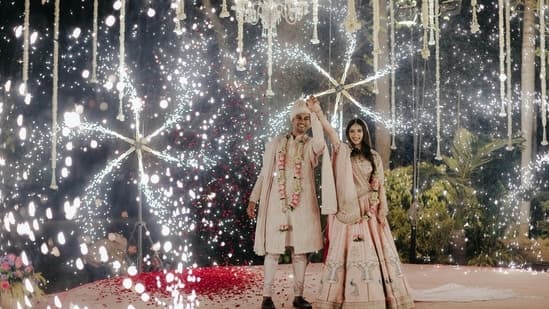
The biggest shift in bridal fashion is not a single dress. It is a strategy. Brides are building a ceremony look, a reception look and an after-party look that all speak the same style language, so the day feels edited instead of overworked. The trick is cohesion: keep one strong anchor, then let the volume, fabric, color or accessories evolve as the night gets looser.
That is exactly where the 2026 mood is heading. The Knot says Gen Z couples are bringing less tradition and more boldness than Millennials, with weddings planned as highly individualized experiences. Translation: the old idea of one formal outfit carrying the whole day is fading fast, replaced by wardrobe planning that moves with the event.
Start with an anchor, not a costume change
If you are trying to build multiple looks without blowing the budget, start with one element that stays consistent. It could be a silhouette, a fabric family, a neckline, a veil edge or a jewelry tone. That anchor keeps the ceremony, reception and after-party from feeling like three separate personalities fighting each other.
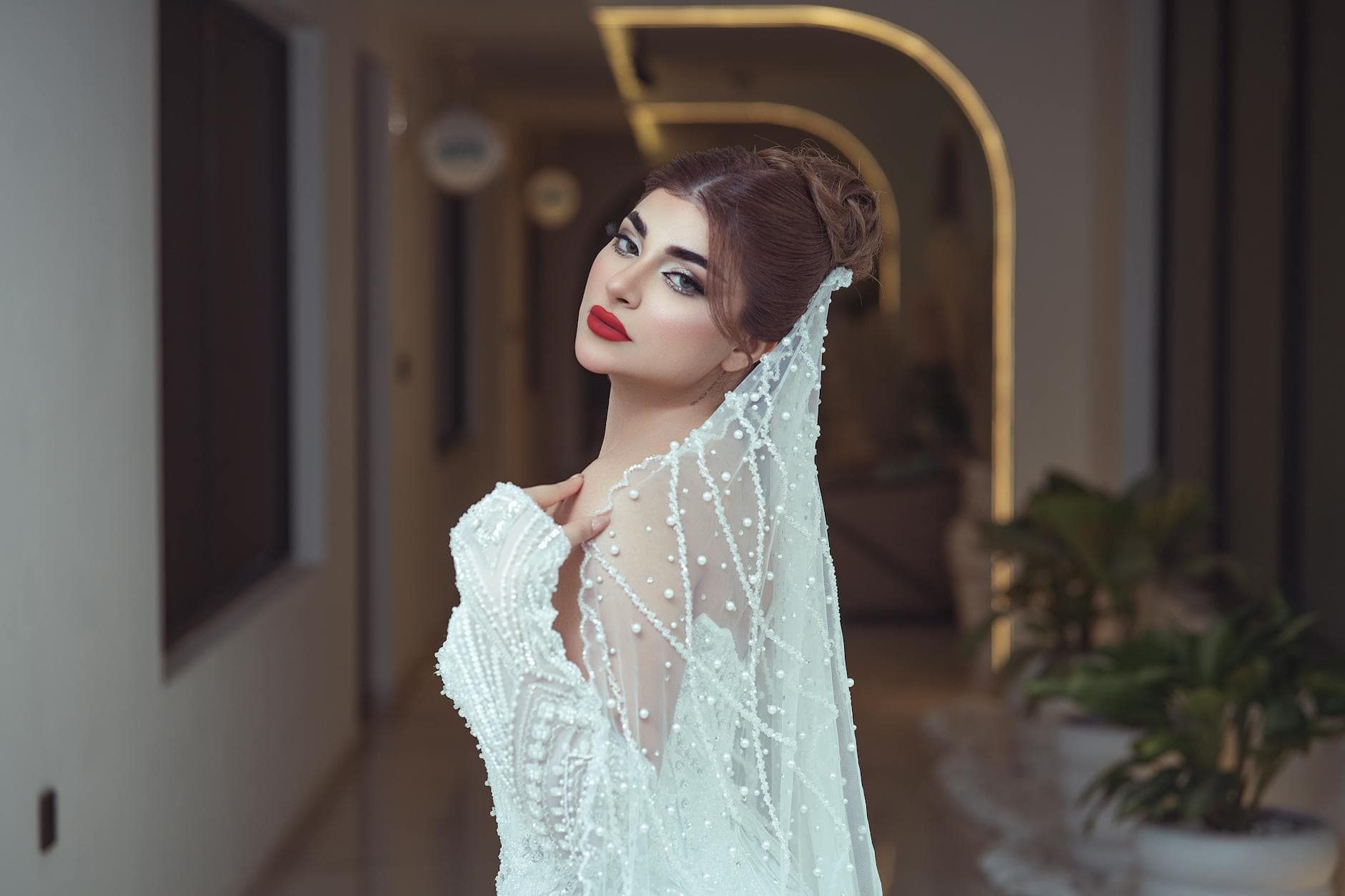
The smartest approach is to spend on the piece that photographs hardest and carries the most visual weight, then make the other moments lighter and easier to move in. A structured bodice can stay, while a skirt shortens. A dramatic veil can disappear after dinner. A pair of shoes can shift from satin pumps to something lower and more danceable without breaking the story.
Ceremony: lean into texture, structure and the first impression
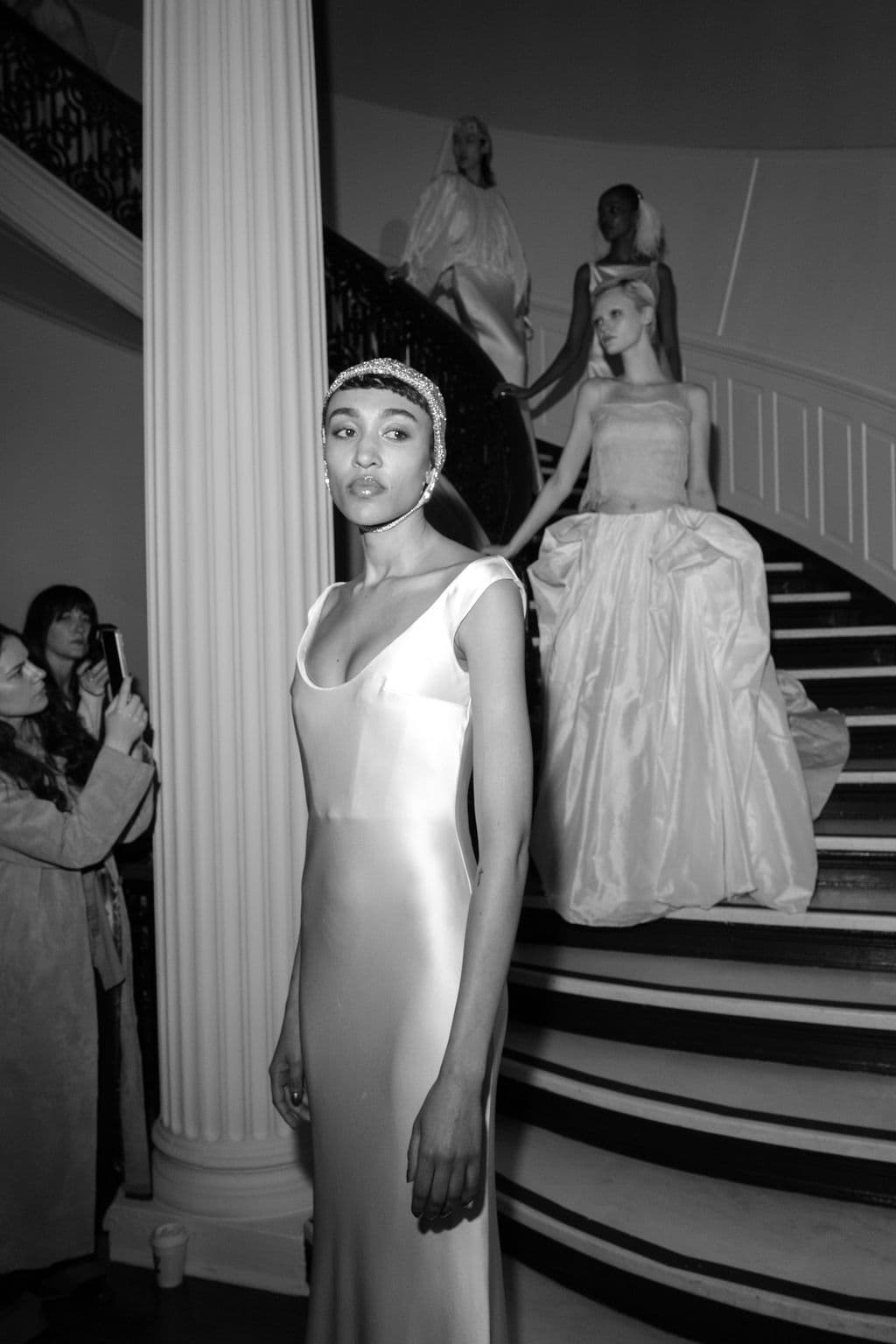
The ceremony is still the moment for the strongest line. The Knot’s editors, who attend New York Bridal Fashion Week twice a year, flagged recurring 2026 runway themes that matter here: satin, tulle, unexpected layering, couture sewing techniques, luxe fabrics and sculpted silhouettes. That combination tells you exactly what the ceremony look wants to do: look polished from a distance, then reveal craft up close.
Designers shaping that direction include Hayley Paige, Monique Lhuillier, Justin Alexander, Renhue, Idan Cohen and Esé Azénabor. Their influence points to dresses that are not simply pretty, but engineered. Think clean architecture with softened edges, or a fitted shape interrupted by a layer of tulle that catches light in motion.
Cultural fashion is also moving more subtly into bridal design. Instead of obvious costume references, the trend is toward artisan-inspired textures and silhouettes that nod to traditional garments. That is the part that gives a ceremony look emotional depth without making it feel heavy-handed.
Reception: soften the fabric, loosen the silhouette, keep the shine
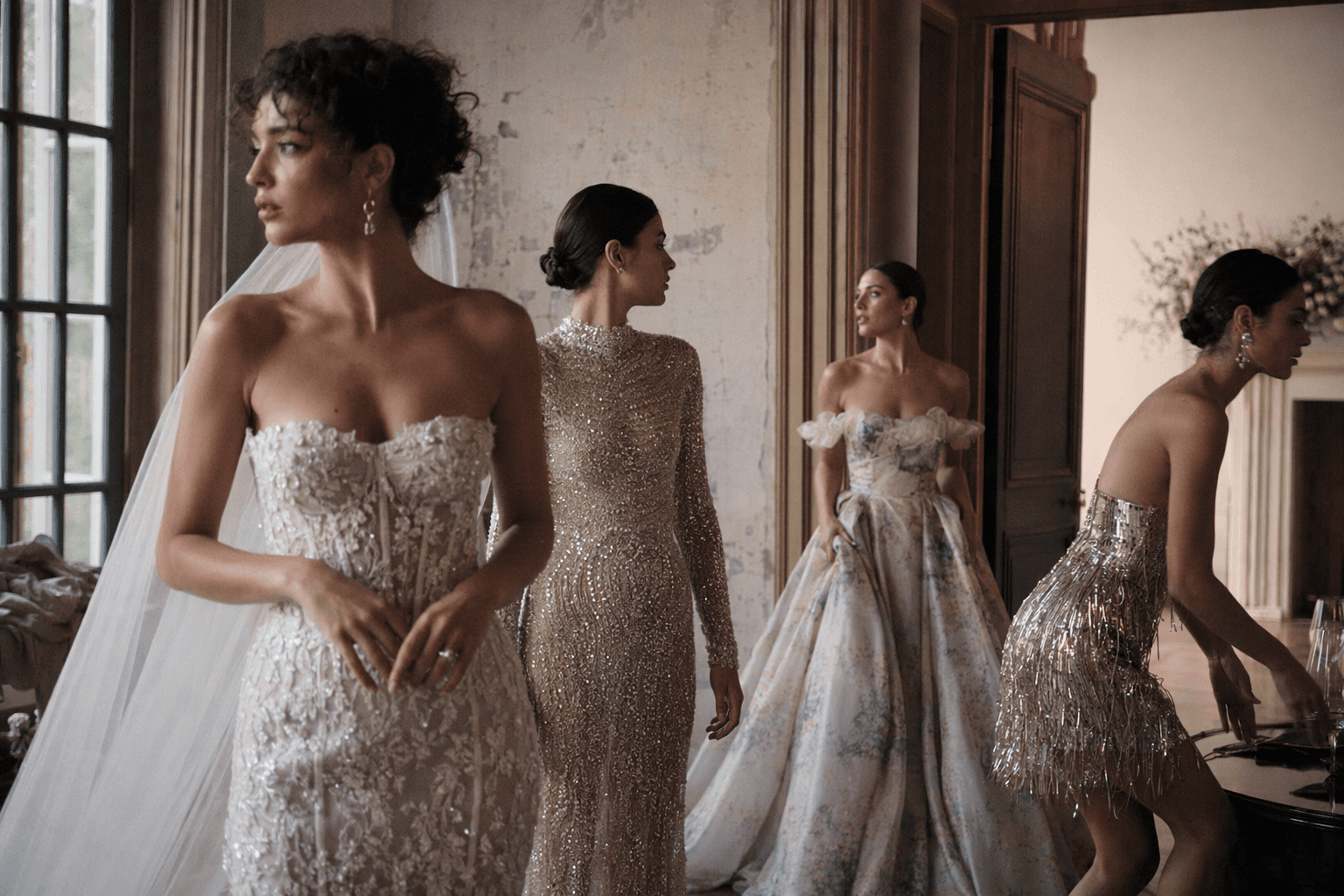
The reception is where the wardrobe should start breathing. If the ceremony look is about presence, the reception look is about endurance. Lighter fabrics matter here because they move better, photograph better under warm indoor lighting and stop you from looking weighed down halfway through the meal.
This is where softer color choices make sense too. The Knot’s 2026 color forecast points to fine art-inspired tones, interior-design-adjacent shades and rich pinks. Those tones work especially well once the sun goes down, when stark white can read harsh in flash photography and over air-conditioned ballrooms. A blush satin, a pale stone hue or a color touched with rose can feel more expensive on camera than bright optic white.
The goal is not a total reinvention. It is a controlled release. You can keep the same neckline or same embellishment story, then swap a floor-length skirt for a slimmer column, remove a train, or trade a heavily embellished layer for something smoother and easier to move in.
After-party: the point is movement, not formality
The after-party is where the bridal wardrobe finally gets to have fun. This is the moment for shorter hems, lighter construction and pieces that let you actually dance without managing your outfit every five minutes. If the ceremony was about precision and the reception was about polish, the after-party is about speed and air.
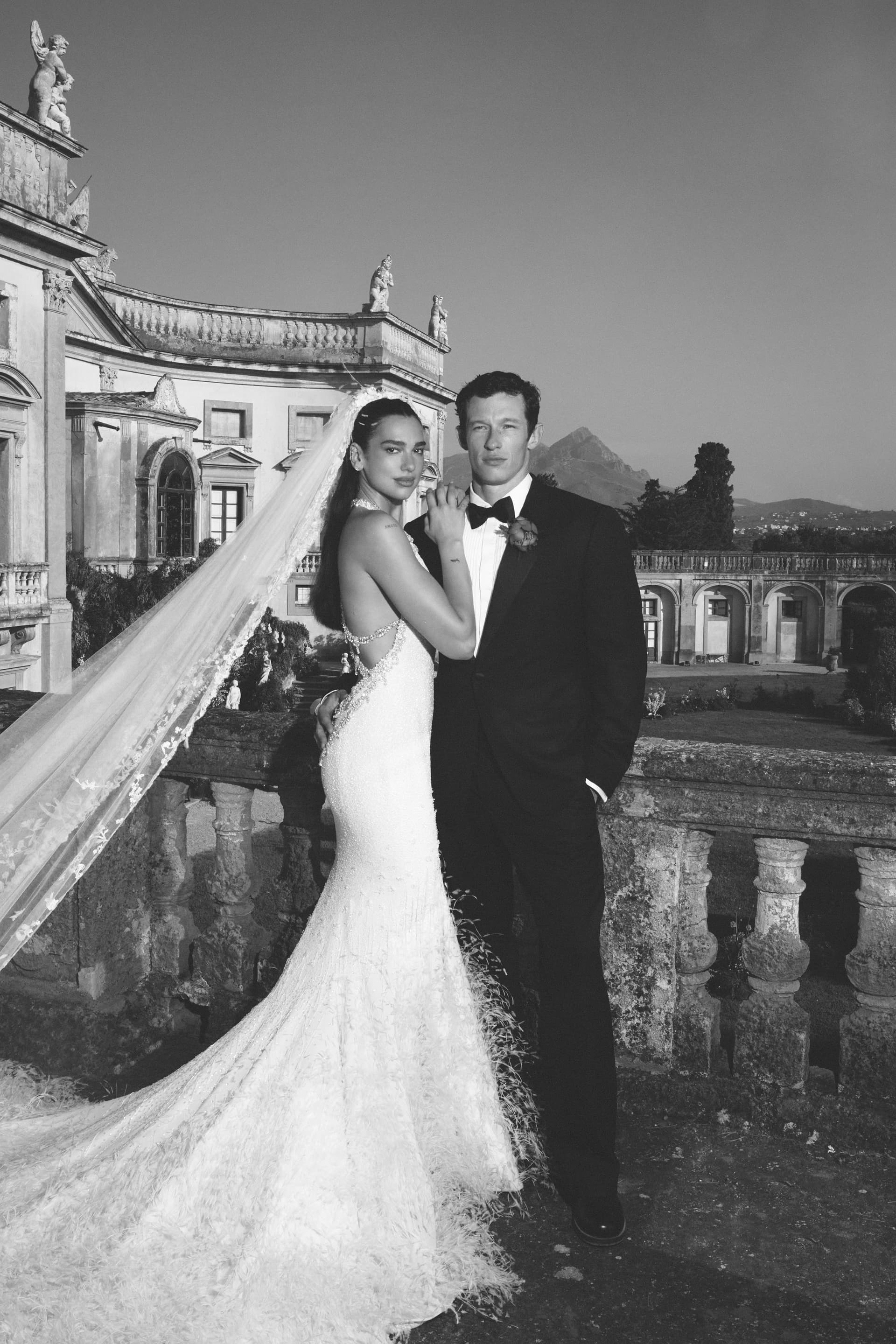
A bridal mini, a detachable overskirt, a clean slip dress or a second-look top with a sharper, sexier attitude can work as long as one element still ties back to the original look. That could be the same fabric family, the same pearl tone, the same floral detail or even the same shoe. The visual thread matters more than strict sameness.
Groom style is no longer background noise
The groom side of the equation has gotten much better. The Knot’s suit guidance says black is no longer the only serious option. Navy, gray, brown and burgundy all have a place now, and that matters because the groom’s look can either sharpen the couple’s overall palette or flatten it.
Accessories are where the real personality comes in. Andrew Weitz, founder and CEO of The Weitz Effect, says location and dress code should guide the details. For traditional black-tie weddings, he says a bow tie, cuff links and either a boutonniere or pocket square are nonnegotiable. That is useful because it keeps the look intentional instead of merely expensive.
The move toward colored suiting also fits the broader bridal shift toward shareability and visual impact. A brown suit against a soft pink palette, or a burgundy suit in a richly textured room, adds dimension to the photos and gives the couple a more editorial finish without forcing the bride to carry all the style tension.
How to spend without looking scaled back
The easiest way to overspend is to treat every look like a separate event. The smarter move is to build one core wardrobe and let each piece do double duty.
- Choose one expensive hero element, such as a veil, a bodice, or a sharply tailored suit jacket.
- Repeat one material family, like satin or tulle, across more than one look.
- Keep jewelry and metallic tones consistent from ceremony through after-party.
- Use color shifts gradually, from white or ivory into softer shades or richer pinks.
- Save the most delicate embellishment for the moment that will be photographed most closely.
That approach works because wedding-dress production is not instant. Fabric sourcing, stitching and beading take time, which is why the runway in 2025 is already shaping what reaches salons in 2026. Planning ahead lets you edit intelligently instead of panic-buying three different identities.
The final read on 2026 bridal style
What makes this moment interesting is that it is not about more for the sake of more. It is about control, mood and memory. Brides are using texture, color and accessories to move through the day with more ease, while grooms are finally getting styling options that feel like style, not default settings.
The result is a bridal wardrobe that looks richer because it is more considered. One strong anchor, a few smart changes and a better feel for fabric, color and comfort can turn a wedding day into a sequence of looks that all belong to the same story.
This article was produced by Prism’s automated news system from verified source data, official records, and press releases, then run through automated quality and moderation checks before publishing. The system is built and supervised by the people who set the standards it runs under. Read our full AI policy.
Did this article answer your question?