Bridal Veils Explained, Length, Fabric, Embellishment and Cost Choices
The wrong veil can throw off the whole look. Start with dress shape, then compare length, fabric, embellishment and budget before you spend.

**The veil is not a finishing touch. It is the piece that can quietly redraw your silhouette, change the formality of the dress, and decide whether the whole look reads polished or overworked.** That is why the smartest veil choice starts with one practical question: how do you avoid paying for the wrong one? The answer is to match length, fabric, embellishment and cost to the gown you are actually wearing, not the fantasy version in your head.
The Knot’s veil guide, which draws on advice from Sandra Morales of Ofrenda Studio, treats veil choice as a styling decision with real visual consequences. Morales’ framing is useful because it moves the veil out of the “extra” category and into the same conversation as neckline, train and hemline. That approach also fits the moment. Who What Wear counted “editorial veils” among 2024 bridal trends, which is a reminder that veils are no longer just tradition; they are part of the fashion language of the aisle.
Why veil choice matters now
A veil can sharpen a minimalist dress or soften a heavily decorated one, and that balance is where so many brides either win or overspend. The Metropolitan Museum of Art’s collection includes a wedding veil from the first quarter of the 19th century and another dated circa 1875, proof that this accessory has always carried more weight than people assume. Its roots go back even further, to Ancient Rome, where the bridal flammeum was associated with protection from evil spirits. The symbolism has changed, but the effect is the same: a veil still signals ceremony, intention and a little bit of theatre.
Start with length, because length changes the whole mood
If you want the fastest way to narrow the field, start here. Length is the first thing guests notice from the back of the aisle, and it is the easiest way to control formality.
Shorter veils for ease and movement
BridalGuide notes that birdcage veils are usually less than 20 inches long, which makes them the most compact and fashion-forward option in the mix. It also describes face veils as short, single-layer styles, usually made of netting, and elbow-length veils as about two feet long. These shorter styles work well when the dress already has a strong point of view, such as a statement neckline, a sculptural bodice or enough detail that the veil should not compete.
They are also the practical answer for brides who want less weight, less bulk and less fuss once the ceremony ends. If you want the veil to frame the face without trailing behind you, this is the lane to stay in.
Sweep and chapel lengths for classic balance
BridalGuide says the terms sweep veil and chapel veil are sometimes used interchangeably, but they do not behave quite the same way. Sweep veils often just brush the ground, while chapel veils extend a few inches onto the floor. That small difference matters because it changes how much movement the veil has as you walk, turn and photograph.
These mid-length options are the sweet spot for brides who want softness without the full sweep of cathedral drama. They tend to work especially well with gowns that already have a train, because they extend the line of the dress without overwhelming it.
Cathedral and royal lengths for maximum ceremony impact
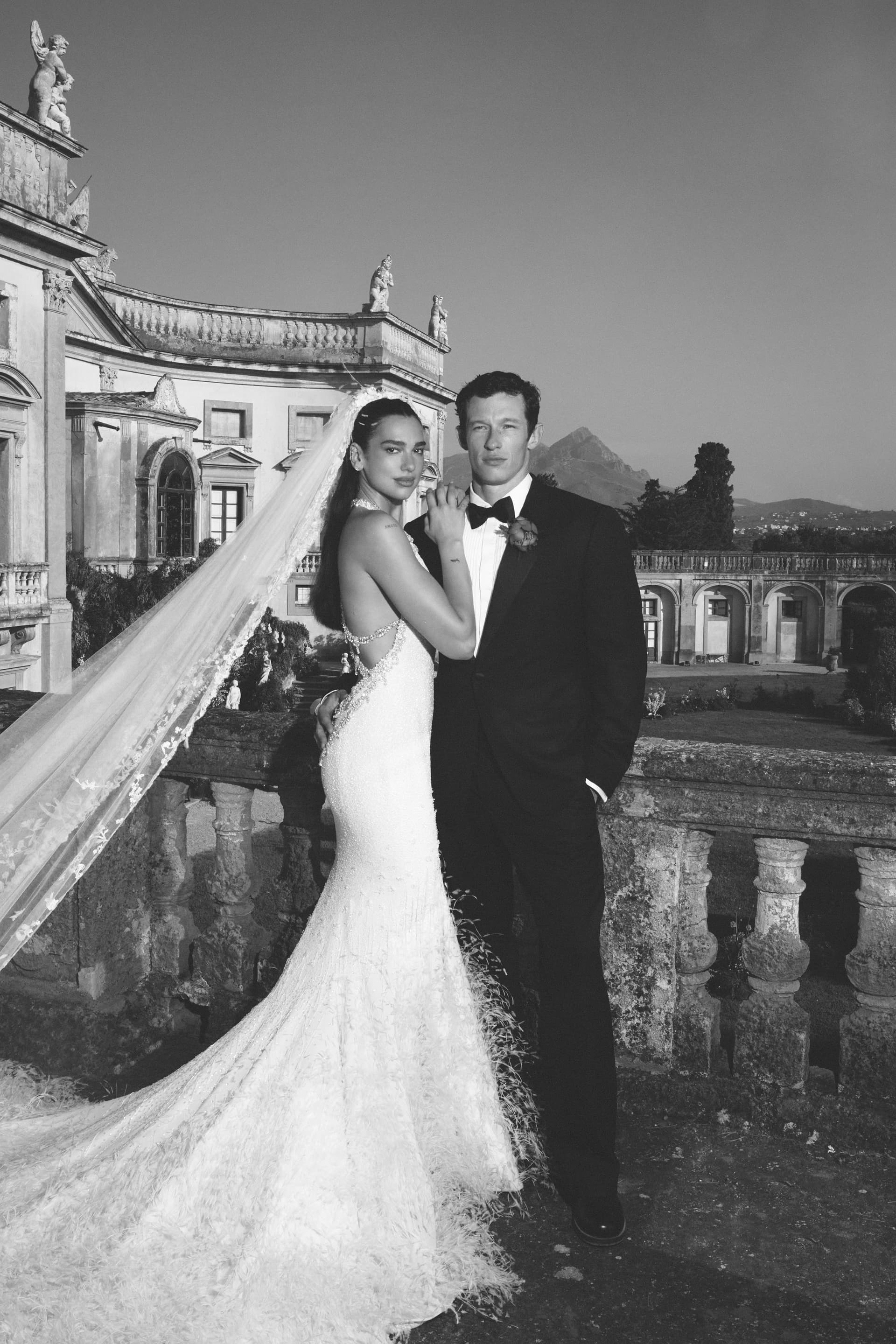
For brides who want the veil to feel like part of the architecture of the outfit, cathedral is the classic answer. The Knot says a cathedral veil is typically 95 to 120 inches long, and some bridal designers make “royal length” veils up to 144 inches. That is serious fabric, and it deserves a dress and venue that can support it.
These lengths look especially strong with minimalist gowns, because the veil supplies movement, volume and visible drama without needing heavy embellishment. In a grand venue, the long sweep becomes part of the ceremony’s visual language. In a more intimate setting, it can still work, but only if the bride wants the veil to be the statement.
Fabric and embellishment should follow the dress, not fight it
The most expensive mistake is not always buying too much veil. Sometimes it is buying too much detail. Simple veils let a gown with lace, beading, texture or embroidery stay in charge, while more embellished veils can bring life to a pared-back dress.
Think of it as a conversation between surfaces. If the gown already has floral appliqués, a dramatic lace edge can feel redundant. If the dress is sleek and unadorned, a veil with embroidery or scattered beadwork can add just enough light-catching movement to make the whole look feel considered. Netting keeps the face veil light and airy; lace, beading and embroidery push the veil toward heirloom territory.
- Detailed gown, simple veil.
- Minimal gown, more dramatic veil.
- Busy gown, cleaner edge.
- Clean gown, more texture in the veil.
A useful shortcut:
That is the most reliable way to keep the look intentional rather than overstyled.
What a veil should cost, and when the price is justified
Veil pricing is wide because construction is wide. Simple veils can start around $50 to $200, while more intricate styles with lace, beading or embroidery can run about $300 to $1,000 or more. One guide places the average veil cost at roughly $100 to $300, which is useful as a reality check for brides who are trying to stay balanced.
The higher prices usually make sense when the veil is carrying more material, more handwork, or a custom shape that needs to be cut and finished with precision. A plain, short veil should not cost like a couture accessory. A cathedral veil with heavy embellishment, on the other hand, is doing more labor visually and physically, so the price has a clearer rationale.
If budget is tight, spend where the veil will be seen most. A shorter style in clean netting can look elegant without eating into the rest of the bridal wardrobe. If the veil is part of the ceremony’s big reveal, that is the moment to spend on length and finish.
A simple compare framework for choosing the right one
Use this as your quick edit before you buy:
1. Match the dress shape first. If the gown is detailed, lean simple. If the gown is pared back, the veil can carry more drama.
2. Check the venue next. Grand interiors and formal aisles can handle cathedral or royal lengths. Smaller or busier spaces often work better with sweep, chapel, elbow or birdcage styles.
3. Decide how much movement you want. If you want an easy walk and a lighter feel, shorter lengths win. If you want the veil to trail and photograph with impact, go longer.
4. Set the budget by visibility. Spend more only when the veil is central to the look, not when it is going to disappear behind a heavily decorated dress.
The best veil is not the one with the most lace, the longest train or the highest price tag. It is the one that makes the dress look more like itself, only better, which is exactly why veil shopping deserves the same eye you would give to the gown.
This article was produced by Prism’s automated news system from verified source data, official records, and press releases, then run through automated quality and moderation checks before publishing. The system is built and supervised by the people who set the standards it runs under. Read our full AI policy.
Did this article answer your question?